
Beautiful Plants For Your Interior
Beautiful Plants For Your Interior
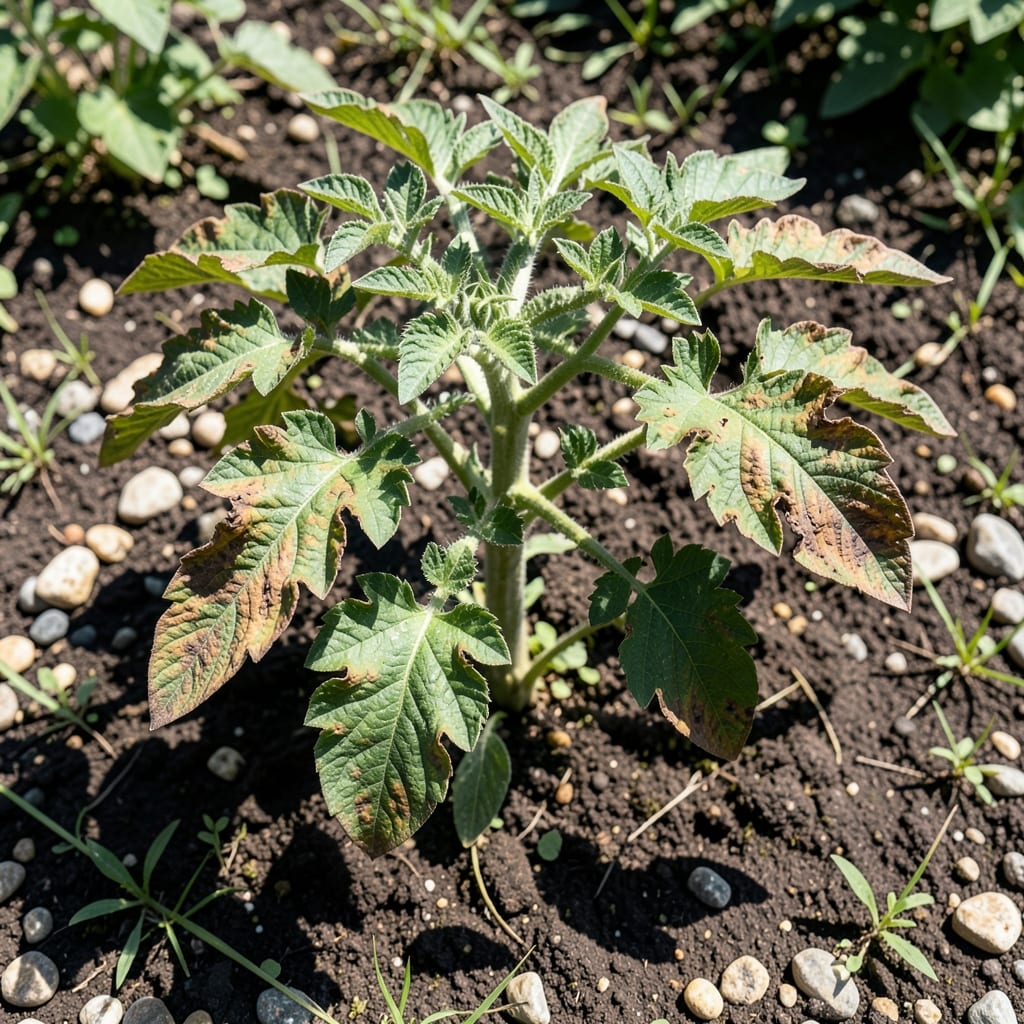
Crispy brown edges on leaves always hit me in the gut. I remember watching my prize azaleas develop those telltale scorched margins after a heat wave, wondering what went wrong.
Turns out most leaf burn comes down to three culprits: too much sun, not enough water, or the wrong kind of fertilizer. The solution is usually simpler than you think—just a matter of adjusting your care routine.
With the right approach, those affected plants often bounce back within 2-3 weeks. New growth replaces the damaged leaves, and you’re back to that lush green you love.
Works for everything from houseplants to garden perennials. Here’s how to fix it and keep it from happening again.
Several environmental and care-related factors can cause burned leaves on plants. Here are the most common culprits, explained with actionable insights:
Intense, direct sunlight can overwhelm a plant’s ability to photosynthesize efficiently, leading to solar scorching. This is especially true for shade-loving species suddenly moved into full sun. The excess light increases chlorophyll breakdown, causing brown, crispy patches, often on the upper leaves first.
Excess soluble salts in chemical fertilizers draw moisture out of roots, dehydrating the plant. This results in leaf tip burn or marginal necrosis. Organic fertilizers are less likely to cause this but can still harm plants if overapplied. Always follow label instructions and flush soil with water if burn is suspected.
High ambient temperatures—especially above 90°F (32°C)—disrupt cellular function. Plants lose water faster than they can absorb it, leading to desiccation and leaf scorch. Container plants are particularly vulnerable. Mulching and providing afternoon shade can mitigate this.
Indoor plants in air-conditioned or heated spaces often suffer from low humidity. Dry air pulls moisture from leaves, causing edges to brown and crisp. Tropical plants like ferns and calatheas are most at risk. Grouping plants or using a humidifier restores balance.
Herbicides, pesticides, or even foliar sprays applied in high concentrations can chemically burn leaves. Symptoms include yellowing, spotting, or uniform browning. Always test sprays on a small area first and apply during cooler parts of the day to reduce evaporation and uptake.
When your plants show signs of leaf burn, quick and targeted action can help them recover. Below are practical solutions mapped to common causes, along with prevention tips to keep your greenery thriving.
Fix: Move the plant to a spot with indirect sunlight or provide shade during peak hours (10 AM–4 PM). Use sheer curtains or shade cloth for indoor plants near bright windows. Trim severely damaged leaves to redirect energy to healthy growth.
Prevent: Gradually acclimate plants to brighter conditions over 1–2 weeks. Group sensitive plants under taller, hardier varieties for natural shade.
Fix: Flush the soil with water to leach out excess salts—run water through the pot for 2–3 minutes or until it drains freely. Pause fertilizing for 4–6 weeks. If the burn is severe, repot the plant in fresh, well-draining soil.
Prevent: Always dilute fertilizers to half-strength. Apply only during the growing season (spring/summer) and follow package instructions.
Fix: Relocate plants to a cooler area (e.g., away from heaters, vents, or hot pavement). Mist leaves with water in the early morning to cool them down. For outdoor plants, mulch the base to retain moisture and regulate soil temperature.
Prevent: Monitor weather forecasts and move potted plants indoors or to shaded areas during heatwaves. Use thermal blankets for sensitive outdoor plants overnight if temperatures drop suddenly.
Fix: For underwatered plants, soak the soil until water drains from the bottom. For overwatered plants, let the soil dry out completely before watering again. Trim blackened, mushy leaves to prevent rot.
Prevent: Check soil moisture 1–2 inches down before watering—only water if it feels dry. Use pots with drainage holes and saucers to avoid soggy roots.
Pro Tip 💡: Regularly inspect leaves for early signs of browning or crisping. Catching issues early makes revival much easier!
No, damaged leaves won’t heal, but the plant can grow new ones. Focus on fixing the cause and trimming severely burned foliage to redirect energy.
Sunburn appears on upper leaves facing direct light, while fertilizer burn shows as crispy tips or edges, often on lower leaves first.
Move it to shade immediately and mist leaves with cool water. For potted plants, relocate to a cooler spot for 2-3 hours.
Only trim leaves that are over 50% damaged. Removing too many at once stresses the plant further.