
Beautiful Plants For Your Interior
Beautiful Plants For Your Interior
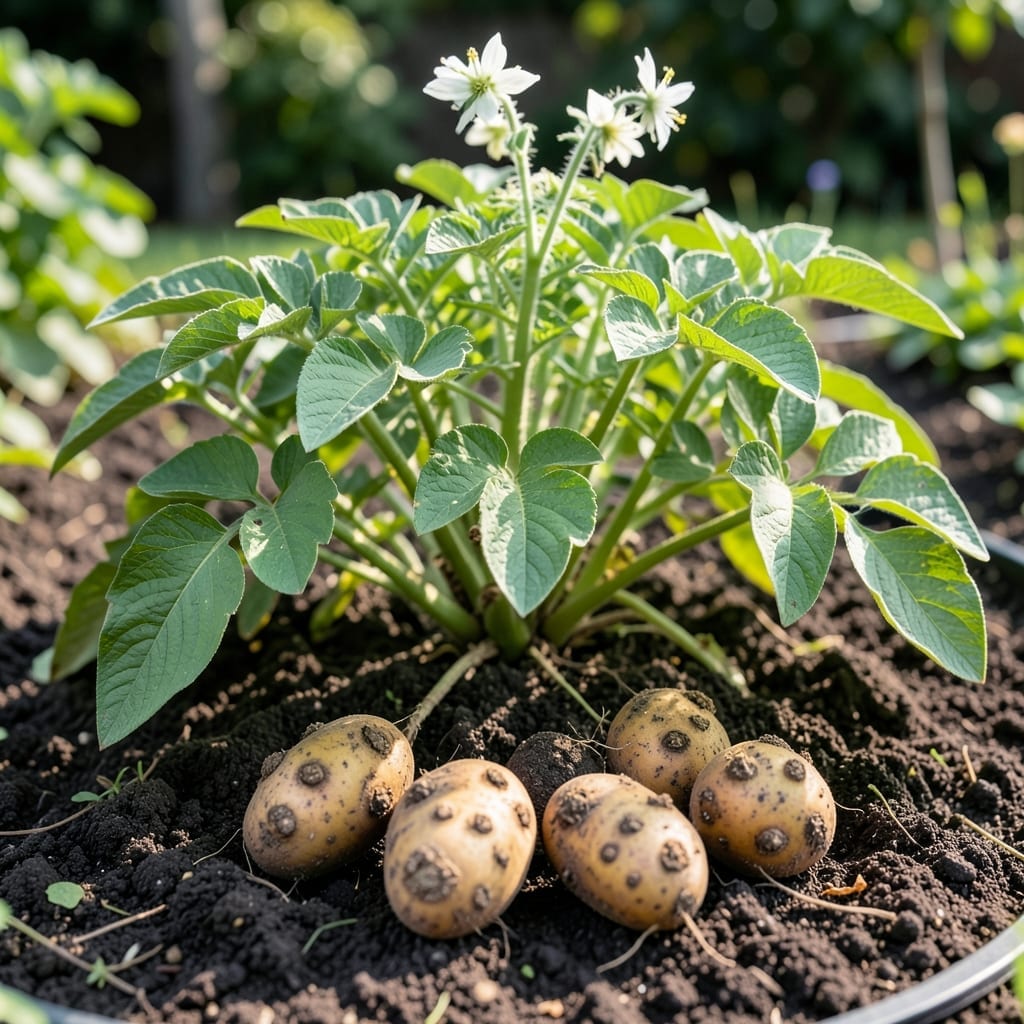
Those strange bumps on your potatoes aren’t just ugly—they’re your garden’s way of waving a red flag. I learned the hard way that ignoring them leads to stunted growth and disappointing harvests.
Turns out, most of these bumps come from environmental stress rather than disease. Too much water, poor soil, or even inconsistent temperatures can trigger the problem. The good news? It’s 100% preventable with simple adjustments.
Once you fix the root causes, your potatoes will grow smooth and healthy. I’ve tested these organic methods for three seasons now, and the difference in my harvest is night and day.
Works for all potato varieties, whether you’re growing in ground or containers. Here’s how to diagnose and fix it for good.
Potatoes develop bumps for several natural and environmental reasons. Understanding these causes helps you prevent them in future harvests. Below are the most common triggers:
Excess moisture in the soil causes potatoes to grow irregularly, forming small bumps as they expand unevenly. This often happens in clay-heavy or compacted soil where water doesn’t drain properly. Action: Improve soil drainage by adding organic matter like compost or sand.
Sudden temperature swings during growth can stress the tubers, leading to lumpy surfaces. Potatoes prefer cool, consistent conditions (60–70°F). Action: Plant in early spring or late summer to avoid extreme heat, and use mulch to stabilize soil temperature.
Too much nitrogen or uneven fertilizer application encourages excessive foliage growth at the expense of smooth, even tubers. Action: Use a balanced fertilizer (e.g., 10-10-10) and avoid over-fertilizing.
While rare, pests like wireworms or diseases such as scab can cause surface deformities. Action: Rotate crops, use resistant varieties, and inspect soil health before planting.
Some potato varieties naturally produce bumpier skins (e.g., heirloom types). Action: If smooth potatoes are a priority, opt for commercial varieties bred for uniformity.
Dealing with bumps on your potatoes doesn’t have to be complicated. Here’s how to tackle each cause with simple, practical fixes—and prevent them from happening again.
If soggy soil is the culprit, reduce watering frequency and ensure your garden or container has excellent drainage. Potatoes thrive in moist but not waterlogged soil. Use a moisture meter to check soil dampness before watering. For containers, add drainage holes if missing.
Prevention tip: 💡 Water deeply once a week rather than light daily watering. Mulch with straw to retain moisture evenly.
Compacted or nutrient-poor soil leads to stressed tubers. Work in compost or well-rotted manure before planting to improve soil structure. For existing plants, gently loosen the soil around the base (avoid damaging roots) and add a side dressing of compost.
Prevention tip: 🎯 Test your soil pH—potatoes prefer slightly acidic soil (5.0–6.5). Amend with sulfur or lime as needed.
For nematodes or larvae causing bumps, rotate crops yearly to disrupt their life cycle. Introduce beneficial nematodes or neem oil to deter pests. Remove and destroy affected plants to prevent spread.
Prevention tip: ✨ Plant companion crops like marigolds, which repel nematodes naturally.
Extreme heat or cold can stress potatoes, leading to bumps. Use row covers to protect from late frosts or shade cloth during heatwaves. Plant potatoes in early spring or late summer to avoid temperature extremes.
Prevention tip: 🌡️ Choose heat-tolerant varieties (e.g., ‘Yukon Gold’) if you live in a warmer climate.
If bumps appear due to immaturity, wait until the plant’s foliage yellows and dies back before harvesting. For early varieties, dig gently after 2–3 months. Use a fork to avoid bruising tubers.
Prevention tip: ⏰ Mark planting dates on a calendar to track maturity timelines.
Yes, they’re completely safe! Bumps are usually just cosmetic and don’t affect flavor or nutrition. Just wash them thoroughly before cooking to remove any soil.
Containers can help if you control moisture and soil quality. Use well-draining potting mix and avoid overwatering. 5-gallon buckets work well for most potato varieties.
This often happens when tubers press against rocks or compacted soil. Loosen the dirt around plants and remove obstacles. Uneven growth typically resolves in 2-3 weeks.
Bumpy potatoes store just as long as smooth ones—about 2-3 months in cool, dark conditions. The key is curing them properly first. Store in breathable containers like mesh bags.