
Beautiful Plants For Your Interior
Beautiful Plants For Your Interior
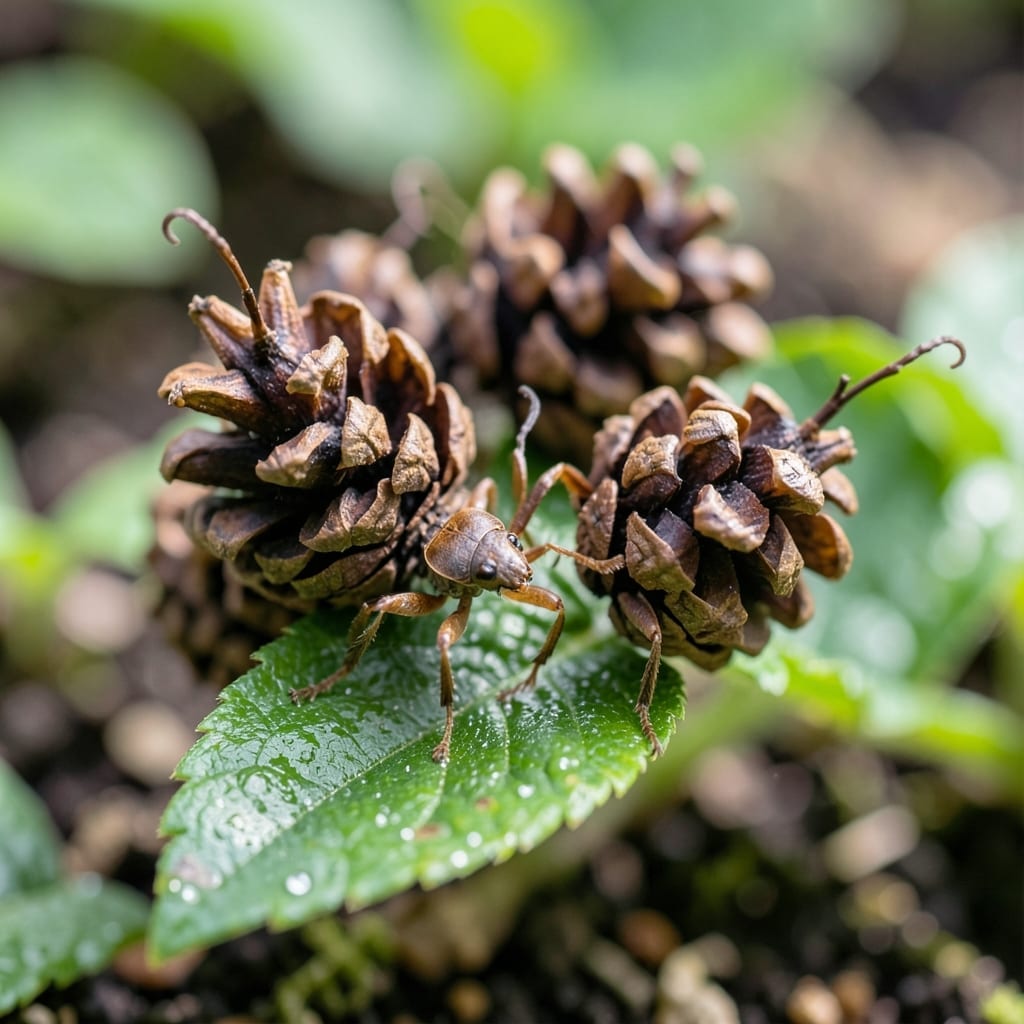
I almost missed them until the damage was done. These masters of disguise blend perfectly with pine needles and bark, making them nearly invisible to the untrained eye.
They’re not just hiding—they’re actively feeding on your plants while you think they’re part of the scenery. I’ve found them on conifers, shrubs, and even in mulch, and their camouflage is downright sneaky.
Left unchecked, they’ll weaken your plants, stunt growth, and leave behind sticky residue that attracts other pests. The good news? Once you know what to look for, spotting them becomes second nature.
Here’s how to identify them, assess the damage, and take action before they take over. No fancy tools required—just a sharp eye and a little know-how.
Nature’s most clever disguises often serve a critical purpose: survival. The bugs that mimic pine cones—like the bagworm moth larvae or pine cone scale insects—have evolved this appearance through a process called cryptic camouflage. Here’s why it happens:
Over millennia, insects that resembled their surroundings (such as pine cones, bark, or foliage) were less likely to be eaten by predators like birds or spiders. This natural selection favored traits that enhanced their resemblance to inedible objects. For example, bagworms construct silken cases covered in twigs and plant debris, blending seamlessly into coniferous trees.
Many of these insects thrive in pine-dominated ecosystems. By evolving to look like pine cones, they exploit their environment’s visual clutter. The pine cone scale, for instance, attaches itself to branches and secretes a waxy, cone-like shell, making it nearly invisible to both predators and gardeners.
Camouflage isn’t just about hiding—it’s also about deterring threats. Some bugs, like the lantern bug nymph, mimic pine cones to avoid being targeted. Their rigid, cone-shaped bodies and earthy tones signal to predators that they’re unappetizing or even toxic, a tactic known as Batesian mimicry.
Understanding these causes helps gardeners spot and manage these pests before they damage plants. Look for unusual “pine cones” that don’t fall off when touched—they might be bugs in disguise!
If you’ve spotted bugs that look like pine cones in your garden or home, don’t panic—here’s how to tackle the issue step by step. These pests, often pine cone bugs (scale insects) or bagworms, can be stubborn but are manageable with the right approach.
For small infestations, physically remove the pests. Use tweezers or a soft brush to gently pluck them off plants or surfaces. Drop them into a bucket of soapy water to ensure they don’t return. Pro tip: 💡 Wear gloves to avoid skin irritation.
Mix a teaspoon of mild dish soap with a liter of water and spray it directly onto the bugs. The soap breaks down their protective coating, causing them to dehydrate. Apply this in the early morning or late evening for best results.
Encourage beneficial insects like ladybugs or lacewings, which feed on scale insects. Plant nectar-rich flowers to attract them. For bagworms, introduce parasitic wasps, which target their eggs.
Horticultural oil or neem oil smothers pests and disrupts their life cycle. Spray it thoroughly on affected areas, especially under leaves where they hide. Reapply every 7–10 days until the infestation clears.
With consistency, these methods will keep your garden pest-free and thriving! 🌱
Bagworms and pine cone scale insects are the usual culprits. Bagworms build cone-shaped cases from silk and plant debris, while scale insects form hard, waxy shells that resemble miniature pine cones.
Yes, they feed on plant sap, weakening growth and causing yellowing leaves. Heavy infestations can kill branches or entire plants if untreated. Check for sticky residue or sooty mold as warning signs.
Encourage ladybugs and lacewings, which eat these pests. Prune affected branches and keep your garden free of debris where they might hide. Regular inspections help catch them early.