
Beautiful Plants For Your Interior
Beautiful Plants For Your Interior
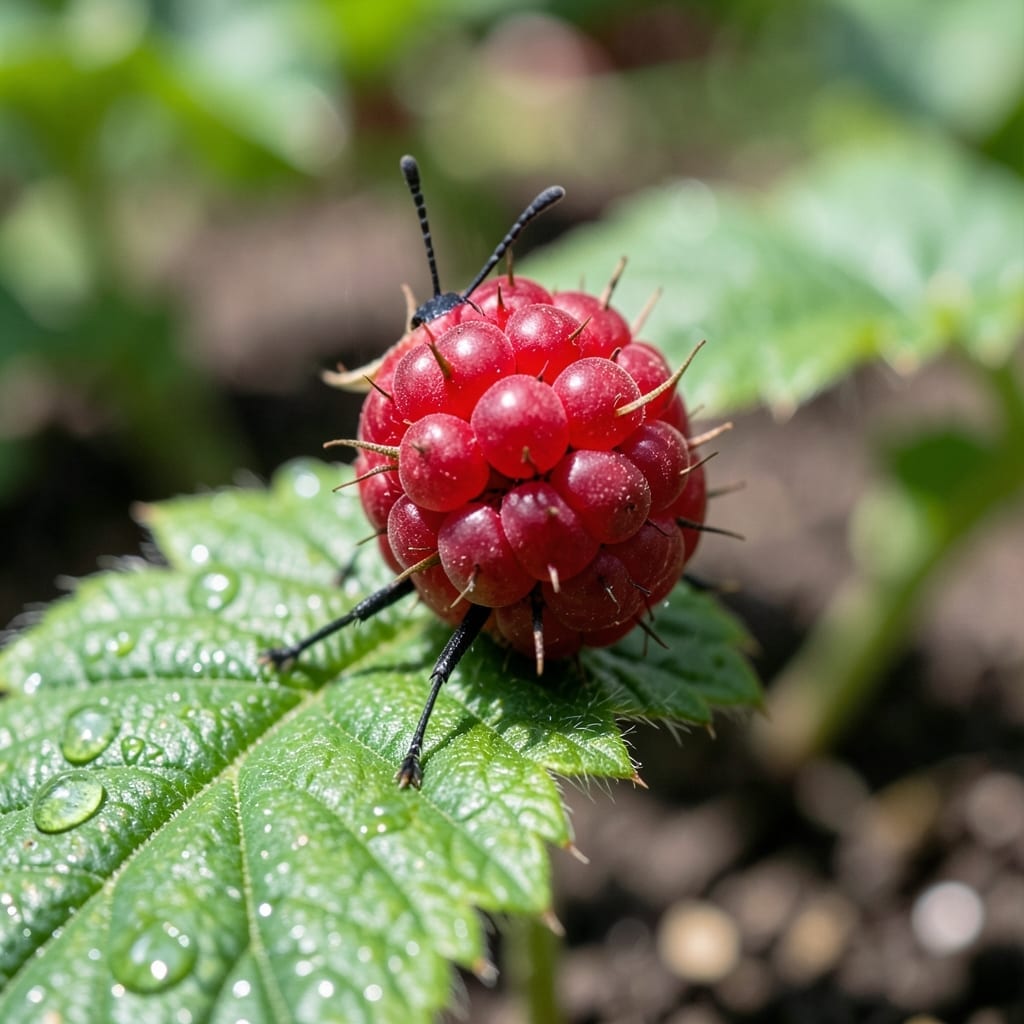
I spotted my first raspberry-like bug last summer on a rose bush. 🌿 Tiny, round, and shockingly similar to a berry, it had me doing a double take.
Turns out, these are often aphids or scale insects in their protective stages. They cling to stems, mimicking fruit to avoid predators. Most are harmless to plants, but some can weaken growth if left unchecked.
Here’s the thing—identification is key. Look for clusters on new growth or undersides of leaves. A magnifying glass helps spot their tiny legs or antennae.
Eco-friendly removal starts with a strong spray of water or insecticidal soap. No chemicals needed for these clever little mimics.
Nature’s clever disguises often serve a purpose, and the bug that looks like a raspberry is no exception. This striking resemblance is a survival strategy rooted in evolution. Here’s why it happens:
Many insects, like the raspberry bug (often a type of lantern bug or assassin bug), mimic fruits or seeds to avoid predators. Their vibrant red and black patterns resemble raspberries, blending into their environment. Predators, such as birds, may overlook them, mistaking them for inedible plant parts. This crypsis (camouflage) is a classic example of Batesian mimicry, where harmless species imitate unpalatable or toxic ones to deter attacks.
These bugs often live on or near raspberry plants or other berry-producing flora. Their appearance helps them stay hidden while they feed on sap, pollen, or smaller insects. The mimicry ensures they remain undetected by both predators and prey, allowing them to thrive in their niche. Some species even emit scents that enhance the deception, tricking predators into thinking they’re part of the plant.
Over generations, insects with traits that closely resemble raspberries had higher survival rates. Natural selection favored these individuals, as their appearance reduced predation. This adaptive evolution is why we see such precise mimicry today—it’s the result of millions of years of fine-tuning by nature itself.
If you’ve spotted a bug that looks like a raspberry in your garden, don’t panic! These tiny mimics are usually harmless, but their presence may signal underlying issues. Below are practical solutions tailored to common causes, along with prevention tips to keep your garden thriving.
Soggy soil attracts moisture-loving pests. To fix this:
💡 Prevention tip: Water early in the day to allow excess moisture to evaporate before evening.
Decaying leaves and fruit remnants can harbor pests. Here’s how to tackle it:
💡 Prevention tip: Use a thin layer of mulch (1-2 inches) to discourage pests without suffocating plants.
Encourage or introduce predators like ladybugs, lacewings, or parasitic wasps to keep pest populations in check:
💡 Prevention tip: Diversify your garden with native plants to create a balanced ecosystem.
Heat or humidity can stress plants, making them more susceptible to pests:
💡 Prevention tip: Monitor weather forecasts and adjust care routines proactively.
Most raspberry-mimicking bugs are harmless. Some, like aphids, may weaken plants if present in large numbers. Inspect for damage like curled leaves or stunted growth to determine if action is needed.
Look closely for tiny legs, antennae, or movement. A magnifying glass helps. True berries won’t have these features. They’re also usually softer to the touch than hard-shelled bugs.
Use a strong spray of water to dislodge them. For persistent cases, apply insecticidal soap at dawn or dusk. Always avoid chemical pesticides to protect beneficial insects.