
Beautiful Plants For Your Interior
Beautiful Plants For Your Interior
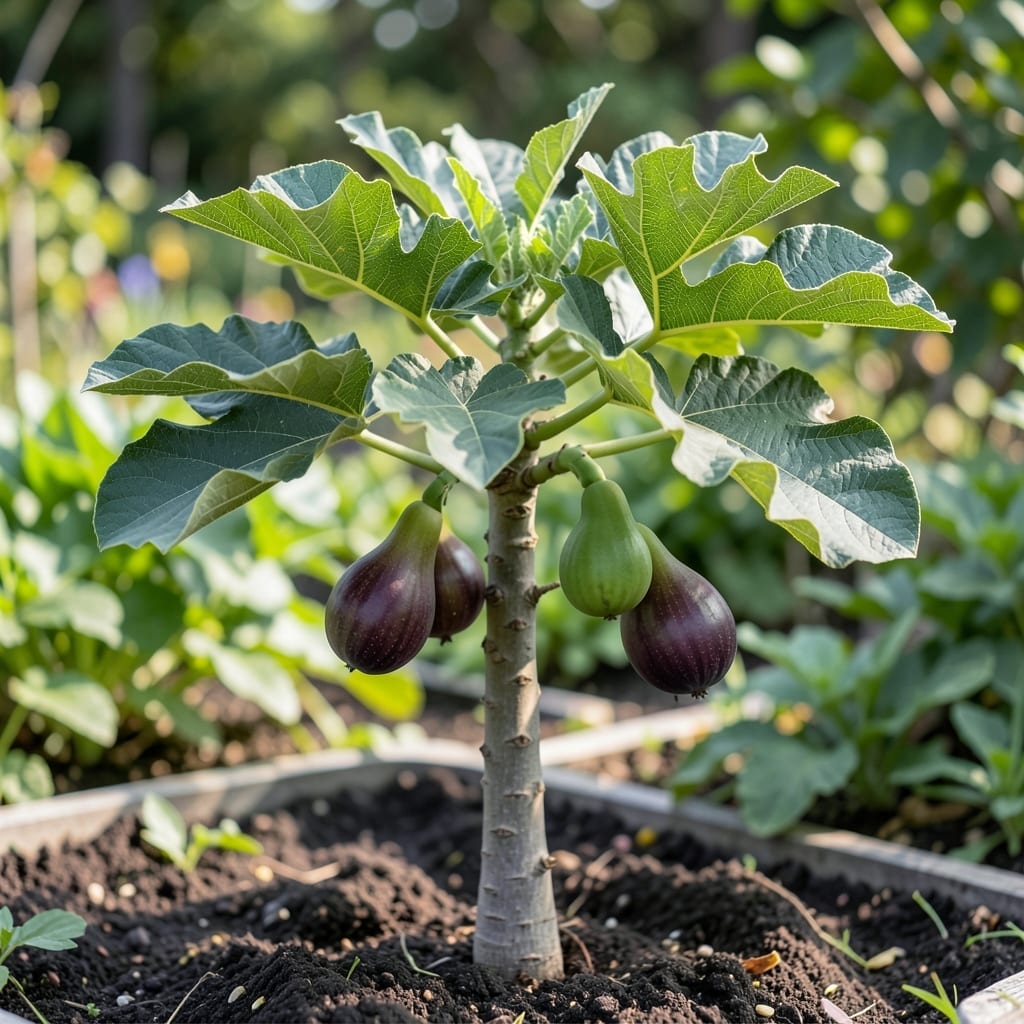
Brown Turkey fig trees tolerate temperatures down to 10-15°F and thrive in USDA zones 7-10. They can survive brief cold snaps but need winter protection in colder climates.
I’ve found these trees enter a dormant state when temperatures drop, which helps them conserve energy during cold spells. Their root systems are particularly resilient, often surviving even when above-ground growth suffers. For gardeners in borderline zones, strategic planting near south-facing walls can provide just enough extra warmth to make a difference. ✨
What’s fascinating is how quickly they bounce back in spring once the threat of frost passes. 💫
💡 In This Article
Brown Turkey figs have evolved a clever survival strategy called dormancy. As temperatures drop below 50°F, the tree slows its metabolism, redirecting energy from leaf growth to root preservation. This state is triggered by shorter daylight hours in fall, signaling the plant to prepare for winter.
The leaves may blacken and drop, but the wood and roots remain alive, storing carbohydrates for spring regrowth. 🔥
The root system is the tree’s secret weapon. While top growth may die back in extreme cold, roots can survive temperatures as low as 10-15°F when properly insulated by soil. In USDA zones 7-10, this adaptation allows the tree to rebound quickly once warmth returns.
The cambium layer—just beneath the bark—stays protected, ensuring new shoots emerge when conditions improve. ✨
What most don’t realize is how frost affects the tree’s vascular system. Ice crystals form in the xylem (water-conducting tissues), but the tree’s high sugar content in its sap acts as a natural antifreeze. This prevents cellular damage that would kill less hardy species.
Even in zone 6, with proper mulching, the roots often survive while the aboveground portions regrow from the base. 💫
The tree’s bark also plays a role. Mature Brown Turkey figs develop a thicker, corky bark that insulates the trunk against temperature swings. Young trees are more vulnerable, which is why their first 2-3 winters require extra protection.
This bark adaptation is why established specimens in zone 7 can handle sudden cold snaps better than newly planted ones. ⚡
For comparison, other fig varieties like Celeste or Chicago Hardy can survive slightly colder temperatures (-10°F), but Brown Turkey’s balance of cold tolerance and prolific fruiting makes it a favorite in marginal climates.
Its ability to produce fruit on both old and new wood means even if winter kills some branches, you’ll still get a harvest from the regrowth. 🌟
Mature trees can survive brief dips to 10-15°F, though their roots are hardier than the branches. In zone 7, they typically bounce back quickly after cold snaps.
In zones 6 or colder, yes. Wrap young trees in burlap and apply 4-6 inch mulch around the base. Potted trees should move to a sheltered spot above 20°F.
Wait until spring after the last frost. Pruning in winter can stimulate vulnerable new growth. This timing helps you see exactly which branches survived.
Chicago Hardy tolerates colder temps (-10°F), but Brown Turkey produces more fruit and recovers faster from dieback. Both are excellent for marginal climates.