
Beautiful Plants For Your Interior
Beautiful Plants For Your Interior
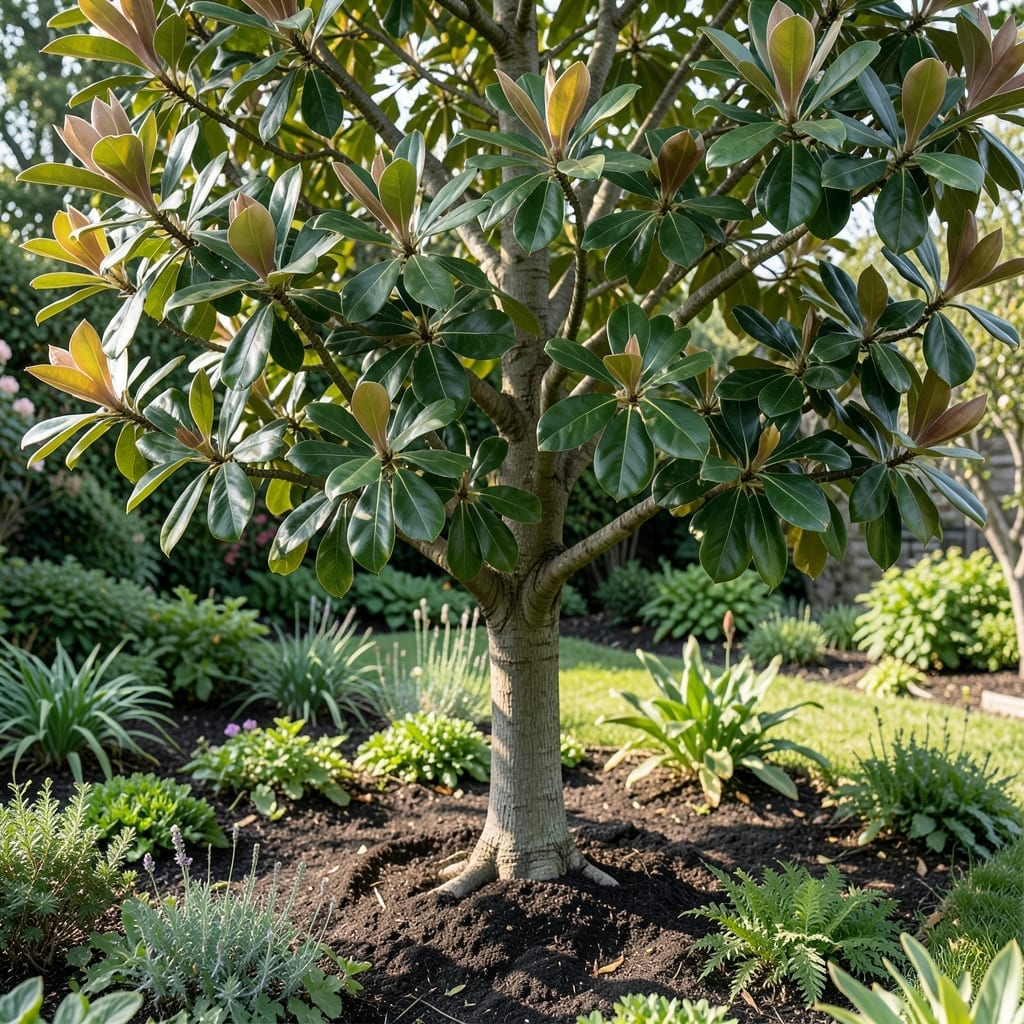
Those crispy brown tips on your magnolia leaves aren’t just unsightly—they’re a cry for help. I’ve seen this exact issue turn a stunning tree into a sad, stressed plant in just a few weeks.
Here’s the thing—it’s almost never just one problem. Usually, it’s a combo of dry soil, salty water, or even too much love from your sprinkler hitting the leaves. The good news? Most causes are fixable with a few simple tweaks.
Once you pinpoint the culprit, revival can happen surprisingly fast. I’ve watched new green growth replace those brown tips within 2-3 weeks of making the right adjustments.
No need for fancy equipment or expensive treatments. Just some observation and targeted care will bring your magnolia back to its glorious self.
Brown tips on magnolia leaves are a distress signal from your tree. Here are the most frequent culprits and the science behind them:
Magnolias thrive in consistently moist but well-drained soil. Too little water causes leaf edges to dry out and brown, as the tree prioritizes water for survival over foliage. Conversely, waterlogged roots suffocate due to oxygen deprivation, leading to root rot and impaired nutrient uptake, which manifests as browning leaf tips. Check soil moisture 2 inches deep—it should feel like a wrung-out sponge.
Extreme heat, cold drafts, or sudden temperature swings disrupt the tree’s transpiration process. Magnolias are sensitive to late frosts (especially in spring) and heatwaves above 90°F (32°C), which accelerate moisture loss. Windburn from dry, gusty conditions can also dehydrate leaf margins, turning them brown. Mulching (2–4 inches of organic matter) helps stabilize soil temperature and retain moisture.
Excess salts from fertilizers, de-icing agents, or tap water accumulate in the soil, drawing water out of the roots via osmosis. This causes salt toxicity, leading to scorched leaf tips. Similarly, overuse of herbicides or pesticides can chemically burn foliage. Flush the soil with distilled water to leach out salts, and avoid synthetic chemicals near the root zone.
Pathogens like Phytophthora or Anthracnose thrive in wet, poorly ventilated conditions. They attack leaves, blocking xylem vessels and disrupting water transport. Brown tips with yellow halos or irregular spots often indicate fungal activity. Improve airflow, remove infected leaves, and apply copper-based fungicides preventatively in humid seasons.
Lack of magnesium (interveinal chlorosis with brown tips) or potassium (scorched edges) impairs the tree’s ability to regulate water and synthesize proteins. A soil test can confirm deficiencies. Amend with Epsom salt (magnesium sulfate) or potassium-rich compost as needed.
Restoring your magnolia’s lush green leaves is simpler than you think. Below are targeted fixes for each common cause, along with prevention tips to keep brown tips at bay.
If dry soil is the culprit, water deeply 1-2 times per week, ensuring the root zone gets soaked. Apply a 2-3 inch layer of mulch (wood chips or bark) to retain moisture. Prevention tip: 💡 Stick your finger 2 inches into the soil—if it’s dry, it’s time to water.
Soggy roots lead to stress. Stop watering immediately and check the soil’s drainage. If the area stays wet, amend the soil with compost or sand to loosen it. For potted magnolias, ensure pots have drainage holes. Prevention tip: 🌡️ Use a moisture meter to avoid guesswork.
Excess salts from fertilizers or tap water can scorch leaf tips. Flush the soil with 4-6 inches of water to wash out buildup. Switch to distilled or rainwater for sensitive plants. Prevention tip: ✨ Fertilize lightly—magnolias thrive with minimal feeding.
Young or suddenly exposed magnolias may develop brown tips from intense sun. Erect a shade cloth (30-50% shade) during peak afternoon hours. Gradually acclimate the plant to full sun over weeks. Prevention tip: 🎯 Plant new magnolias in spots with dappled sunlight.
Remove affected leaves with clean shears to prevent spread. Apply a copper-based fungicide as directed. Improve airflow by thinning crowded branches. Prevention tip: 🌿 Avoid overhead watering to keep foliage dry.
Pro move: Always sterilize pruning tools with rubbing alcohol between cuts!
Water deeply 1-2 times per week, checking soil 2 inches deep. It should feel like a wrung-out sponge. Adjust for rain or extreme heat.
No, damaged tips won’t recover. Focus on fixing the cause—new growth will replace them in 2-3 weeks with proper care.
Use 2-3 inches of organic mulch like wood chips or bark. This retains moisture and stabilizes soil temperature.
Tap water can contain salts that cause browning. Use distilled or rainwater when possible, especially in sensitive plants.