
Beautiful Plants For Your Interior
Beautiful Plants For Your Interior
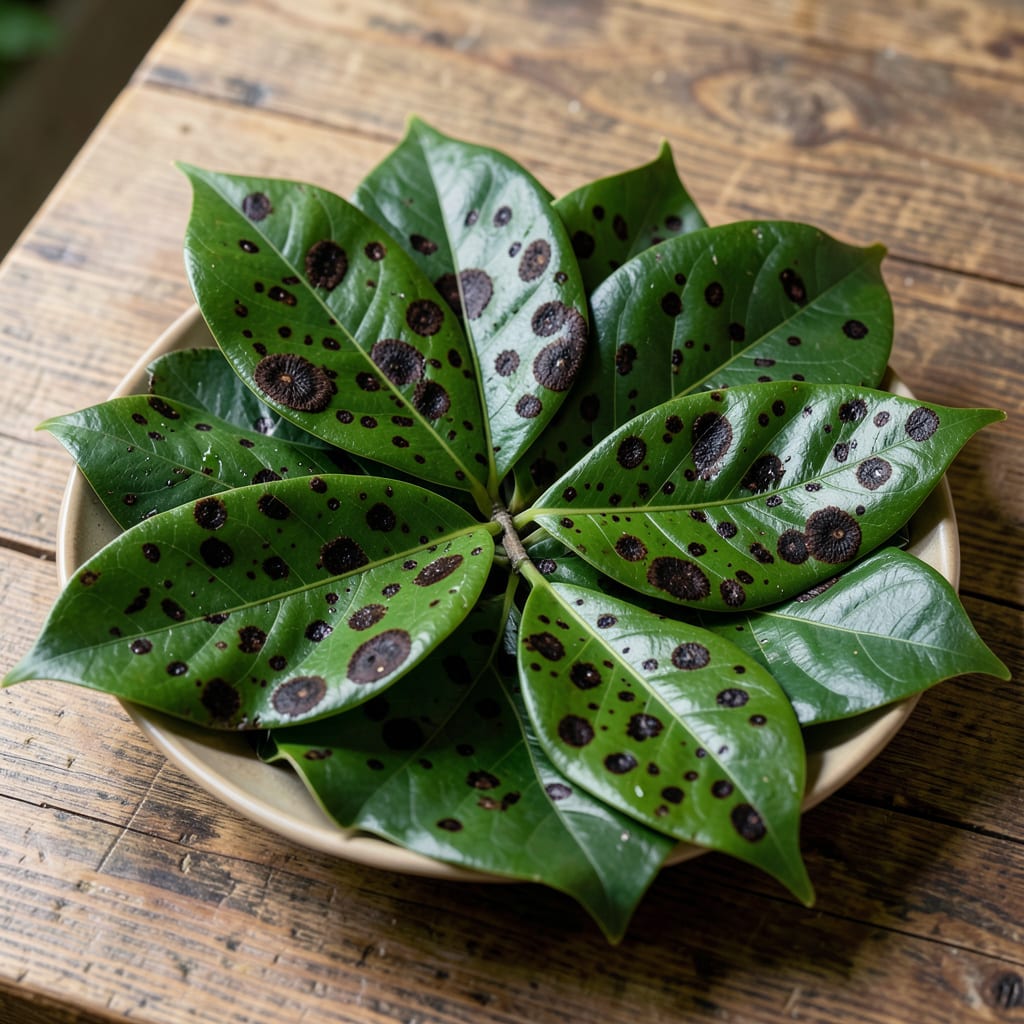
Those dark spots ruining your magnolia’s glossy leaves aren’t just unsightly—they’re a warning sign. I’ve battled the same issue in my garden, and the good news is it’s usually fixable with the right approach.
Most leaf spots come from fungal or bacterial infections that thrive in wet conditions. Overhead watering and poor air circulation are common culprits. The key is catching it early before it spreads to the rest of the tree.
With a few simple adjustments—like improving airflow and applying the right treatment—you can stop the damage in its tracks. Your magnolia will bounce back with healthy, spot-free leaves in no time.
Prevention is just as important as treatment, and I’ll show you how to keep your tree protected all season long.
Spots on magnolia leaves are often a sign of underlying issues, and understanding the causes is the first step to effective treatment. Below are the most common culprits behind this problem.
Fungal pathogens like Cercospora or Phyllosticta thrive in warm, humid conditions, leading to dark, irregular spots. These fungi spread via spores, often splashing from wet soil or neighboring plants. Overhead watering and poor air circulation exacerbate the issue.
Pseudomonas or Xanthomonas bacteria cause water-soaked, angular spots that may ooze or develop a yellow halo. These bacteria enter through wounds or stomata, often spread by rain, contaminated tools, or insects.
Insects like magnolia scale or aphids pierce leaf tissues, creating entry points for secondary infections. Their feeding can also cause stippling or discoloration, mimicking disease symptoms.
Extreme heat, drought, or nutrient deficiencies weaken the tree, making it susceptible to opportunistic pathogens. Poor soil drainage or compacted roots can also stress the magnolia, triggering leaf spot development.
Tackling spots on your magnolia leaves starts with identifying the cause and applying the right fix. Below are practical solutions for common issues, along with prevention tips to keep your tree healthy.
If the spots are brown or black with a fuzzy texture, a fungicide is your best bet. Start by pruning affected leaves and branches (disinfect tools between cuts!). Apply a copper-based fungicide or neem oil every 7–10 days until the issue clears. Prevention tip: Improve air circulation by thinning dense foliage and watering at the base to keep leaves dry.
Spots caused by pests like scale or aphids often appear as yellow or stippled areas. Spray leaves with insecticidal soap or horticultural oil, focusing on undersides where pests hide. For severe infestations, use a systemic insecticide. Prevention tip: Inspect leaves regularly and introduce beneficial insects like ladybugs to deter pests naturally.
Yellow or water-soaked spots may signal root stress from overwatering. Let the soil dry slightly between waterings and ensure your magnolia is planted in well-draining soil. If the tree is in a pot, check for drainage holes. Prevention tip: Mulch around the base to retain moisture without waterlogging, and avoid wetting the leaves during watering.
Sunburn or cold damage can cause dry, brown spots. Shield young trees with shade cloth during peak sun and wrap trunks in burlap before winter. Move potted magnolias to sheltered spots during extreme weather. Prevention tip: Plant magnolias in a location with dappled sunlight and protection from harsh winds.
Pro tip 💡: Always sterilize pruning tools with rubbing alcohol to avoid spreading disease between cuts!
Not always. While fungi often cause brown spots, they can also stem from bacterial infections, pest damage, or environmental stress like drought. Inspect the pattern and texture for clues.
With proper treatment, you may see improvement in 1-2 weeks. Fungicides and insecticides need time to work, so be patient and reapply as directed. Persistent spots may require a second treatment.
Yes! Improve air circulation, water at the base, and remove fallen leaves to reduce fungal spores. Introduce beneficial insects to control pests naturally.
