
Beautiful Plants For Your Interior
Beautiful Plants For Your Interior
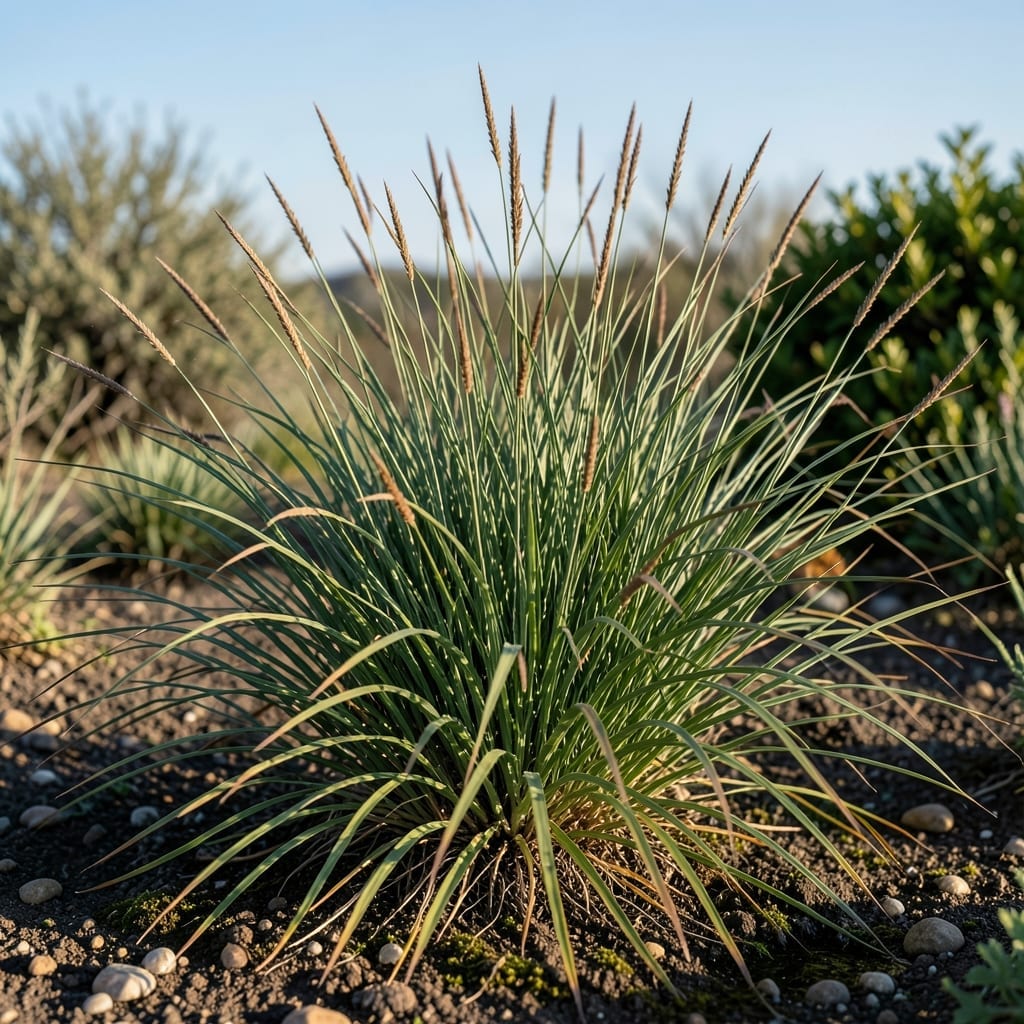
Those crispy brown tips on your Lomandra ‘Breeze’ aren’t a death sentence. I’ve nursed countless plants back from the brink with a few simple adjustments to water and soil.
Most cases boil down to 3 common issues: inconsistent moisture, salt buildup from tap water, or a sudden temperature swing. The fix is usually faster than you’d expect.
You’ll see fresh green growth returning within 2-3 weeks once you dial in the care. The key is catching it early before the damage spreads.
Works for container plants or in-ground specimens alike. Here’s exactly what to check first.
Brown tips on Lomandra longifolia ‘Breeze’ are a stress response, and pinpointing the cause is the first step to revival. Below are the most common culprits, explained with actionable insights.
Lomandra is drought-tolerant once established, but inconsistent moisture leads to tip burn. Overwatering suffocates roots, reducing oxygen uptake and causing root rot, which manifests as browning foliage. Underwatering, especially in extreme heat, triggers xylem cavitation—where air bubbles block water transport in the plant’s vascular system, starving the tips of hydration.
Fix: Water deeply but infrequently (1–2 times per week in summer, less in cooler months). Use a moisture meter to keep soil slightly dry between waterings.
Excess salts from fertilizers, tap water, or soil amendments accumulate in the root zone, drawing water out of the plant via osmosis. This causes necrosis (cell death) at the leaf tips, where water loss is most acute. Chlorine or fluoride in municipal water can also scorch sensitive foliage.
Fix: Flush the soil with distilled or rainwater every 2–3 months. Avoid high-salt fertilizers; opt for slow-release, low-nitrogen options (e.g., 5-3-3 NPK).
Extreme conditions—frost, heatwaves, or desiccating winds—disrupt the plant’s cuticular transpiration. The waxy leaf coating (cuticle) fails to retain moisture, leading to dehydration and browning. ‘Breeze’ tolerates heat better than cold; temperatures below 20°F (-7°C) can damage foliage irreparably.
Fix: Mulch heavily (2–3 inches) to insulate roots. In cold climates, plant in containers and overwinter indoors. Use windbreaks for exposed sites.
Pathogens like Phytophthora or Fusarium thrive in poorly drained soil, attacking roots and restricting nutrient flow. Symptoms include yellowing halos around brown tips or blackened, mushy stems. Bacterial leaf blight (Xanthomonas) causes water-soaked spots that turn crispy.
Fix: Improve drainage with perlite or coarse sand. Remove affected foliage and apply copper-based fungicide only if confirmed by a lab test.
Bring your Lomandra longifolia ‘Breeze’ back to its lush, green glory with these targeted fixes. Each solution addresses a specific cause, so start with the issue that matches your plant’s symptoms.
If the soil is bone-dry and tips are crispy, your plant is thirsty. Soak the root zone deeply once a week during dry spells, ensuring the water reaches at least 6 inches down. Use a moisture meter or your finger to check—if the top 2 inches are dry, it’s time to water. Prevention tip: 💡 Mulch around the base with organic matter to retain moisture and reduce evaporation.
Yellowing leaves with brown tips often signal soggy roots. Stop watering immediately and let the soil dry out. If the area stays waterlogged, improve drainage by mixing in perlite or coarse sand. For potted plants, ensure containers have drainage holes. Prevention tip: ✨ Water only when the top 1-2 inches of soil are dry, and avoid letting plants sit in saucers of water.
White crust on the soil or recent fertilizer use? Salt buildup or chemical burn may be the culprit. Flush the soil with slow, deep watering for 10–15 minutes to leach out excess salts. If using fertilizers, switch to a slow-release, low-salt option and follow the label’s recommended dose. Prevention tip: 🎯 Fertilize lightly in spring and fall, avoiding heavy applications in summer heat.
Ragged brown tips from foot traffic, pets, or harsh pruning won’t heal but can be tidied up. Use clean, sharp shears to trim only the damaged portions, cutting back to healthy green growth. To prevent future damage, create a small barrier or redirect foot traffic away from the plant. Prevention tip: 🌱 Prune in early spring to encourage new growth and always sterilize tools with rubbing alcohol between cuts.
No, once the tips have turned brown, that tissue is dead and won’t recover. Trim the damaged parts to encourage new, healthy growth. Focus on addressing the underlying cause to prevent further browning.
Water deeply 1-2 times per week in summer and reduce frequency in cooler months. Always check the top 2 inches of soil—if it’s dry, it’s time to water. Overwatering can be just as harmful as underwatering.
Tap water is usually fine, but if it’s high in salts or chlorine, it may cause browning over time. Use distilled or rainwater occasionally to flush out any buildup and prevent chemical burn.