
Beautiful Plants For Your Interior
Beautiful Plants For Your Interior
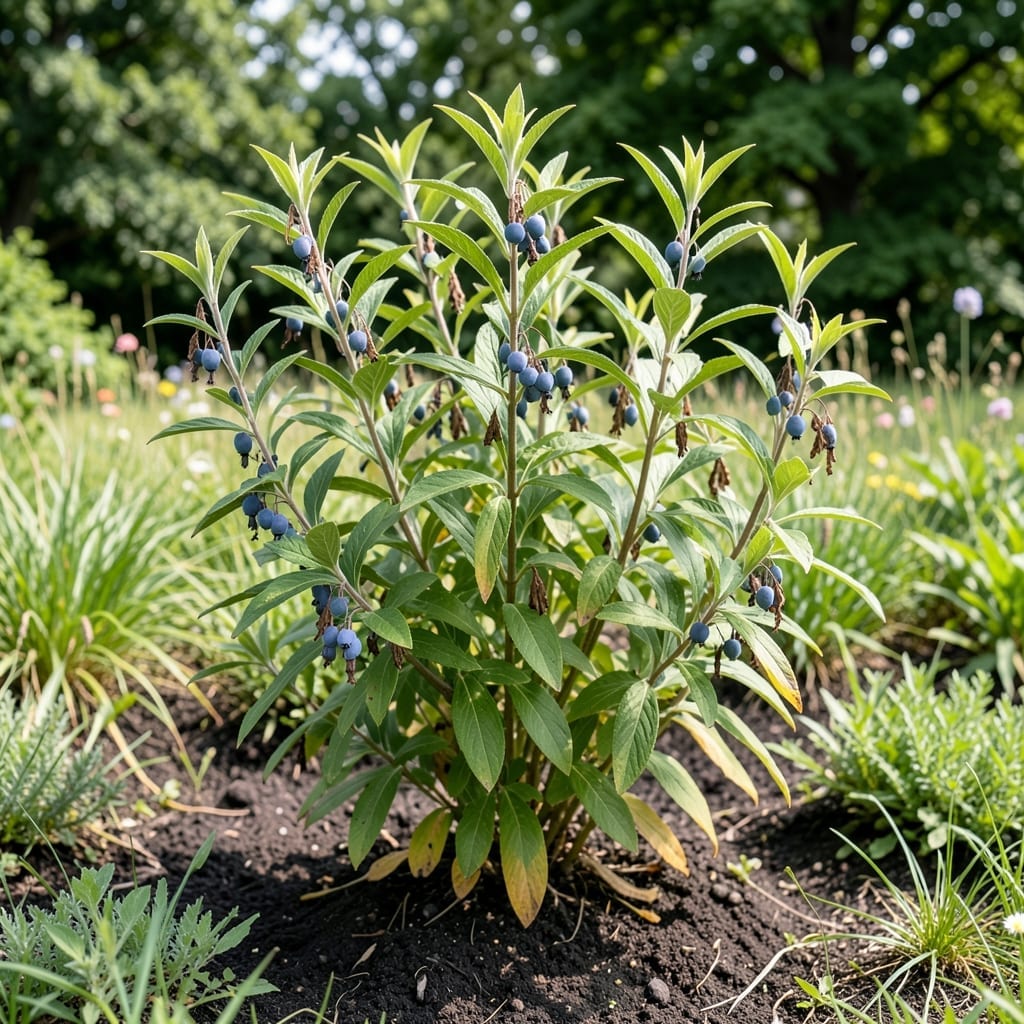
Brown tips on your haskap honeyberry aren’t a death sentence. I’ve seen this exact issue turn around in 2-3 weeks with the right adjustments, and the plants often come back stronger than before.
The culprit is usually environmental stress—too much or too little water, harsh sun, or a nutrient imbalance. Most gardeners overreact and overcorrect, but the fix is often simpler than you think.
You’ll notice new growth emerging in vibrant green once you address the root cause. The brown tips won’t heal, but the plant will push fresh leaves that look healthy and full.
Works for container plants and in-ground shrubs alike. Let’s diagnose and fix this together.
Brown tips on haskap honeyberry plants often signal underlying stress. Here are the most common causes, explained clearly so you can take action.
Haskap honeyberries are hardy, but rapid temperature fluctuations—especially late spring frosts or sudden heatwaves—can damage tender new growth. The plant’s vascular system struggles to keep up, leading to necrotic (browned) tips. This is common in regions with unpredictable climates.
Both drought stress and overwatering trigger tip burn. Haskaps need moist but well-drained soil. When roots sit in soggy conditions, they suffocate, reducing nutrient uptake. Conversely, dry spells cause the plant to prioritize survival over leaf health, sacrificing outer foliage first.
Excessive fertilizer, road salt runoff, or hard water can lead to salt toxicity. Sodium and chloride ions accumulate in the soil, disrupting the plant’s ability to absorb water and nutrients. The result? Burnt, crispy leaf margins, starting at the tips.
A deficiency in magnesium, potassium, or calcium often manifests as browning tips. Magnesium aids in chlorophyll production, while potassium regulates water movement. Without these, cells at the leaf edges—furthest from the plant’s nutrient supply—die off first.
Pathogens like Botrytis or bacterial leaf spot can cause localized browning. These thrive in humid, poorly ventilated conditions. Look for accompanying spots or fuzzy growth to confirm an infection.
Addressing brown tips on your haskap honeyberry bush starts with identifying the root cause. Below are practical fixes for common issues, paired with prevention tips to keep your plants thriving.
If dry soil is the culprit, water deeply at the base of the plant, ensuring the soil stays moist but not soggy. Aim for 1–2 inches of water per week, adjusting for rainfall. Mulch around the base with organic material (like straw or wood chips) to retain moisture.
Prevention: Install a drip irrigation system or use a soaker hose for consistent moisture. Check soil moisture regularly by sticking your finger 1–2 inches into the soil.
If roots are waterlogged, reduce watering immediately and let the soil dry out slightly. For poor drainage, amend the soil with compost or sand to improve aeration. Consider transplanting to a raised bed if the area is prone to standing water.
Prevention: Plant in well-draining soil and use containers with drainage holes if growing in pots. Always water in the morning to allow excess moisture to evaporate.
If leaves are scorched from excessive sun, erect a shade cloth (30–50% shade) during peak afternoon hours. For potted plants, move them to a location with dappled sunlight.
Prevention: Gradually acclimate young plants to full sun over 7–10 days. Apply a layer of mulch to keep roots cool and reduce soil temperature.
Excess fertilizer or salt buildup can cause tip burn. Flush the soil with plenty of water to leach out salts. If using fertilizers, switch to a balanced, slow-release option and follow package instructions carefully.
Prevention: Test soil annually for salt levels. Avoid over-fertilizing, and always water plants before and after applying fertilizer to prevent root burn.
Yellowing tips with brown edges may signal a magnesium or potassium deficiency. Apply a balanced fertilizer (10-10-10) or use Epsom salt (1 tablespoon per gallon of water) for magnesium. For potassium, use greensand or wood ash sparingly.
Prevention: Feed plants with compost or organic matter in early spring. Avoid high-nitrogen fertilizers, which can promote leafy growth at the expense of fruit.
💡 Pro Tip: Regularly inspect your haskap honeyberry for early signs of stress, like wilting or discoloration. Treat issues promptly to prevent brown tips from spreading!
Water deeply 1-2 times per week, providing 1-2 inches total. Adjust based on rainfall and soil dryness. Always check the top 1-2 inches of soil first.
No, the damaged tips won’t heal but won’t spread if you fix the underlying issue. New growth will emerge healthy in 2-3 weeks with proper care.
Hard tap water may cause salt buildup over time. If you notice white crust on soil, switch to rainwater or distilled water occasionally.
A balanced 10-10-10 fertilizer helps, but Epsom salt (1 tablespoon per gallon) adds magnesium for quick tip recovery.