
Beautiful Plants For Your Interior
Beautiful Plants For Your Interior
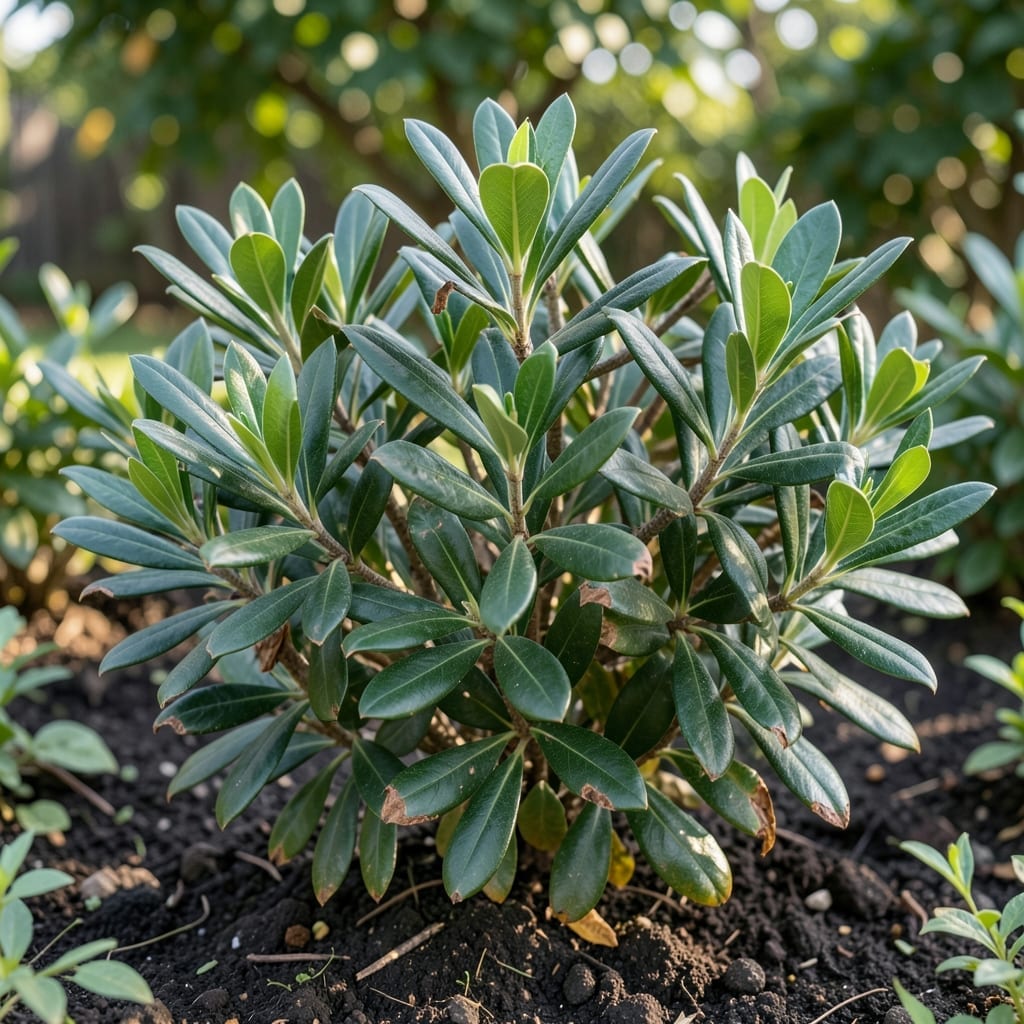
Those crispy brown tips on your bay tree aren’t a death sentence. I’ve nursed dozens back to health with a few simple adjustments.
Most cases come down to water—either too much, too little, or the wrong kind. Tap water chemicals can burn the edges, while dry soil stresses the roots. A 10-minute check of your routine often reveals the culprit.
You’ll see new green growth within 2-3 weeks once the balance is restored. The fix usually involves adjusting watering, boosting humidity, or moving the plant to better light.
Works for potted or in-ground bay trees. The revival starts with observation.
Brown tips on your bay tree are often a sign of stress, and several environmental or care-related factors can trigger this issue. Understanding the root cause is key to reviving your plant. Here’s a breakdown of the most common culprits:
Bay trees thrive in well-draining soil with consistent moisture. Underwatering leads to dry, crispy tips as the plant conserves water, while overwatering suffocates roots, causing rot and nutrient uptake issues. Aim for soil that’s slightly damp but never soggy—stick your finger an inch into the soil to check.
Bay trees prefer moderate temperatures (60–80°F). Exposure to frost, drafts, or heatwaves stresses the plant, leading to tip burn. If growing outdoors, protect it from sudden cold snaps with frost cloth. Indoor plants should avoid radiators or AC vents.
Originally Mediterranean natives, bay trees enjoy bright, indirect light but can scorch in intense midday sun, especially in dry climates. Low humidity (common indoors) also dries out foliage. Mist leaves regularly or use a pebble tray to boost humidity.
Tap water high in chlorine, fluoride, or salts can accumulate in the soil, burning leaf tips. Switch to filtered or distilled water, and flush the soil every few months to remove residue. Avoid over-fertilizing, as excess salts from synthetic nutrients cause similar damage.
A lack of magnesium or potassium often manifests as brown tips. Use a balanced, slow-release fertilizer (10-10-10 NPK) during the growing season, or amend soil with compost. Yellowing leaves alongside brown tips may signal a nitrogen deficiency.
Reviving your bay tree starts with addressing the root causes of those unsightly brown tips. Here’s a practical guide to restoring its health, with fixes tailored to each common issue:
If dry soil is the culprit, give your bay tree a slow, deep watering to rehydrate the roots. Water until the soil is moist 2–3 inches down, then let the top inch dry out before watering again. Prevention tip: Stick to a consistent schedule—weekly in moderate weather, more often in extreme heat. Mulch around the base to retain moisture. 💡
Soggy roots need air! Stop watering immediately and check the roots for rot (mushy, dark roots = trouble). Repot in well-draining soil (mix in perlite or sand) and ensure the container has drainage holes. Prevention tip: Water only when the top 1–2 inches of soil feel dry. ✨
Move potted bay trees to a spot with bright, indirect light or dappled shade if leaves are scorched. For cold damage, bring containers indoors before frost hits. Prevention tip: Acclimate plants gradually to new light conditions to avoid shock. 🌡️
Flush excess salts or fertilizers by running water through the soil for 5–10 minutes, letting it drain freely. Repeat every few months if you fertilize regularly. Prevention tip: Use half-strength fertilizer and avoid tap water high in minerals. 🎯
Trim off brown tips with sterilized pruners (dip in rubbing alcohol) to remove infested or diseased areas. Treat with neem oil or insecticidal soap for pests like spider mites. Prevention tip: Inspect leaves weekly and keep the area clean of debris. 🔥
With these targeted fixes, your bay tree’s new growth should return to its vibrant green—just stay consistent and observe its response!
Water when the top 1-2 inches of soil feel dry. Typically, this means weekly in moderate weather, but adjust for heat or drought. Always check soil moisture first to avoid overwatering.
No, once tips turn brown, they won’t recover. Trim them off with sterilized pruners to focus the plant’s energy on new, healthy growth. New leaves will replace the damaged ones over time.
Tap water can contain chemicals like chlorine or salts that cause tip burn. Use filtered or distilled water when possible, or let tap water sit out for 24 hours to allow chlorine to evaporate.
Curling with browning often signals underwatering or low humidity. Increase watering frequency slightly and mist leaves regularly to restore moisture balance. Avoid sudden temperature changes too.