
Beautiful Plants For Your Interior
Beautiful Plants For Your Interior
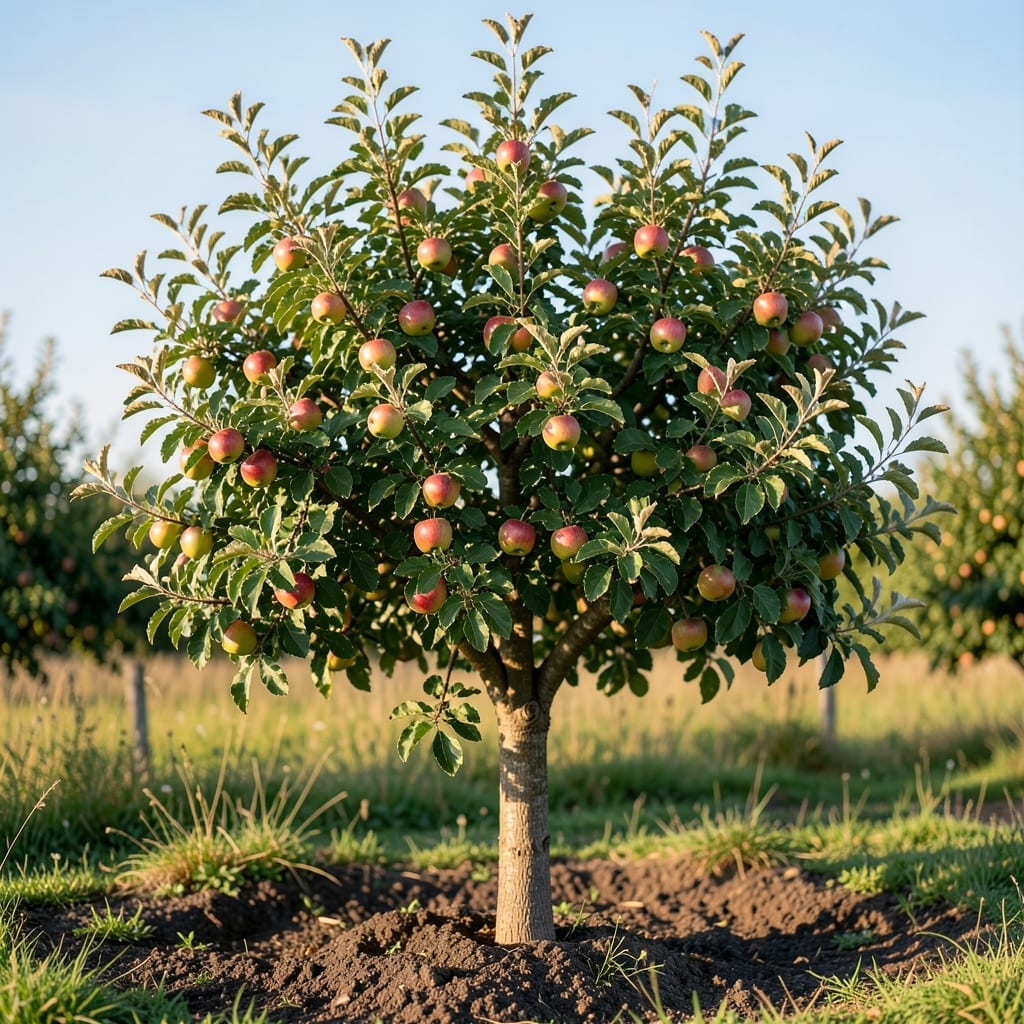
Brown tips on apple leaves scream for attention. I’ve seen this issue derail entire orchards if ignored, but catching it early saves your tree—and your harvest.
Usually, it’s drought, nutrient imbalance, or pest pressure. The fix starts with checking soil moisture first, then examining leaves for clues like spots or webbing.
With the right adjustments, you’ll see fresh green growth returning within 2-3 weeks. Prevention is simpler than cure, and your apple tree will thank you with stronger foliage.
Works for young saplings and mature trees alike. Let’s diagnose and treat this before it spreads.
Brown tips on apple leaves often signal stress or disease. Here are the most common causes, explained simply:
Both underwatering and overwatering can lead to brown leaf tips. Underwatering causes drought stress, cutting off moisture to the edges of leaves first. Overwatering, on the other hand, suffocates roots, reducing their ability to absorb nutrients and water, leading to necrotic tips. Apple trees need consistent soil moisture—neither soggy nor bone-dry.
A lack of key nutrients, especially potassium or magnesium, often shows up as browning at leaf edges. Potassium deficiency typically starts with yellowing margins that turn brown, while magnesium deficiency causes interveinal chlorosis (yellowing between veins) followed by tip burn. A soil test can confirm which nutrient is missing.
Fungi like Alternaria or Phyllosticta thrive in wet conditions and attack apple leaves, causing dark brown or black spots that spread to the tips. These pathogens often enter through wounds or stressed tissue. Improving air circulation and avoiding overhead watering can reduce fungal pressure.
Excess salts from fertilizers, herbicides, or road de-icing agents can accumulate in soil, drawing moisture out of leaf tips through osmosis. This results in scorched, brown edges. Flushing the soil with water or switching to low-salt amendments can help.
Extreme heat, frost damage, or windburn can also cause tip browning. In high temperatures, leaves lose water faster than roots can supply it, leading to marginal necrosis. Protecting trees with mulch or windbreaks can mitigate these effects.
Addressing brown tips on apple leaves starts with pinpointing the cause. Below are targeted fixes for each common issue, along with prevention tips to keep your tree thriving.
Check the soil 2 inches deep—if it’s bone-dry, water deeply (1–2 inches per week) to rehydrate roots. If soggy, pause watering and improve drainage by amending soil with compost or sand. Prevention tip: 💡 Mulch around the base (2–3 inches deep) to retain moisture without waterlogging.
Yellowing with brown tips often signals a potassium or magnesium shortage. Apply a balanced fertilizer (e.g., 10-10-10) or a specialized fruit-tree blend. For quick correction, use Epsom salt (1 tbsp/gallon of water) for magnesium. Prevention tip: ✨ Test soil annually and fertilize in early spring before new growth starts.
Inspect leaves for aphids, mites, or scale. Blast off pests with a strong water spray, or apply neem oil or insecticidal soap. For severe infestations, introduce beneficial insects like ladybugs. Prevention tip: 🎯 Prune affected branches in dormancy to reduce hiding spots.
Spotted leaves with brown edges may indicate apple scab or powdery mildew. Remove infected leaves immediately and apply a copper fungicide or baking soda spray (1 tbsp baking soda + 1 tsp dish soap/gallon of water). Prevention tip: 🌡️ Space trees for airflow and avoid overhead watering.
If tips brown after extreme heat or cold, shield the tree with shade cloth (for sunburn) or frost protection. Trim damaged leaves to redirect energy. Prevention tip: ⏰ Water early in the morning to reduce evaporation stress.
Act quickly, and your apple tree will reward you with vibrant, healthy foliage! 🍏
With proper care, new growth should appear within 2-3 weeks. Existing brown tips won’t heal, but fresh green leaves will emerge if the root cause is resolved.
Yes! Soggy soil suffocates roots, preventing nutrient uptake. This often leads to necrotic leaf edges. Always check soil moisture 2 inches deep before watering.
Improve air circulation by spacing trees properly and avoid overhead watering. A copper fungicide spray in early spring can also help protect foliage.
Epsom salt is safe in moderation and highly effective for magnesium deficiency. Use 1 tablespoon per gallon of water, but don’t overapply.