
Beautiful Plants For Your Interior
Beautiful Plants For Your Interior
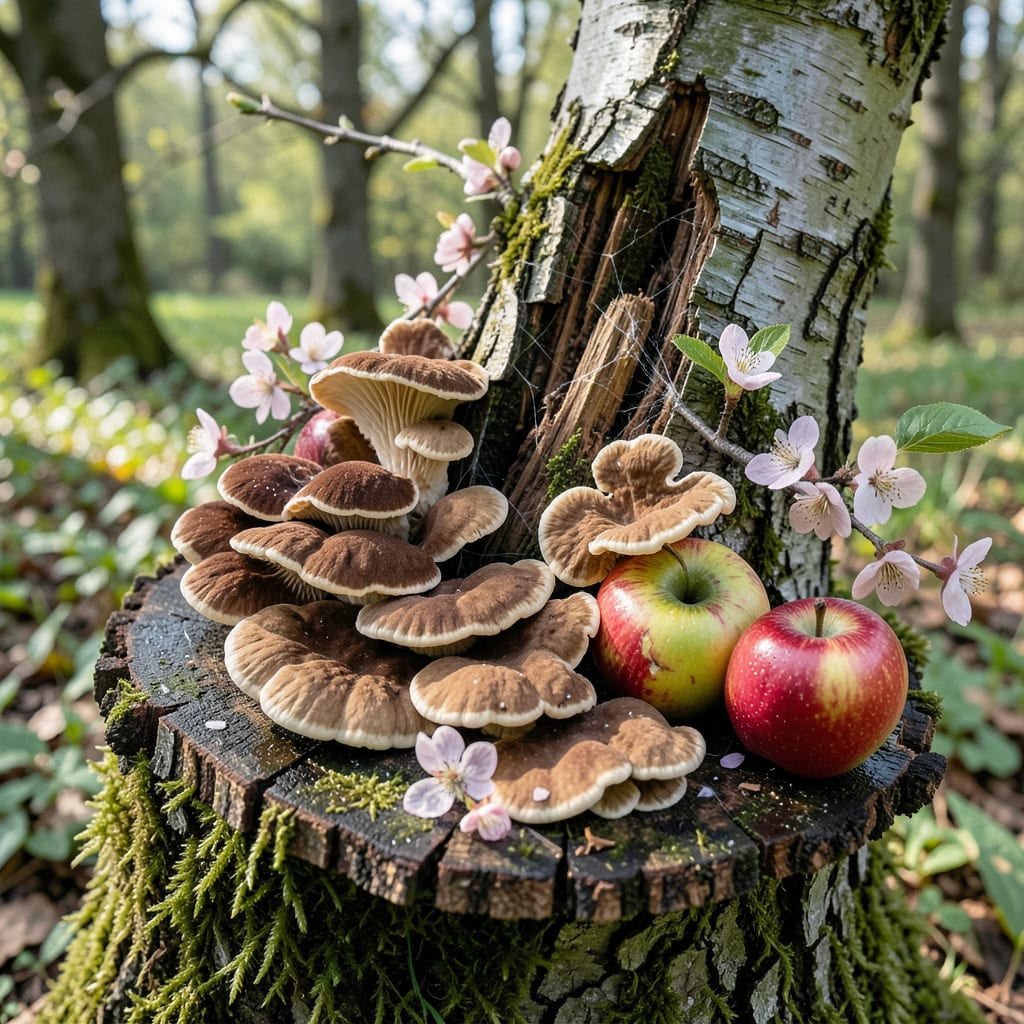
Spotted the first brown leaf on your apple tree this morning. Fungus spreads fast, but I’ve stopped outbreaks with simple organic fixes that don’t harm the fruit or the bees.
Most problems start with wet leaves and poor air circulation—conditions we can fix without chemicals. A weekly spray of baking soda or neem oil often nips early infections in the bud before they reach the fruit.
You’ll see healthier foliage within 10 days and full recovery by next season. The key is catching it early and staying consistent with treatments.
Works for backyards, homesteads, or small orchards. Here’s how to save your trees.
Fungal infections in apple trees don’t appear out of nowhere—they’re usually triggered by specific environmental or cultural conditions. Understanding these causes helps you prevent and manage outbreaks effectively. Below are the most common culprits behind fungal growth in apple trees.
Fungi thrive in damp environments. Prolonged rain, poor drainage, or excessive irrigation creates the perfect breeding ground for spores. Apple trees with dense canopies or poor air circulation trap moisture, accelerating fungal development. Venturia inaequalis (apple scab) and Podosphuera leucotricha (powdery mildew) are common in consistently wet conditions.
Many fungal pathogens activate in cool, wet springs (50–70°F). Sudden temperature shifts weaken tree defenses, making them more susceptible. For example, Monilinia fructicola (brown rot) spreads rapidly when warm days follow cool, rainy nights.
Fungal spores overwinter in fallen leaves, fruit mummies, and pruning debris. If not removed, these become infection sources the following season. Neofabraea malicorticis (bull’s-eye rot) often starts from contaminated plant material left in the orchard.
Over-fertilization (especially nitrogen-heavy) promotes lush, tender growth that’s more vulnerable to fungi. Conversely, potassium or phosphorus deficiencies weaken a tree’s natural resistance. Balanced soil health is key to disease prevention.
Tight spacing reduces airflow, trapping humidity and limiting sunlight—two conditions fungi love. Pruning for an open canopy helps deter pathogens like Gymnosporangium juniperi-virginianae (cedar-apple rust).
Addressing these factors proactively can significantly reduce fungal risks in your orchard.
Dealing with fungal issues in apple trees is manageable with the right approach. Below are targeted solutions for common causes, along with prevention tips to keep your orchard thriving.
Fungus thrives in damp, stagnant conditions. Prune dense branches to improve airflow, focusing on the tree’s center and crossing limbs. Thin out excess fruit to reduce humidity around the canopy. Prevention tip: Space trees at least 10–15 feet apart during planting to ensure long-term airflow.
Overwatering or poor drainage creates a fungal paradise. Adjust irrigation to water at the base (not overhead) and only in the early morning, allowing foliage to dry. For soggy soil, amend with compost or sand to boost drainage. Prevention tip: Use drip irrigation or soaker hoses to keep leaves dry.
Fungal spores spread quickly. Pick off infected leaves, fruit, or mummified apples and burn or trash them—never compost. Disinfect pruning tools with rubbing alcohol between cuts. Prevention tip: Rake and remove fallen debris in autumn to eliminate overwintering spores.
For stubborn infections, use copper-based sprays or neem oil early in the season (before buds swell) and repeat every 7–10 days during wet periods. Prevention tip: Apply a baking soda solution (1 tbsp baking soda + 1 tsp dish soap + 1 gallon water) as a mild, preventive spray.
Pro tip: 🌡️ Monitor weather forecasts—fungus spreads fastest during warm, wet spells. Act fast at the first sign of spots or mildew!
Look for dark spots on leaves, powdery white coatings, or brown rot on fruit. Early signs include yellowing leaves or stunted growth. Inspect regularly during wet weather, as fungi spread quickly in these conditions.
Yes! Pruning improves airflow, reducing moisture buildup. Focus on removing dense branches and thinning the canopy to let sunlight reach the center. Always disinfect tools between cuts.
A baking soda solution (1 tbsp per gallon of water) works as a mild fungicide. Apply weekly during wet periods. For severe cases, neem oil or copper sprays are effective organic options.
Spores often overwinter in fallen leaves or debris. Always rake and remove infected material in autumn, and apply preventive sprays early next spring. Consistency is key to breaking the cycle.
