
Beautiful Plants For Your Interior
Beautiful Plants For Your Interior
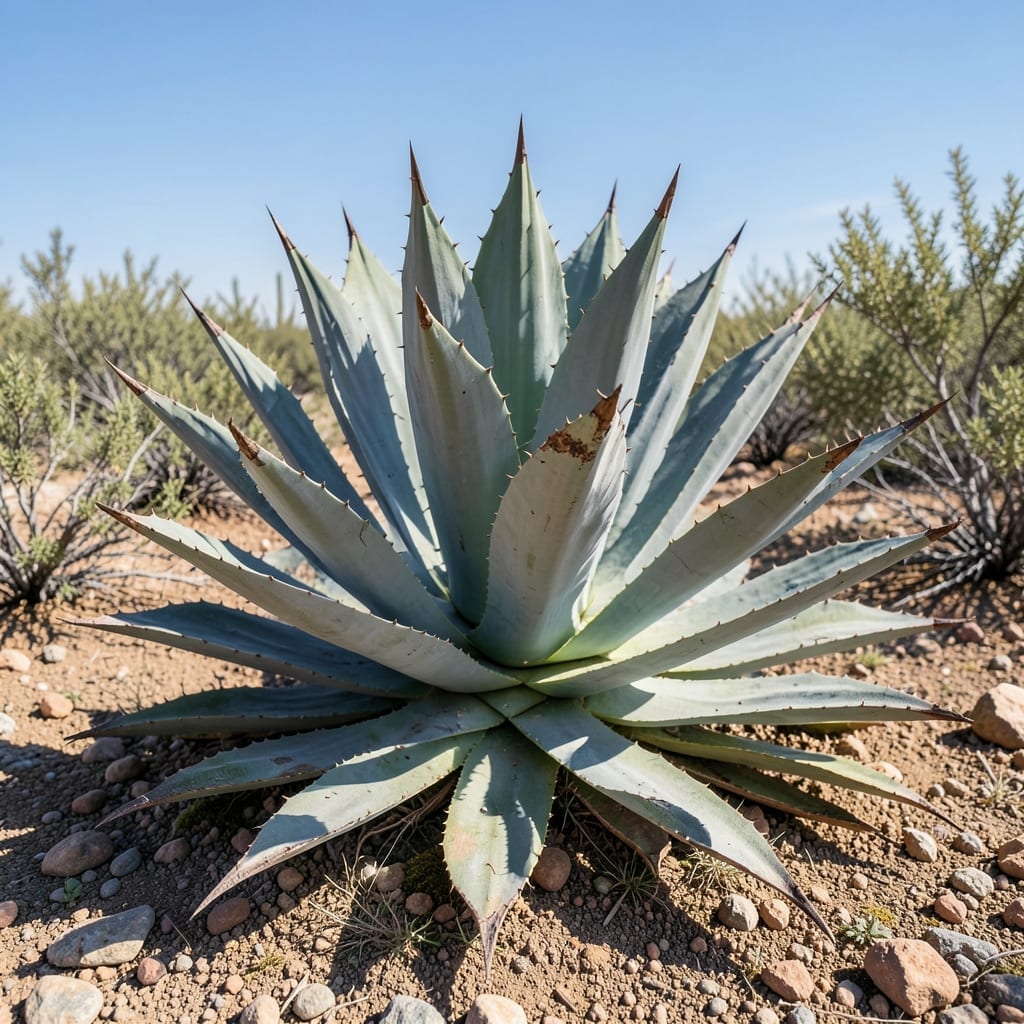
Those crispy brown tips on your agave aren’t just ugly—they’re a distress signal. I’ve seen this happen to my own plants after a brutal summer, and the culprit is usually too much direct sun without enough water to back it up.
Agaves handle drought like champs, but even they have limits. The tips burn first when the plant’s struggling with heat stress, overwatering, or salt buildup in the soil. Most people assume it’s underwatering, but that’s rarely the issue.
Here’s the thing—recovery is possible with a few adjustments. Trimming the damaged tips helps, but the real fix starts with shading the plant during peak sun and checking your watering routine.
With the right care, new growth will emerge clean and green within weeks. No fancy tools or expensive treatments required.
Brown tips on your agave are a distress signal, and the causes are usually tied to environmental or care missteps. Here’s a breakdown of the most common culprits, explained with science-backed clarity.
Agaves thrive in bright light, but intense, direct sunlight—especially in scorching climates—can overwhelm their tissues. The tips turn brown due to photooxidative stress, where UV radiation damages cellular structures, leading to necrosis. This is akin to sunburn in humans. If your plant sits in full desert sun without acclimation, the outer leaves often bear the brunt.
Agaves are drought-tolerant, but chronic underwatering causes tip browning as the plant sacrifices older leaves to conserve water. Conversely, overwatering leads to root rot, which cuts off nutrient and water uptake. The roots suffocate in soggy soil, and the first visible sign is often crispy, brown leaf tips due to hydraulic failure.
While agaves handle heat, sudden cold snaps (below 28°F/-2°C for many species) trigger frost damage. Ice crystals form in plant cells, rupturing membranes and causing desiccation. Tips turn brown and papery as they die back. Even heat stress in poorly ventilated areas can scorch leaf edges.
If you water with hard tap water, salts and minerals (like calcium and fluorine) accumulate in the soil. Over time, this raises soil pH and disrupts nutrient uptake, leading to tip burn. Agaves in containers are especially vulnerable, as salts aren’t flushed away by rain.
A lack of potassium or magnesium can cause marginal necrosis. Potassium deficiency weakens cell walls, while magnesium is critical for chlorophyll production. Without these, older leaves develop brown, crispy tips as the plant redistributes limited resources to newer growth.
Here’s how to nurse your agave back to health based on the most common causes of those unsightly brown tips.
If sunburn is the culprit, move your agave to a spot with bright, indirect light or partial shade, especially during peak afternoon hours. For outdoor plants, use 30-50% shade cloth temporarily. Gradually reintroduce full sun over 2-3 weeks to help it adapt without shocking the plant.
Prevention tip: 💡 New agaves or those moved outdoors in spring need slow sun exposure to build tolerance.
Give your agave a thorough soak until water runs out the drainage holes, then let the soil dry out completely before watering again. Check moisture by sticking your finger 2 inches deep—if it’s dry, it’s time to water. Avoid shallow, frequent watering, which encourages weak roots.
Prevention tip: 🌡️ Use a well-draining cactus mix and a pot with drainage holes to prevent waterlogging.
Stop watering immediately and inspect the roots. Trim any black, mushy roots with sterilized scissors and repot in fresh, dry cactus soil. Ensure the new pot has drainage holes, and hold off on watering for 5-7 days to let the roots recover.
Prevention tip: ✨ Water only when the soil is bone-dry, and always empty saucers after watering.
Mist the leaves lightly once a week or place a tray of water with pebbles near the plant to increase humidity. Grouping it with other plants can also help. Avoid over-misting, as agaves prefer dry conditions but benefit from slight humidity in arid indoor environments.
Prevention tip: 🎯 Keep agaves away from heating vents or drafts that dry out the air.
Use a diluted, low-nitrogen fertilizer (like a 5-10-10 or cactus-specific blend) once in spring and once in summer. Over-fertilizing can harm agaves, so less is more. Brown tips from nutrient issues often improve within a few weeks of proper feeding.
Prevention tip: 🔥 Skip fertilizer in fall and winter when the plant is dormant.
No, once agave leaf tips brown, they won’t recover. Trim them with clean shears for a neat look.
Water deeply every 2-3 weeks in summer, less in winter. Always let soil dry completely between waterings.
Hard tap water can cause mineral buildup. Use filtered or rainwater when possible, especially for potted plants.
Only if deficient—use half-strength cactus fertilizer monthly in growing season. Overdoing it worsens the problem.