
Beautiful Plants For Your Interior
Beautiful Plants For Your Interior
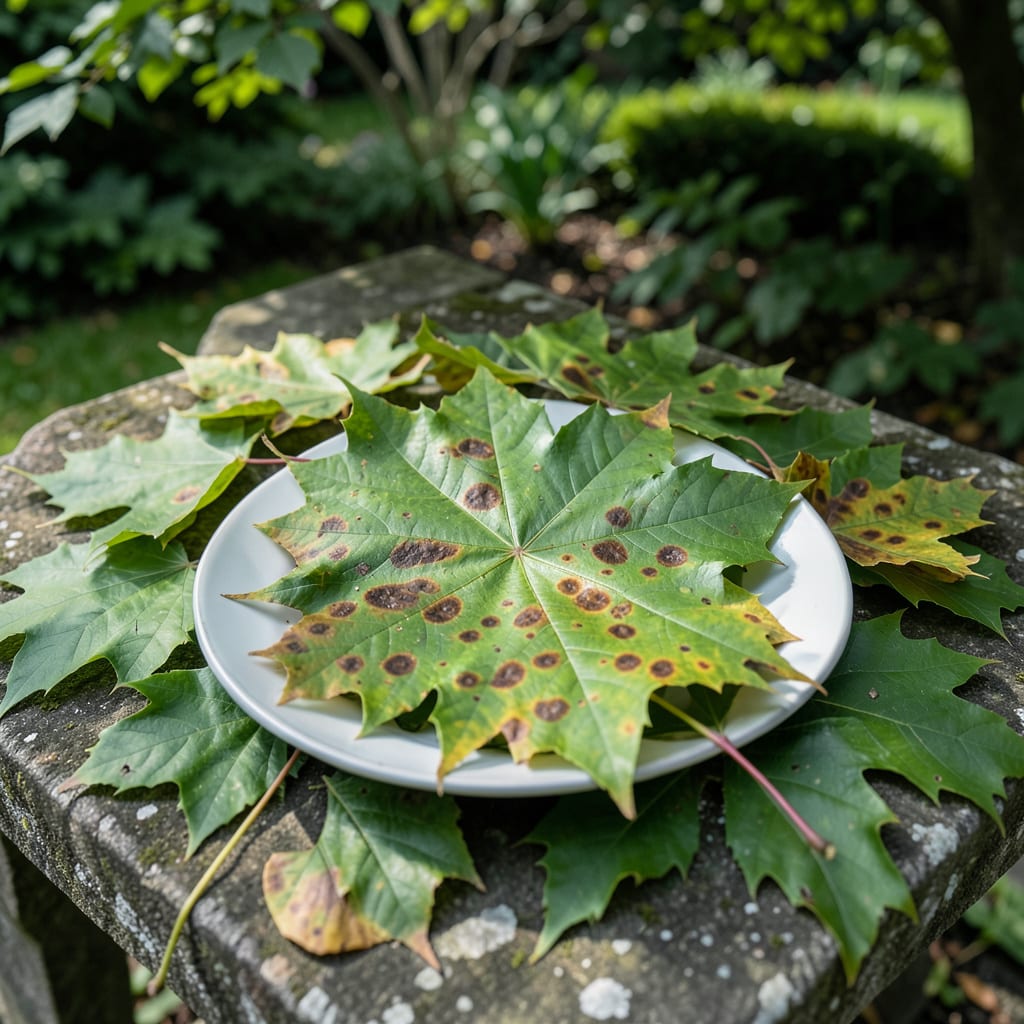
Those brown spots on your tree leaves aren’t just unsightly—they’re a warning sign. I’ve learned the hard way that early action separates a minor issue from a full-blown crisis.
Most cases trace back to fungal infections, pest damage, or environmental stress like drought or poor drainage. The good news? Organic remedies often work just as well as harsh chemicals, without the collateral damage.
With the right diagnosis, you can stop the spread within days. Proper watering, improved airflow, and targeted sprays restore leaf health faster than you’d expect.
Works for maples, oaks, fruit trees—any tree showing those telltale spots. Here’s how to tackle it.
Brown spots on tree leaves often signal underlying issues that disrupt the tree’s health. Below are the most common causes, each with clear explanations to help you diagnose the problem.
Fungi like Cercospora, Anthracnose, or Leaf Spot thrive in warm, humid conditions. They invade leaf tissues, disrupting chlorophyll production and creating circular or irregular brown patches. Overhead watering and poor air circulation worsen fungal spread. Action: Improve airflow, avoid wetting foliage, and apply organic fungicides like copper sprays or neem oil.
Bacteria such as Xanthomonas or Pseudomonas enter through wounds or stomata, causing water-soaked lesions that turn brown. These spots often have yellow halos. Bacteria spread via rain, tools, or insects. Action: Prune infected branches, sterilize tools, and use bacterial sprays like Bacillus subtilis.
Sap-sucking pests like aphids, mites, or scale insects weaken leaves, leading to discolored spots. Their feeding creates entry points for secondary infections. Action: Introduce beneficial insects (e.g., ladybugs) or apply insecticidal soap to control infestations.
Extreme heat, drought, or nutrient deficiencies (e.g., potassium or magnesium) can cause leaf scorch, appearing as brown, crispy edges or spots. Over-fertilization may also burn roots, reducing water uptake. Action: Maintain consistent watering, mulch to retain moisture, and test soil for nutrient imbalances.
Herbicides or improperly applied pesticides can cause localized browning. Drift from nearby lawn treatments is a common culprit. Action: Avoid spraying on windy days and use targeted applications.
Addressing brown spots on tree leaves starts with identifying the cause and applying targeted solutions. Below are practical fixes for common issues, along with prevention tips to keep your trees healthy.
Mix 1 tablespoon of baking soda and 1 teaspoon of mild soap in a gallon of water. Spray affected leaves weekly until spots fade. Prevention: Improve air circulation by pruning dense branches, and avoid overhead watering to reduce moisture on leaves. 💡 Pro tip: Apply in the morning so leaves dry quickly.
Introduce beneficial insects like ladybugs or lacewings to control pests such as aphids or mites. For severe cases, use neem oil spray (2 tablespoons per gallon of water) every 5–7 days. Prevention: Inspect leaves regularly and remove pests by hand when spotted early.
Adjust your watering schedule: deep watering 1–2 times per week is better than frequent shallow watering. Mulch around the base to retain moisture. Prevention: Use a moisture meter to monitor soil hydration and avoid waterlogging.
For sunburn or chemical drift, move potted trees to shaded areas or use shade cloth. Rinse leaves immediately if exposed to herbicides. Prevention: Apply a thin layer of organic compost to shield roots from temperature extremes.
Test soil pH and amend with compost or balanced organic fertilizer (10-10-10) to replenish missing nutrients. Yellowing leaves with brown spots often signal magnesium or potassium shortages. Prevention: Fertilize seasonally and rotate nutrient sources.
Early action and consistent care can restore your tree’s health and prevent future spots. ✨
Fungal and bacterial causes can spread to nearby plants through water splash or wind. Isolate affected trees and avoid overhead watering to prevent transmission.
New growth should appear healthy within 2-3 weeks. Existing spots won’t disappear but won’t spread if the cause is addressed. Consistency is key.
Yes! Excess moisture creates ideal conditions for root rot and fungal growth. Let soil dry slightly between waterings and ensure proper drainage.
Apply treatments in the early morning or late evening to avoid leaf burn. For fungal issues, treat before rainy periods to prevent spread.
