
Beautiful Plants For Your Interior
Beautiful Plants For Your Interior
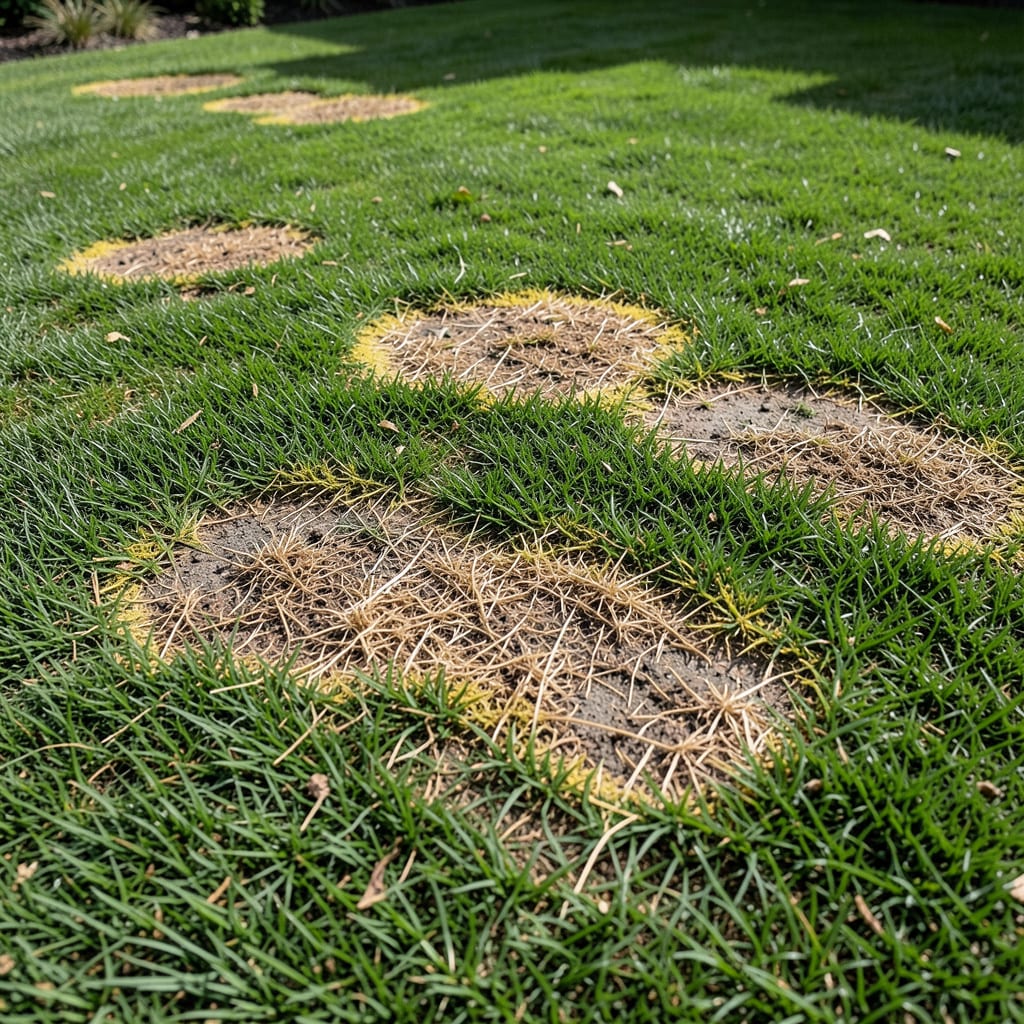
Brown patches in your St. Augustine lawn hit different. I’ve stared at my own yard, wondering if it was fungus, pests, or my watering schedule ruining the green. Turns out, most cases boil down to 3 common culprits.
Diagnosing the issue starts with checking your watering habits, soil health, and recent weather. Overwatering, drought stress, and fungal infections all leave unique marks. The key is catching it early before it spreads.
Organic revival is absolutely possible. With the right adjustments—better drainage, proper mowing height, or natural treatments—your grass can bounce back within weeks. No harsh chemicals needed.
This guide walks you through each step, so you can fix the problem and keep your lawn thick and green all season long.
Brown spots on St. Augustine grass often stem from a mix of environmental stressors, pests, or poor maintenance. Below are the most common causes, explained with actionable insights.
Warm, humid conditions create the perfect breeding ground for Rhizoctonia solani or Magnaporthe grisea, fungi that attack St. Augustine grass. These pathogens thrive in temperatures between 75–90°F (24–32°C) and high moisture, leading to circular or irregular brown patches with dark margins. Overwatering or poor drainage exacerbates the issue.
St. Augustine grass needs 1–1.5 inches of water per week, including rainfall. Too much water suffocates roots, promoting fungal growth, while too little causes drought stress. Shallow watering encourages weak root systems, making the grass more susceptible to browning. Check soil moisture 2–3 inches deep—if it’s bone-dry or soggy, adjust your watering schedule.
Chinch bugs (Blissus insularis) and white grubs (larvae of beetles) feed on grass roots and stems, cutting off nutrient flow. Chinch bugs release toxins that turn grass yellow before it browns, often in sun-exposed areas. Grubs, meanwhile, chew roots underground, causing patches to lift easily like loose carpet. Inspect the thatch layer or dig a small section of turf to spot these pests.
A lack of nitrogen, iron, or potassium can weaken St. Augustine grass, leading to discoloration. Iron deficiency, for example, causes yellowing between leaf veins (interveinal chlorosis) in alkaline soils (pH > 7.0). Conduct a soil test to confirm deficiencies—amending with compost or targeted fertilizers can restore balance.
Heavy foot traffic, dull mower blades, or compacted soil can stress the grass, resulting in brown spots. Compaction restricts root access to air, water, and nutrients. Aerate compacted areas annually and avoid mowing when the grass is wet to prevent tearing.
Reviving your St. Augustine grass requires targeting the root cause of those unsightly brown patches. Below are practical, step-by-step solutions for the most common issues, along with prevention tips to keep your lawn lush and green.
Apply a copper-based fungicide or neem oil to affected areas at the first sign of brown spot disease or large patch. Water early in the morning to allow foliage to dry quickly. Prevention tip: 💡 Avoid overwatering and improve air circulation by aerating compacted soil.
Deep-water your lawn 1–2 inches per week (including rainfall) to encourage deep root growth. Use a rain gauge to track moisture. Prevention tip: ✨ Install a smart irrigation system to maintain consistent soil moisture without overdoing it.
For chinch bugs or grubs, apply insecticidal soap or beneficial nematodes to the soil. Test for pests by drowning a small patch of grass with soapy water—if bugs float up within 10 minutes, treatment is needed. Prevention tip: 🎯 Mow at 3–4 inches to discourage pests and retain soil moisture.
Use a core aerator to pull small plugs of soil, improving oxygen, water, and nutrient flow to roots. Follow up with a thin layer of compost. Prevention tip: 🌱 Avoid heavy foot traffic on the lawn, especially when soil is wet.
Apply a balanced, slow-release fertilizer (e.g., 16-4-8) to replenish nitrogen, phosphorus, and potassium. Test your soil first to pinpoint deficiencies. Prevention tip: 📊 Fertilize in early summer and fall, following label instructions to avoid over-application.
If the thatch layer exceeds ½ inch, use a dethatching rake or power dethatcher to remove the buildup. Prevention tip: 🌟 Regularly mow with a sharp blade and avoid over-fertilizing, which can accelerate thatch growth.
Fungal brown spots often have dark, ring-like edges and appear after rainy, humid weather. Drought-related spots are usually more irregular and feel dry to the touch.
Water in the early morning, ideally between 6–10 AM. This allows excess moisture to evaporate, reducing fungus risk while ensuring deep root hydration.
Yes! A mix of 1 tablespoon baking soda and 1 gallon water can help with mild fungal issues. For pests, beneficial nematodes or insecticidal soap work well.
With proper treatment, most St. Augustine lawns show improvement within 2–4 weeks. Consistent care speeds up recovery significantly.
