
Beautiful Plants For Your Interior
Beautiful Plants For Your Interior
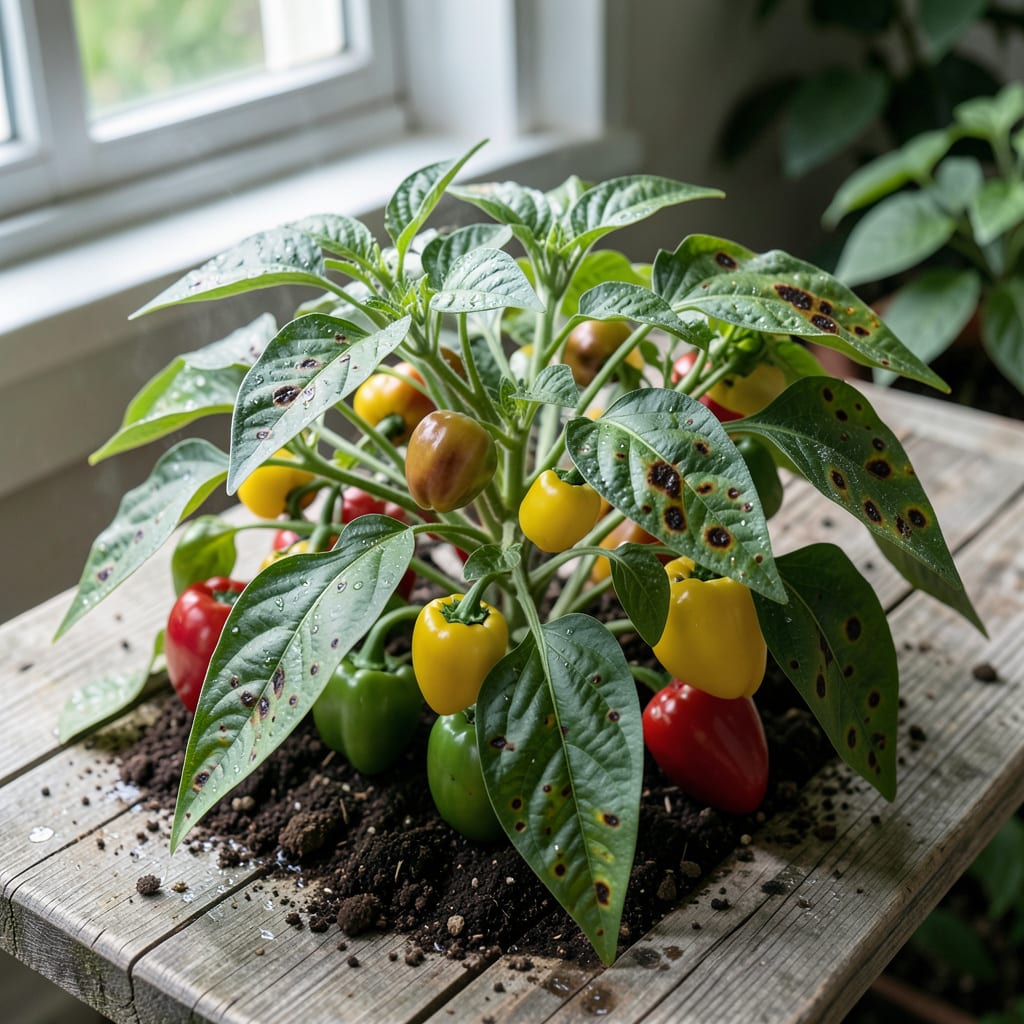
Brown spots on your bell peppers aren’t just ugly—they’re a warning sign. I’ve lost entire crops to these silent killers, but now I spot trouble before it spreads.
Most cases come down to four culprits: fungal infections, bacterial diseases, pest damage, or environmental stress. Each leaves a distinct pattern if you know where to look.
Early action saves plants. Remove affected leaves immediately, adjust watering, and consider organic treatments. Your harvest depends on catching this fast.
Works for greenhouse or field peppers. Here’s how to diagnose and fix it.
Brown spots on bell pepper plants often stem from a mix of environmental, pathological, and cultural factors. Here’s a breakdown of the most common causes, with clear explanations to help you diagnose the issue.
Fungi like Alternaria and Cercospora thrive in warm, humid conditions. These pathogens produce spores that land on leaves, germinate, and create circular or irregular brown spots with concentric rings. Overhead watering and poor air circulation accelerate their spread. Action: Remove infected leaves and apply a copper-based fungicide.
Xanthomonas campestris and Pseudomonas syringae are common culprits. Bacteria enter through wounds or stomata, causing small, water-soaked lesions that turn brown and may develop a yellow halo. Wet foliage and contaminated tools spread the disease. Action: Prune infected areas, avoid overhead irrigation, and rotate crops.
Insects like aphids, spider mites, and whiteflies pierce plant tissues, creating entry points for secondary infections. Their feeding can also cause stippling or necrotic spots. Action: Introduce beneficial insects (e.g., ladybugs) or use insecticidal soap.
Extreme heat, cold, or inconsistent watering can cause physiological stress, leading to brown patches. Sun scorch (from intense light) or chemical burns (from herbicides) may also produce similar symptoms. Action: Provide shade cloth during heatwaves and ensure even moisture levels.
A lack of calcium, magnesium, or potassium can manifest as brown spots, often with yellowing edges. Soil tests can confirm imbalances. Action: Amend soil with compost or use targeted fertilizers (e.g., Epsom salt for magnesium).
Tackling brown spots on your bell pepper plants starts with identifying the root cause. Below are targeted solutions, paired with prevention tips to keep your plants thriving. 🌱✨
If fungal diseases like Alternaria or Phytophthora are the culprit, act fast to stop the spread:
Prevent it: Water at the base (avoid overhead watering) and rotate crops yearly. 💡
Pests like aphids, spider mites, or whiteflies can cause brown spots by sucking sap or spreading disease:
Prevent it: Use row covers early in the season and keep the garden free of debris. 🎯
Too much or too little water, or even sunburn, can lead to brown spots:
Prevent it: Use drip irrigation for even watering and monitor plants during heatwaves. 🌡️
Calcium or magnesium deficiencies often show up as brown or yellow spots:
Prevent it: Enrich soil with compost before planting and follow a feeding schedule. ✨
Yes, overwatering creates perfect conditions for fungal growth. Soggy soil and wet leaves encourage diseases that lead to brown spots. Always water at the base and let soil dry slightly between waterings.
Check the undersides of leaves for tiny insects or webbing. Pests often leave behind sticky residue or visible damage patterns. A magnifying glass helps spot these early warning signs.
Yes, immediately remove and destroy spotted leaves to prevent spread. Use clean pruners and disinfect between cuts. This works especially well for fungal and bacterial issues in early stages.
Neem oil works as both a fungicide and insecticide. Mix with water and a drop of dish soap, then spray weekly. Baking soda solutions can also help control fungal growth when applied early.
