
Beautiful Plants For Your Interior
Beautiful Plants For Your Interior
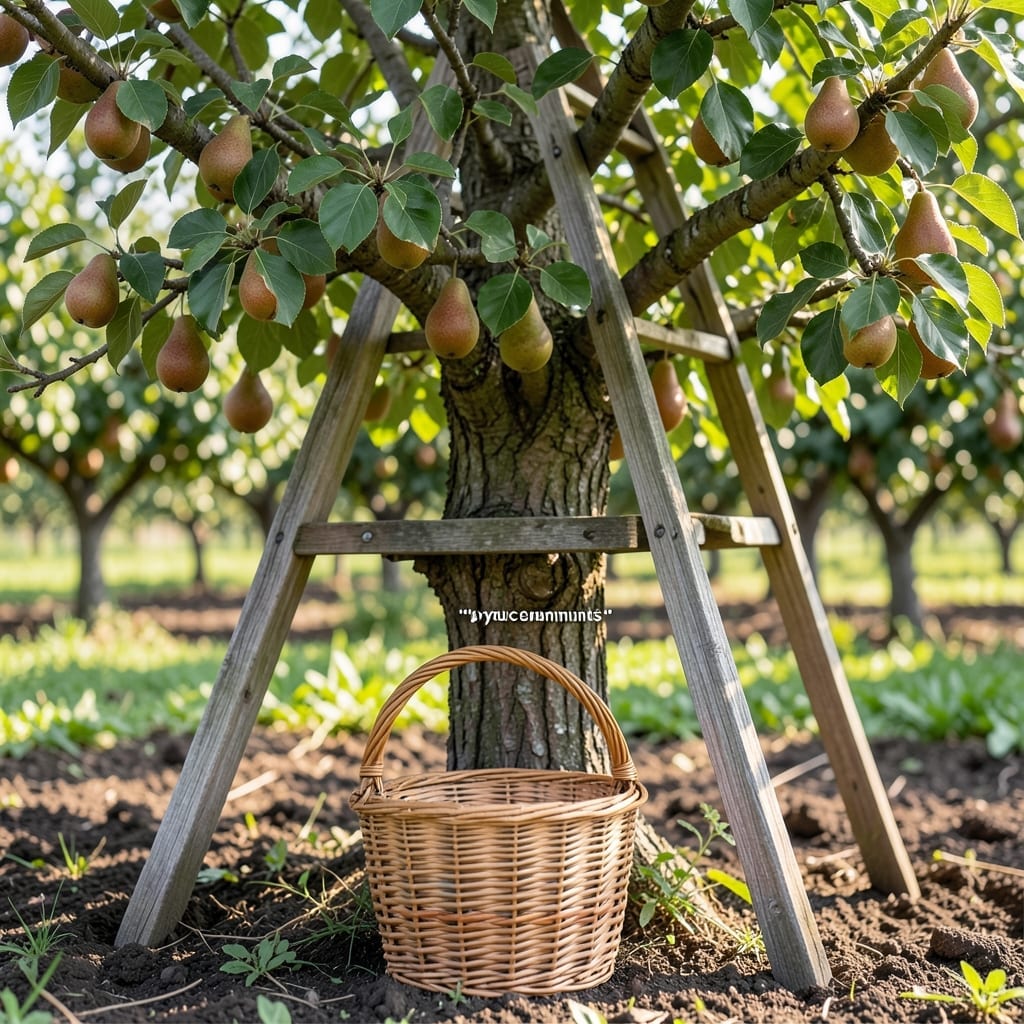
Brown discoloration on pears often indicates fungal diseases like scab or bacterial spot, environmental stress, or pest damage. Early diagnosis and organic treatments can restore tree health and fruit quality.
I’ve seen this issue often in orchards where humidity and poor air circulation create perfect conditions for spores to thrive. The brown patches may start as small lesions before spreading, which is why monitoring your trees regularly is crucial. 🔥 Organic options like sulfur sprays or beneficial fungi can work wonders if applied at the first sign of trouble.
💡 In This Article
Pear scab, caused by Venturia pirina, is the most frequent culprit behind brown spots. This fungus thrives in wet spring conditions, producing olive-green to black lesions on fruit that later turn brown and corky. The spores overwinter in fallen leaves, releasing in spring to infect new growth during extended wet periods of 12+ hours. 🔥
Bacterial spot, from Xanthomonas arboricola, creates smaller, water-soaked spots that become brown and sunken. Unlike scab, these appear more randomly across the fruit surface. High humidity and temperatures between 68-77°F accelerate its spread, with young fruit being most vulnerable during the first 4-6 weeks after petal fall. ✨
Environmental stressors like frost damage or nutrient deficiencies can mimic disease symptoms. Frost rings appear as brown bands around the fruit’s equator after sudden temperature drops below 28°F. Calcium deficiency causes bitter pit—small, brown, sunken spots that develop in storage, often affecting the blossom end first. 💫
Pest damage from codling moth larvae or pear psylla also leads to browning. The entry wounds from these pests create openings for secondary infections. Psylla feeding produces honeydew that supports sooty mold growth, resulting in superficial brown-black coatings on fruit surfaces. ⚡
Distinguishing between these requires close inspection. Scab lesions are typically raised and velvety, while bacterial spots are flat and watery. Environmental damage often appears in patterns related to weather events, whereas pest damage shows entry holes or webbing. Early morning inspections with a 10x hand lens reveal these critical differences.
Disease spots often have defined edges and may appear in patterns, while bruises are irregular and softer to touch. Scab lesions feel corky, and bacterial spots are water-soaked at first.
Neem oil mixed with 1 tablespoon per gallon of water and 1 teaspoon insecticidal soap works well. Apply every 7-10 days during wet weather, focusing on leaf undersides.
Yes, if the browning is superficial like scab or sooty mold. Cut away affected areas. Avoid eating fruit with soft, sunken spots which may indicate bacterial infection.
Begin preventive treatments in early spring before buds swell. Remove fallen leaves in autumn to eliminate overwintering spores. Dormant oil applications help smother pest eggs.