
Beautiful Plants For Your Interior
Beautiful Plants For Your Interior
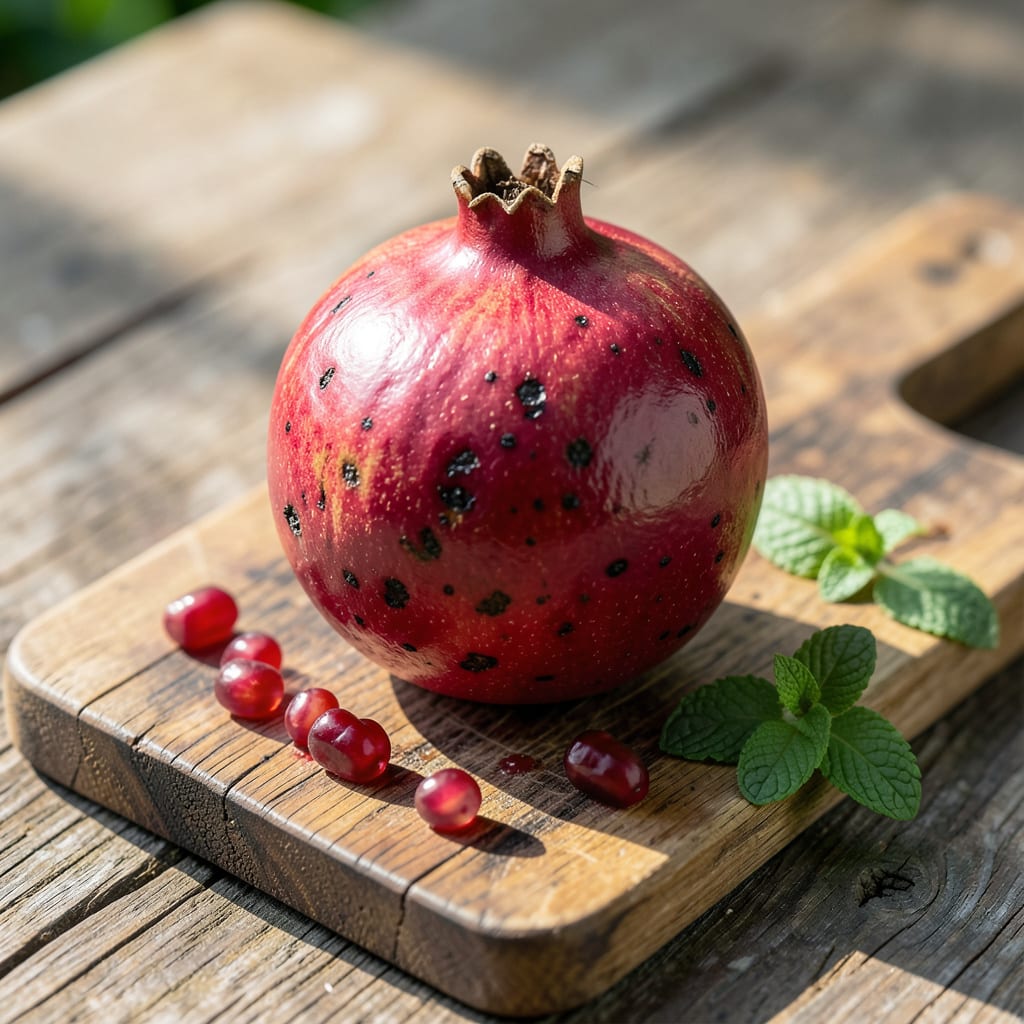
Those black spots on your pomegranates aren’t just unsightly—they’re stealing your harvest. I’ve lost entire crops to this before learning the simple fixes that actually work.
The culprits are usually fungal infections or environmental stress, but don’t reach for chemicals yet. Most cases clear up with better air circulation, proper watering, and a few natural sprays.
You’ll start seeing cleaner fruit within 2-3 weeks of consistent treatment. The key is catching it early before the spots spread or split the rind.
Works for backyard trees, container plants, or small orchards. Here’s how to diagnose and stop it for good.
Black spots on pomegranates often stem from environmental, fungal, or pest-related factors. Here’s a breakdown of the most common causes:
Fungi like Alternaria or Aspergillus thrive in warm, humid conditions, leading to dark, sunken lesions. These pathogens enter through wounds or cracks in the fruit’s skin, often exacerbated by poor air circulation or overhead watering. Action: Improve ventilation and avoid wetting the fruit during irrigation.
Excessive sun exposure can cause scald-like black spots, especially on fruit facing direct sunlight. High temperatures accelerate cell damage, leading to discoloration. Action: Use shade nets during peak heat or ensure proper canopy coverage.
Insects like pomegranate butterflies or aphids pierce the rind, creating entry points for secondary infections. Their feeding also triggers oxidative browning, forming dark patches. Action: Monitor for pests and apply organic insecticides like neem oil early.
A lack of calcium disrupts cell wall integrity, causing bitter pit—small, blackened spots near the fruit’s surface. This is common in sandy or acidic soils. Action: Test soil and amend with gypsum or calcium-rich fertilizers.
Here’s how to tackle those unsightly black spots on pomegranates, with targeted fixes for each common cause:
Small, superficial spots are usually harmless. But if the flesh underneath is discolored or mushy, discard it. Fungal spots can develop toxins in severe cases. When in doubt, throw it out.
Yes! Water at the base early in the day so leaves dry quickly. Avoid overhead watering and ensure good drainage to reduce fungal risks. Drip irrigation works best.
Remove infected fruit immediately, then spray with a baking soda solution or copper fungicide every 7-10 days. Prune dense foliage to improve air flow.
Use 30-40% shade cloth during peak afternoon heat. This protects fruit from scalding while still allowing sunlight for ripening.
