
Beautiful Plants For Your Interior
Beautiful Plants For Your Interior
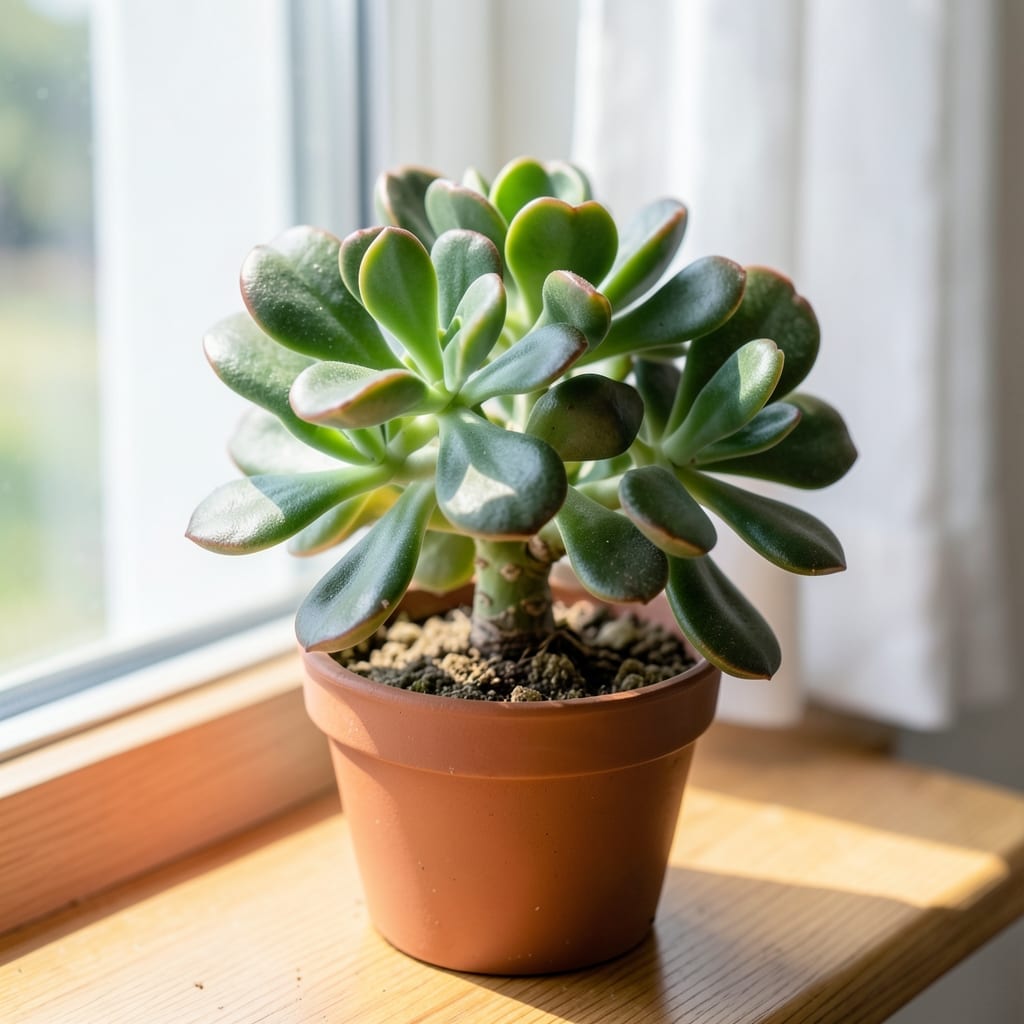
My kalanchoe’s brown leaf tips were my first clue something was wrong. Turns out, most people overwater these succulents without realizing it.
I learned the hard way that soggy soil is the silent killer. The fix is simpler than you think: adjust your watering schedule and check the drainage. Within 2 weeks, new growth looks healthier.
You’ll spot the difference quickly—firm leaves, vibrant color, and no more crispy edges. The plant bounces back fast once it’s getting the right amount of moisture.
Works for any kalanchoe variety, whether it’s sitting in a sunny window or on your patio. Here’s how to rescue yours.
Brown tips on your Kalanchoe leaves are a distress signal, and pinpointing the cause is key to revival. Below are the most common culprits, explained scientifically and with actionable insights.
Kalanchoe are succulents, meaning they store water in their leaves and stems. Overwatering leads to root rot, where excess moisture suffocates the roots, preventing oxygen uptake. This triggers cellular damage in the leaves, starting with tip browning as tissues die from the lack of nutrients and oxygen. Always ensure your pot has drainage holes and use a well-draining, cactus-specific soil mix.
While overwatering is common, chronic underwatering can also cause brown tips. When soil stays dry for too long, the plant’s vascular system struggles to transport water and nutrients to the leaf edges, leading to necrosis (tissue death). Low humidity exacerbates this by increasing transpiration rates, further stressing the plant. Water when the top 1-2 inches of soil are dry, and consider a humidity tray in dry climates.
Tap water often contains chlorine, fluoride, or dissolved salts, which accumulate in the soil over time. These chemicals disrupt the plant’s osmotic balance, causing tip burn as toxins build up in the leaf margins. Use filtered or distilled water, and flush the soil with water every few months to leach out excess salts.
Kalanchoe thrive in stable conditions. Sudden temperature drops, drafts, or exposure to direct hot sunlight can scorch leaf tips. Ideal temperatures range from 60–85°F (15–29°C). Acclimate your plant gradually to new environments and avoid placing it near heaters, AC vents, or cold windows.
To revive your Kalanchoe and stop those unsightly brown tips, tackle the root causes directly with these actionable fixes.
If excess moisture is the culprit, stop watering immediately and let the top 1–2 inches of soil dry out completely. Repot the plant in fresh, well-draining cactus/succulent mix if the roots are soggy or rotting. Always use pots with drainage holes to prevent waterlogging.
Prevention tip: 💡 Water only when the soil feels dry to the touch—usually every 2–3 weeks, less in winter.
Kalanchoes need plenty of light to thrive. Relocate your plant to a sunny windowsill (south or west-facing is ideal) where it gets 4–6 hours of bright, indirect light daily. Avoid harsh direct sun, which can scorch the leaves.
Prevention tip: ✨ Rotate the pot weekly to ensure even light exposure and prevent lopsided growth.
Keep your Kalanchoe in a spot with consistent temperatures between 60–85°F (15–29°C). Avoid drafts from AC units, heaters, or open windows. If the air is too dry, mist lightly or place a tray of water nearby to boost humidity.
Prevention tip: 🌡️ Group plants together to create a microclimate with balanced humidity.
If over-fertilizing is the issue, flush the soil with water to remove excess salts. Run water through the pot for 3–5 minutes, then let it drain completely. Resume feeding with a diluted, balanced fertilizer (half-strength) every 4–6 weeks during the growing season only.
Prevention tip: 🎯 Always fertilize less than you think—Kalanchoes are light feeders!
No, once leaf tips turn brown, that tissue is dead and won’t recover. Focus on improving care to prevent new browning. Trim the affected tips with clean shears to improve appearance and redirect energy to healthy growth.
Water only when the top 1-2 inches of soil are completely dry. This usually means every 2-3 weeks, or less in cooler months. Always empty the saucer after watering to prevent root rot.
Tap water can contain chemicals that build up in soil and burn leaf tips. Use filtered or distilled water when possible. If using tap water, let it sit out overnight to allow chlorine to evaporate.