
Beautiful Plants For Your Interior
Beautiful Plants For Your Interior
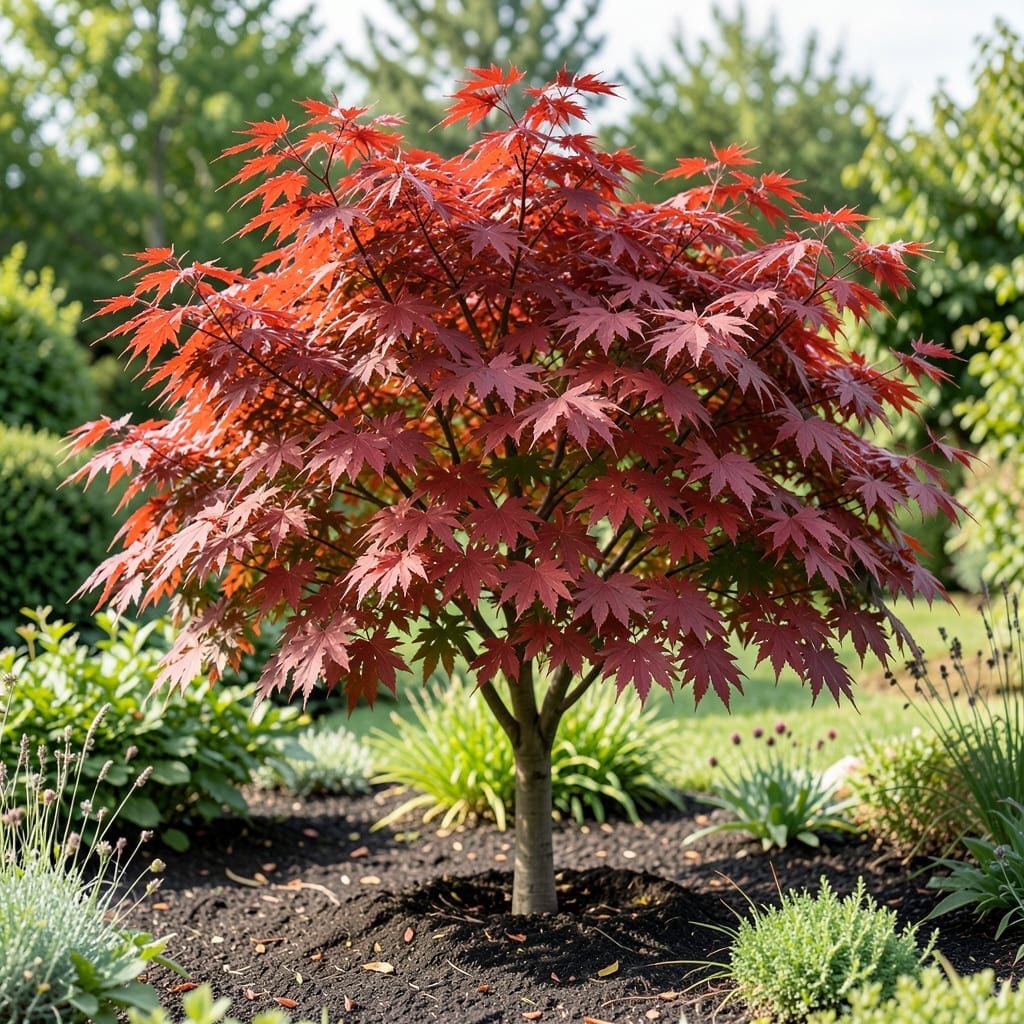
First time I saw brown tips on my red maple, I panicked. Turns out it’s often the tree’s way of saying “help me adjust” to something in its environment.
Most cases come down to 3 common culprits: water stress (too much or too little), nutrient imbalances, or environmental shock. The good news? Each has a straightforward fix once you identify the cause.
Your tree isn’t dying—it’s communicating. With the right adjustments, new growth will emerge vibrant and healthy by next season. I’ve nursed dozens back from worse.
Solutions range from adjusting your watering schedule to testing soil pH. We’ll walk through each possibility step by step.
Brown leaf tips on red maples often signal underlying stress. Here are the most common causes, explained with actionable insights:
Red maples thrive in consistently moist but well-drained soil. Too little water causes leaf edges to dry out and brown, while excess water suffocates roots, leading to poor nutrient uptake. Check soil moisture 2 inches deep—it should feel like a damp sponge, not soggy or bone-dry.
Extreme heat, drought, or sudden temperature swings can trigger tip burn. Red maples prefer USDA zones 3–9 but may struggle in intense summer heat without supplemental watering. Mulch (2–4 inches of organic matter) helps regulate soil temperature and retain moisture.
High soil salinity or pH extremes (below 5.5 or above 7.5) disrupt nutrient absorption, often causing marginal leaf scorching. Test soil annually; amend with compost or sulfur/lime as needed to maintain a slightly acidic to neutral pH (6.0–7.0).
A lack of potassium, magnesium, or calcium can manifest as brown tips. Yellowing between veins (interveinal chlorosis) often accompanies magnesium deficiency. Use a balanced, slow-release fertilizer in early spring, and consider a foliar spray for quick correction.
Pests like spider mites or diseases such as tar spot fungus can weaken leaves, leading to browning. Inspect undersides of leaves for webbing (mites) or black spots (fungus). Treat with neem oil or fungicides, and improve airflow by pruning dense canopies.
Here’s how to tackle brown leaf tips on your red maple, with fixes tailored to each cause:
Not usually! Brown tips often mean temporary stress, not permanent damage. With proper adjustments to watering, soil, or environment, your tree can recover fully.
After fixing the issue, healthy new leaves typically emerge within 2-4 weeks. Severely stressed trees may take a full season to rebound completely.
Yes! Too much fertilizer creates salt buildup in soil, leading to leaf tip burn. Always follow package instructions and fertilize only during the growing season.
Only if more than 1/3 of the leaf is brown. Otherwise, leave them—the tree can still photosynthesize through the green portions.