
Beautiful Plants For Your Interior
Beautiful Plants For Your Interior
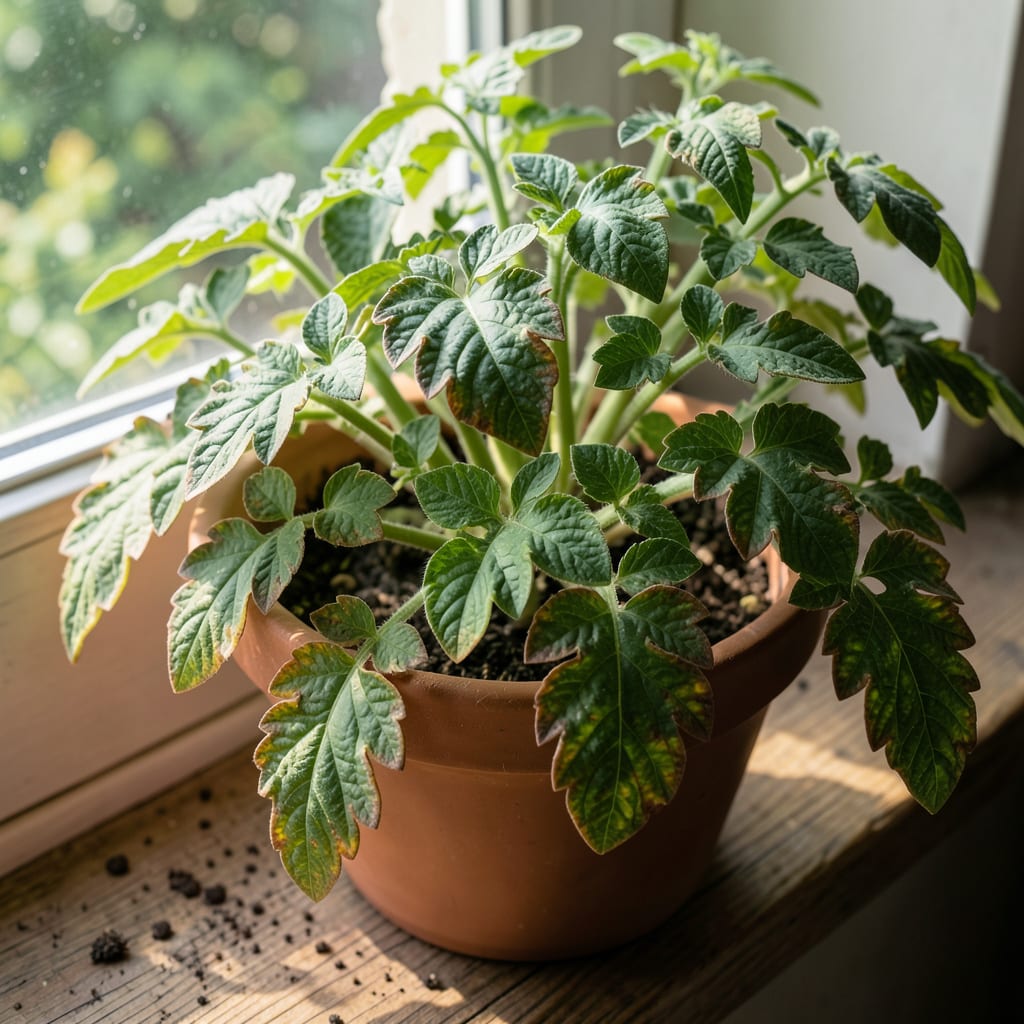
Brown edges on your tomato leaves aren’t a death sentence. I’ve saved countless plants by catching this early—before the crispy margins spread inward and stunt growth.
The usual suspects are inconsistent watering, potassium deficiency, or salt buildup from fertilizers. Each leaves a slightly different pattern, but the fix starts with the same 3 steps: check soil moisture, adjust your feeding routine, and trim damaged foliage.
Most plants bounce back within 2 weeks of correcting the issue. The key is acting fast before the stress affects fruit production or invites secondary problems.
Works for potted tomatoes, garden beds, and even greenhouse setups. Here’s how to diagnose and treat it properly.
Brown edges on tomato leaves often signal underlying stress. Here are the most common causes, explained scientifically and actionably:
Heat or drought stress triggers leaf scorch, especially in hot climates. When temperatures exceed 90°F (32°C), tomato plants struggle to absorb water fast enough to replace moisture lost through transpiration. The edges dry out first, turning brown and crispy. Solution: Provide afternoon shade and maintain consistent soil moisture.
Fluctuations between soggy and bone-dry soil disrupt root function. Overwatering suffocates roots, reducing their ability to uptake nutrients, while underwatering causes wilting and edge burn. Solution: Water deeply 1–2 times per week, allowing the top inch of soil to dry between sessions. Use drip irrigation to avoid wetting foliage.
A potassium deficiency often manifests as yellowing leaf edges that progress to brown, dry margins. Potassium regulates water movement in cells, and its lack leads to poor stress tolerance. Magnesium deficiency can also cause interveinal browning. Solution: Test soil and amend with potassium sulfate or compost. Avoid excess nitrogen, which exacerbates the issue.
Over-fertilization or high-salinity water leads to osmotic stress, where roots can’t absorb water properly. Salt buildup in soil draws moisture out of roots, causing leaf tip and edge necrosis. Solution: Leach soil with fresh water to flush excess salts, and reduce fertilizer concentrations.
Pathogens like Early Blight (Alternaria solani) or Bacterial Leaf Spot (Xanthomonas spp.) can cause brown, irregular edges—often with concentric rings or spots. These thrive in wet, humid conditions. Solution: Improve air circulation, avoid overhead watering, and apply copper-based fungicides preventatively.
Here’s how to tackle brown edges on your tomato leaves, with actionable fixes for each common cause.
Fix: Check soil moisture 2 inches deep—it should feel like a wrung-out sponge. Water deeply only when dry. For overwatering, let soil dry out and improve drainage by mixing in compost or perlite.
Prevent: Use a moisture meter 🌡️ and water early in the day to reduce evaporation. Mulch with straw to retain consistent moisture.
Fix: For potassium deficiency, apply a balanced fertilizer (e.g., 10-10-10) or wood ash. For magnesium, use Epsom salt (1 tbsp/gallon of water) as a foliar spray. For calcium, add crushed eggshells or lime to the soil.
Prevent: Test soil annually and amend before planting. Rotate crops to avoid depleting nutrients.
Fix: Shield plants from harsh winds with a barrier or stakes. If heat/sunburn is the issue, provide afternoon shade using shade cloth (30-40%). For cold stress, cover plants with row covers at night.
Prevent: Plant tomatoes in a sheltered spot and harden off seedlings gradually before transplanting.
Fix: Flush the soil with water to leach out excess salts. If fertilizer burn is suspected, rinse leaves with water and pause feeding for 1-2 weeks.
Prevent: Always follow label instructions for fertilizers/pesticides. Use organic options when possible to reduce salt buildup.
Fix: Remove affected leaves with sterilized pruners and apply a copper-based fungicide or neem oil. Improve airflow by pruning inner foliage.
Prevent: Space plants 2-3 feet apart, avoid overhead watering, and clean up garden debris to reduce disease risk.
Yes, overwatering suffocates roots, preventing nutrient uptake. This often leads to brown edges as roots can’t supply water effectively. Let soil dry slightly between waterings.
With proper treatment, new growth should appear healthy within 7-14 days. Damaged leaves won’t heal but new ones will grow normally.
Only if caused by fungal/bacterial infections. Environmental or nutritional issues won’t spread. Isolate affected plants if you suspect a pathogen.
Yes, the fruit remains safe to eat. The issue affects leaves, not the edible parts. Just wash tomatoes thoroughly before consuming.
