
Beautiful Plants For Your Interior
Beautiful Plants For Your Interior
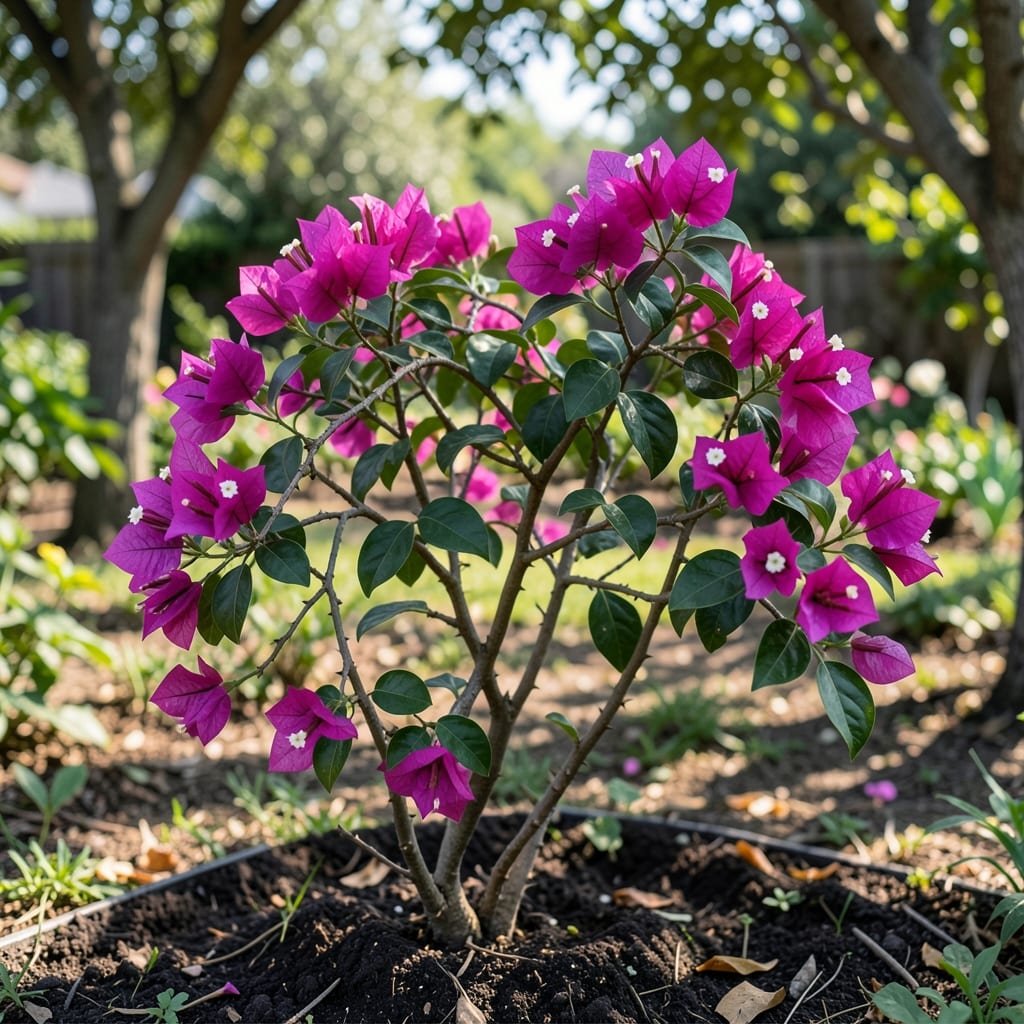
That heart-stopping moment when your bougainvillea looks lifeless. I’ve stared at enough brown stems to know the panic is real—until I learned to spot the difference between a deep sleep and the end.
The trick isn’t in the leaves but in the stems. Green under the bark means it’s just resting, while dry, brittle wood signals trouble. Winter cold or overwatering often triggers this, but recovery is possible with the right adjustments.
I’ve brought plants back from the brink by cutting water, moving them to shelter, and waiting for spring warmth. Patience is key—new growth often appears when you least expect it.
If your plant still has flexible stems, there’s hope. A little care now can coax it back to its vibrant, colorful self.
Understanding why your bougainvillea appears dormant or dead starts with recognizing the environmental and care-related triggers. Here’s a breakdown of the most common causes, backed by science and actionable insights.
Bougainvilleas thrive in warm climates (70–85°F). Cold snaps below 30°F can damage foliage and roots, pushing the plant into dormancy or causing dieback. Conversely, heat stress above 100°F may scorch leaves, halting growth. Action: Move potted plants indoors or to a sheltered area during extreme weather.
Both overwatering and underwatering disrupt a bougainvillea’s vascular system. Root rot (from soggy soil) suffocates roots, while drought forces the plant to shed leaves to conserve water. Action: Water only when the top 1–2 inches of soil are dry, and ensure pots have drainage holes.
As sun-loving plants, bougainvilleas need 6+ hours of direct sunlight daily. Insufficient light reduces photosynthesis, leading to weak growth, leaf drop, or a dormant-like state. Action: Relocate to a sunnier spot or supplement with grow lights in low-light seasons.
A lack of phosphorus (for blooms) or nitrogen (for foliage) can stunt growth, mimicking dormancy. Yellowing leaves may signal iron or magnesium deficiency. Action: Use a balanced fertilizer (10-10-10) or a bloom booster (high in phosphorus) during growing season.
Sap-sucking pests (aphids, mealybugs) weaken the plant, while fungal infections (like powdery mildew) block nutrient uptake. Severe infestations can cause dieback. Action: Treat with horticultural oil or fungicide, and prune affected areas to improve airflow.
If your bougainvillea looks lifeless, don’t lose hope—it may just need a littleLCP. Here’s how to diagnose and fix common issues, plus tips to prevent future problems.
If the soil is bone-dry and leaves are crispy, your plant is thirsty. Give it a deep watering until the soil is moist 6–8 inches down. To retain moisture, add a 2–3 inch layer of mulch (wood chips or straw) around the base. Prevention tip: 💡 Water deeply 1–2 times a week in hot weather, but let the top inch of soil dry out between waterings.
Yellowing leaves or mushy stems signal root rot from too much water. Stop watering immediately and check the roots—trim any black, smelly ones. Repot in well-draining soil (mix in perlite or sand) and ensure the pot has drainage holes. Prevention tip: ✨ Use a moisture meter or stick your finger in the soil—water only when the top 2 inches are dry.
Leggy growth or no blooms? Your bougainvillea needs more light. Move it to a spot with at least 6–8 hours of direct sunlight daily. South-facing windows or outdoor patios work best. Prevention tip: 🎯 Rotate the pot weekly for even sun exposure and vibrant color.
Pale leaves or weak growth mean it’s hungry for nutrients. Use a balanced, water-soluble fertilizer (10-10-10 or 20-20-20) every 2–4 weeks during growing season. For more blooms, switch to a high-phosphorus (10-30-20) formula in spring. Prevention tip: 🌡️ Flush the soil with water every 2–3 months to prevent salt buildup from fertilizers.
Blackened or wilted stems after a frost mean cold shock. Prune dead growth back to healthy wood and avoid fertilizing until new growth appears. Prevention tip: 🔥 If temperatures drop below 30°F (-1°C), move potted bougainvillea indoors or cover it with frost cloth.
Scratch the stem gently. If you see green underneath, it’s alive and dormant. Dry, brown wood means it’s dead. Also check for flexible stems—brittle ones won’t recover.
Often yes! Bougainvilleas can recover from freeze damage if the roots stayed warm. Prune dead growth in spring and wait for new shoots. Protect future growth with frost cloth.
Typically 2-3 months in cooler seasons. It often wakes up as temperatures rise above 50°F. Be patient—some varieties take longer to show new growth.
Root rot from overwatering mimics dormancy. Yellow leaves and mushy stems are red flags. Let soil dry between waterings.