
Beautiful Plants For Your Interior
Beautiful Plants For Your Interior
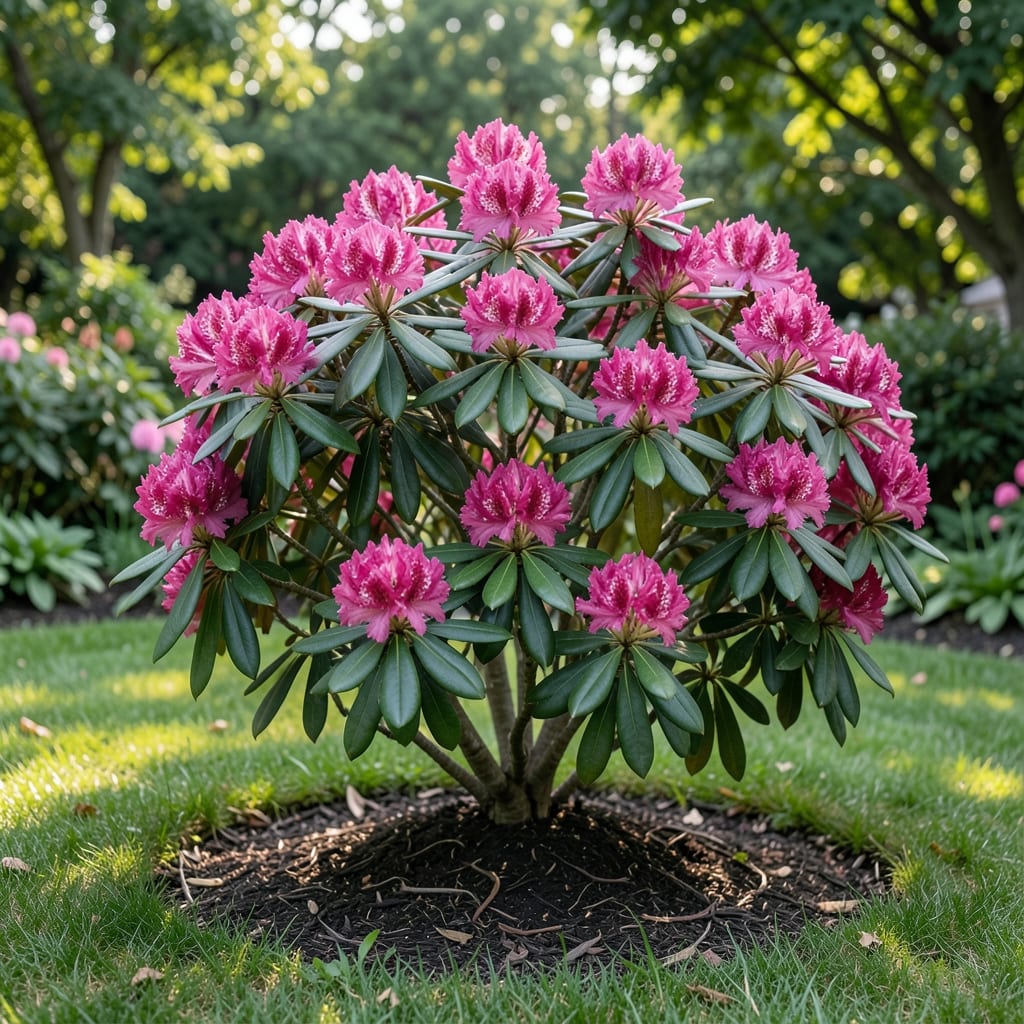
The Botanical Gardens in Victoria, BC, showcase diverse plant collections, themed gardens, and serene landscapes. Visitors enjoy native species, seasonal displays, and peaceful walking paths in this horticultural haven.
I love how these gardens offer more than just visual beauty—they serve as living classrooms for plant conservation. 🌟 You’ll find everything from rare orchids to towering sequoias, each section telling its own ecological story. The Japanese and Mediterranean gardens provide a striking contrast that highlights Victoria’s ability to support diverse botanical life.
💡 In This Article
The gardens feature over 5,000 plant species across 55 acres, with specialized collections that showcase both native and exotic flora. The Rhodo Walk bursts with color each spring, while the Asian Garden offers a tranquil retreat with traditional design elements. Each section is curated to highlight specific ecological relationships and cultural significance. 🌟
Native Pacific Northwest plants thrive in the Woodland Garden, where towering Douglas firs and Western red cedars create a natural canopy. Here, you’ll find understory plants like salal and Oregon grape that have adapted to the region’s moist, temperate climate.
The soil composition and light filtration in this area mimic natural forest conditions, supporting over 200 native species. ✨
For exotic plant enthusiasts, the Mediterranean Garden features drought-tolerant species from similar climates worldwide. Plants like lavender, rosemary, and olive trees demonstrate how different regions solve similar environmental challenges. The garden’s design includes raised beds with excellent drainage to replicate arid conditions. 💫
The Rose Garden boasts over 150 varieties, with blooms from late spring through fall. Hybridizers have developed many of these roses specifically for Victoria’s mild winters and cool summers. The collection includes historic roses alongside modern cultivars, offering a living timeline of rose breeding. 🔥
Seasonal displays rotate throughout the year, with tulips in spring, dahlias in summer, and winter blooms like heather and witch hazel. This rotation ensures year-round interest and demonstrates how different plants have evolved to thrive in specific seasonal conditions. The gardens also maintain a seed bank to preserve genetic diversity of rare species. 🌟
Each plant collection serves an educational purpose, with detailed signage explaining origins, adaptations, and conservation status. The gardens participate in international plant exchange programs, contributing to global biodiversity efforts while introducing visitors to species they might never encounter elsewhere. ⚡
Late April brings peak rhododendron displays, while June showcases the 150+ rose varieties. For dahlias, plan your visit in September when these summer blooms reach their vibrant best.
Only registered service animals are permitted. The policy protects delicate plant collections and ensures a peaceful experience for all visitors. Stroller-friendly paths make it easy to bring young children instead.
Most visitors spend 2-3 hours exploring the 55-acre grounds. Guided tours add about 1 hour and provide deeper insights into the plant collections and garden history.
Yes, the Garden Café offers light meals and refreshments seasonally. For a full meal, nearby downtown Victoria has countless options just a 10-minute drive away.