
Beautiful Plants For Your Interior
Beautiful Plants For Your Interior
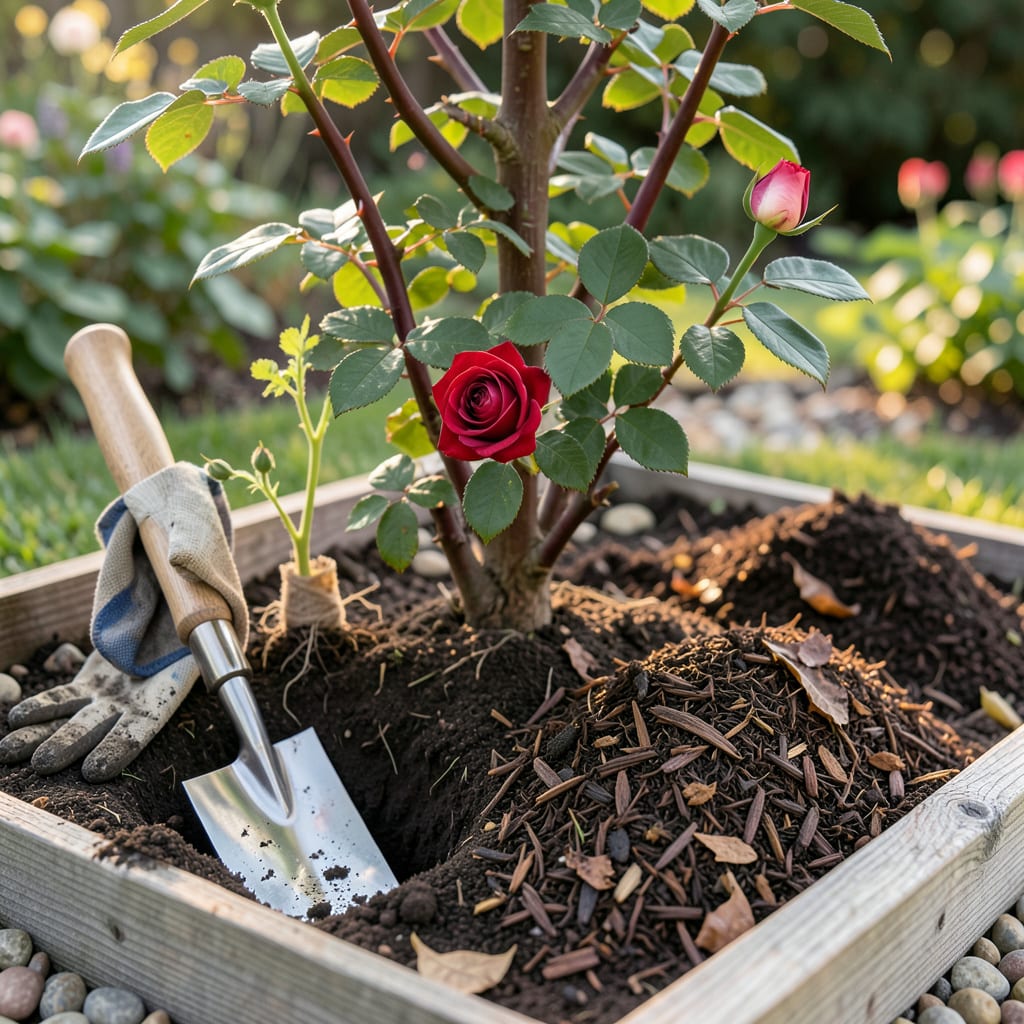
Imagine stepping into your garden next summer, surrounded by waves of fragrant 🌹 roses in full bloom—all because you nailed the planting timing. In the Pacific Northwest, where damp springs and mild falls create the perfect storm for root rot or weak growth, getting this right isn’t just helpful—it’s the key to thriving plants.
I’ve seen too many gardeners plant too late in spring or too early in fall, only to watch their roses struggle. The good news? Our region’s unique climate actually gives us two ideal windows—if you know when to act. Let me break down exactly when to get those roots in the ground for showstopping results.
If you’re dreaming of lush rose blooms in your Pacific Northwest garden, timing your planting is absolutely crucial. Our region’s maritime climate—with its wet winters and mild summers—creates unique opportunities and challenges. I’ve found that late winter to early spring is ideal for most areas, but the exact window depends on your microclimate.
The key is working with the USDA zones that span our region. Coastal areas like Seattle (Zone 8-9) can plant earlier than inland valleys (Zone 6-7), where frost lingers longer. Whether you’re planting bare-root roses in February or container-grown roses in April, I’ll break down the perfect timing for your location.
| USDA Zone | Location Example | Bare-Root Planting | Container Planting | Fall Planting Window |
|---|---|---|---|---|
| Zone 6-7 | Inland PNW (Spokane, Bend) | March-April | May (after last frost) | September-October |
| Zone 8 | Puget Sound (Seattle, Tacoma) | February-March | April-May | October-November |
| Zone 9 | Coastal PNW (Portland, Vancouver) | January-February | March-April | November-December |
💡 Pro Tip: Bare-root roses need 4-6 weeks before last frost to establish. Container roses can go in 2-3 weeks after last frost when soil warms to 50°F+.
For Zone 6-7 gardens, I recommend waiting until soil temperatures reach at least 45°F—usually by mid-March. In these colder areas, fall planting (September-October) often gives roses extra time to establish roots before winter dormancy. Just be sure to mulch heavily (3-4 inches) to protect against sudden cold snaps.
If you’re in Zone 8-9, you’ve got more flexibility. I’ve had great success planting bare-root roses in February—they get a head start before summer heat. For container roses, April is perfect because the soil is workable and frost risk is minimal. Coastal gardeners can even sneak in late fall plantings (November) thanks to milder winters.
Watch out for unseasonal weather—it’s common in the PNW! If we get a late frost (after April 15), protect new plants with frost cloth or a temporary cold frame. Conversely, early heatwaves (May-June) mean you’ll need to water deeply 2-3 times per week to help roots establish.
Here’s my soil prep
Even the most experienced gardeners can make costly mistakes when planting roses in our Pacific Northwest climate. I’ve seen firsthand how small oversights—like ignoring soil drainage or misjudging frost dates—can sabotage an entire growing season. Let’s tackle the top 5 pitfalls and how to avoid them.
The PNW’s wet winters and mild summers create unique challenges. For example, poor drainage in heavy clay soil can rot roots, while wind exposure in coastal areas can desiccate new plants. I’ll walk you through the most common errors and their simple fixes so your roses thrive.
One mistake I see often is planting too late in spring. If you wait until May or June, your roses will struggle to establish roots before summer heat hits. Aim for February-April (bare-root) or March-May (container) depending on your zone. Pro tip: Soak bare-root roses in water for 12-24 hours before planting to rehydrate roots.
Another critical error is underestimating our rainfall. While roses need consistent moisture, PNW winters can drown roots if drainage is poor. I always recommend planting on a slight mound (2-3 inches high) to help water drain away from the stem. For container roses, ensure pots have drainage holes and elevate them on pot feet.
Don’t overlook post-planting care either. After planting, I prune canes back to 6-8 inches to reduce stress and encourage bushy growth. Then, apply a 2-3 inch layer of mulch (cedar chips or compost) to retain moisture and suppress weeds. Water deeply 2-3 times per week for the first month—even if it rains!
Finally, watch for early pests like aphids, which thrive in our mild springs. I spray new plants with neem oil every 2 weeks until buds form. If you spot black spot fungus (common in wet PNW springs), remove infected leaves immediately and apply a copper fungicide. Prevention is easier than cure!
Not all roses are created equal—especially in the Pacific Northwest, where our damp springs and mild summers demand tough, disease-resistant varieties. After years of testing, I’ve found that rain-tolerant hybrids and climbing roses perform best here. Let’s dive into the top performers and their ideal planting windows.
The PNW’s climate favors roses that can handle high humidity without succumbing to black spot or powdery mildew. I focus on varieties with glossy foliage (which repels water) and strong fragrances (a bonus for our outdoor-loving lifestyle). Here are my top picks, categorized by bloom time.
💡 Pro Tip: For year-round color, pair early bloomers like ‘New Dawn’ with late-season stars like ‘Autumn Sunset’.
For coastal gardens (Zones 8-9), I recommend ‘Knock Out’ roses—they laugh at our rainy springs and keep blooming until frost. Their self-cleaning habit means less maintenance, which is perfect for busy gardeners. Plant them in full sun (6+ hours) and watch them thrive with minimal fuss.
If you’re dealing with shadier spots, try ‘Zephirine Drouhin’, a thornless climber that tolerates partial shade. It’s a PNW favorite for arbors and fences, with deep pink blooms that appear in flushes from June to October. Just give it a trellis or support to shine.
For inland gardens (Zones 6-7), ‘John Cabot’ (a hardy climber) and ‘Champlain’ (a rugosa hybrid) are my go-tos. Both handle colder winters and less-than-perfect soil while delivering vibrant color. Plant these in early spring (March-April) for best results.
No matter which variety you choose, remember: fall planting (September-October) gives roses a head start for next year. I always mulch heavily (3-4 inches of shredded bark) to protect roots from winter wet. Come spring, you’ll be rewarded with stronger growth and more blooms!
Fall planting (September-October) often gives roses a head start by allowing roots to establish before winter dormancy. However, spring planting (February-April) works well too—especially for container-grown roses. Coastal areas can even plant as late as November.
Check that soil is workable (not frozen or waterlogged) and reaches at least 45°F. A simple test: Squeeze a handful—if it crumbles easily, it’s ready. In Zone 6-7, this typically happens by mid-March.
Use containers with drainage holes and a well-draining potting mix. Plant in March-April for best results. Dwarf varieties like ‘The Fairy’ thrive in pots. Water every 3-5 days and fertilize lightly every month.
Planting too deep or in poorly drained soil. The bud union (graft) should sit 1-2 inches above soil in cold zones. Always amend heavy clay with compost or plant in raised beds to prevent root rot.
Cover with frost cloth or a temporary cold frame if temperatures dip below 32°F. In Zone 6-7, keep mulch handy until mid-April. Coastal gardeners (Zone 8-9) rarely need protection after March.
