
Beautiful Plants For Your Interior
Beautiful Plants For Your Interior
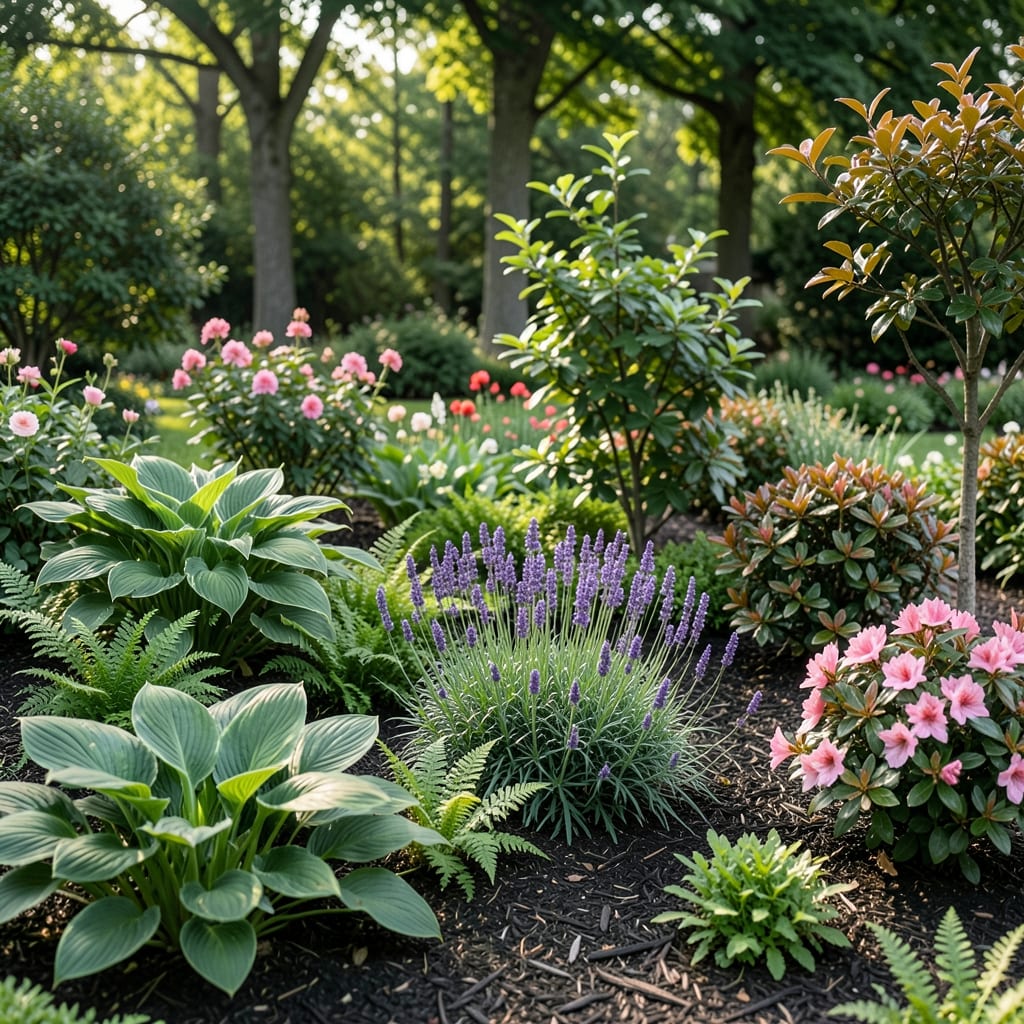
Explore local botanical gardens featuring diverse plant collections, themed gardens, and educational exhibits. Many offer seasonal displays, guided tours, and family-friendly activities just a short drive away.
I love how these green spaces often showcase rare species you won’t find elsewhere, like orchid conservatories or Japanese Zen gardens. They also serve as vital hubs for plant conservation and education, offering workshops on sustainable gardening and ecosystem preservation. 🌟
Planning a visit during spring or fall means catching peak blooms, while summer evenings might feature special events like outdoor concerts or plant sales.
💡 In This Article
These gardens often host species like the corpse flower (Amorphophallus titanum), which blooms only every 7-10 years and emits a scent mimicking rotting meat to attract pollinators. The controlled microclimates in glasshouses allow tropical plants like bird-of-paradise or bromeliads to thrive in non-native environments. 🌟
Conservation is central to their mission. Many participate in seed banking, preserving genetic diversity of endangered plants like the Pennantia baylisiana, one of the world’s rarest trees. Their research on pollinator-friendly species helps restore declining bee and butterfly populations in local ecosystems.
Educational programs often include hands-on workshops where visitors learn propagation techniques like air layering or grafting. These methods help maintain rare hybrids that might otherwise disappear. For example, the Franklin Tree (Franklinia alatamaha), extinct in the wild, survives today only through cultivation in gardens like these.
Themed sections recreate global biomes, from arid deserts with saguaro cacti to humid rainforests with towering ficus trees. These spaces not only educate but also provide critical habitats for local wildlife, including birds and beneficial insects that support biodiversity.
Seasonal rotations ensure year-round interest. Spring might feature 10,000+ tulips in bloom, while autumn showcases rare maple varieties with foliage in shades of crimson and gold. The curated color palettes are designed to highlight how plants interact with light and soil composition.
Many gardens also incorporate art installations, blending horticulture with sculpture to create immersive experiences. These elements often reflect cultural themes, like a Japanese tea garden paired with traditional stone lanterns and koi ponds. ✨
Wear comfortable walking shoes and bring a refillable water bottle, sunscreen, and a hat. Most gardens span 5-50 acres with lots of walking paths.
Yes! Many have children’s gardens with interactive features like scavenger hunts or water play areas. Pack a picnic for designated spots.
Early morning at opening offers the best lighting and fewer crowds. Check peak bloom calendars online for seasonal highlights.
If you plan to visit often, yes! Membership usually pays for itself in 2-3 visits with perks like free admission and guest passes.