
Beautiful Plants For Your Interior
Beautiful Plants For Your Interior
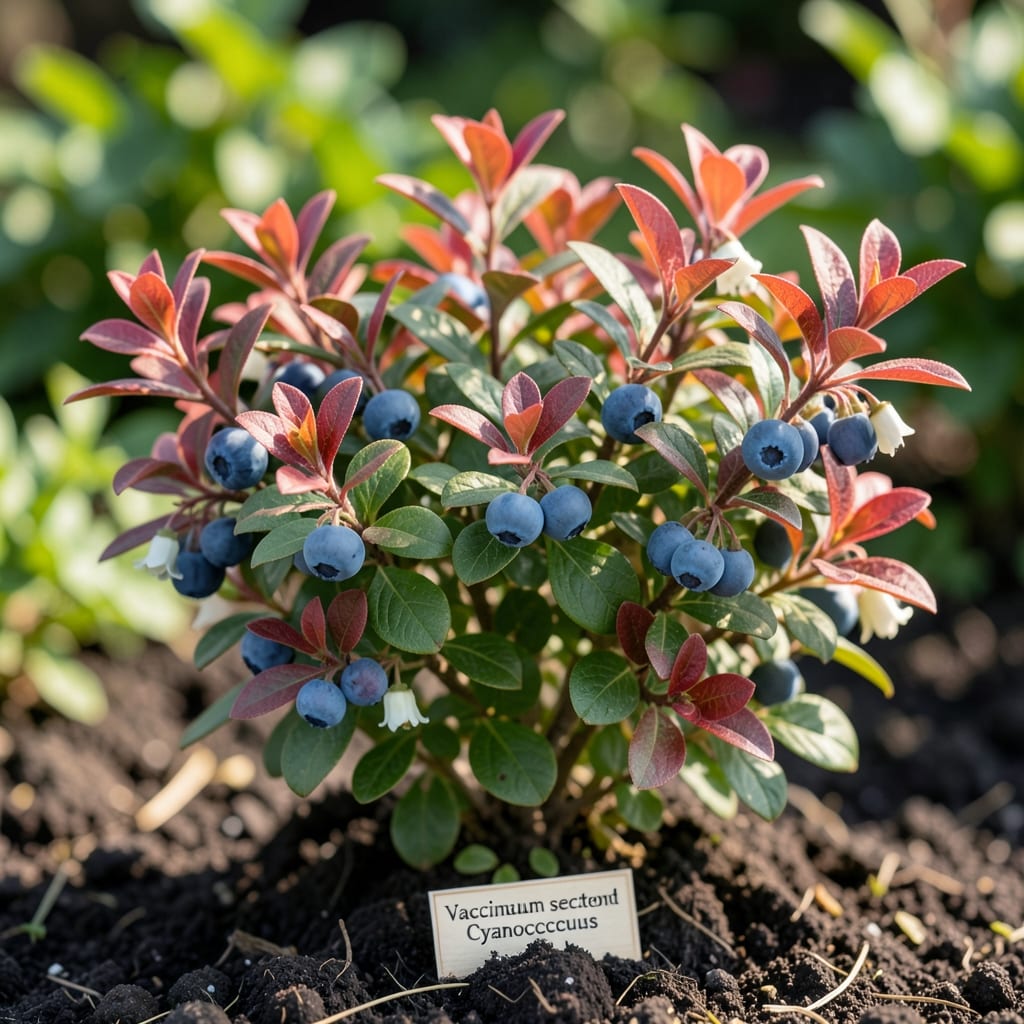
Red leaves on blueberry plants always catch me off guard—that first flash of burgundy among the green. I’ve seen this happen when the soil pH drifts too high, or when phosphorus gets locked out of the roots.
Sometimes it’s just the season talking—cool nights in fall can paint leaves red. But if it’s spring or summer, that’s your plant waving a white flag about stress, nutrition, or even a fungal visitor.
Fixing it starts with a soil test and a close look at watering habits. Most times, a little sulfur to lower pH or a balanced fertilizer brings back that healthy green fast.
Between you and me, the solution is usually simpler than the panic feels.
Blueberry plants with red leaves often signal an underlying issue. Here’s why it happens:
Extreme heat or cold can trigger anthocyanin production, the pigment responsible for red hues. Blueberries thrive in 60–75°F (15–24°C). Below 45°F (7°C) or above 85°F (29°C), leaves may turn red to protect cells from damage. Action: Use shade cloth in summer or row covers in fall to stabilize temperatures.
Low phosphorus (P) or magnesium (Mg) often causes reddish-purple leaves, especially in older foliage. Blueberries need acidic soil (pH 4.5–5.5) to absorb these nutrients. Action: Test soil and amend with bone meal (for P) or Epsom salt (for Mg).
If soil pH drifts above 5.5, iron and manganese become unavailable, leading to interveinal reddening (red veins, green tissue). Action: Lower pH with sulfur or peated pine bark mulch—retest every 2–3 months.
Fungal infections like root rot or pests such as spider mites stress plants, redirecting energy to defense mechanisms (like anthocyanins). Action: Improve drainage for root rot; use neem oil for mites.
Intense sunlight can scorch leaves, turning tips or edges red. Common in young plants or those suddenly exposed. Action: Gradually acclimate plants to full sun or provide afternoon shade.
If your blueberry plant’s leaves are turning red, don’t panic—here’s how to diagnose and fix the issue with practical solutions.
Red leaves often signal a phosphorus or magnesium deficiency. Test your soil (kits are inexpensive and easy to use). If levels are low:
Prevention tip: 💡 Mulch annually with pine bark or needles to maintain acidity and nutrient levels.
Extreme temperatures or poor drainage can stress the plant. Try these fixes:
Prevention tip: ✨ Plant in raised beds if your soil stays waterlogged.
Fungal infections or pests (like spider mites) can cause reddening. Act fast:
Prevention tip: 🎯 Space plants 4–6 feet apart to reduce humidity buildup.
Yes, it’s completely natural! Cool autumn temperatures trigger anthocyanin production, turning leaves red as part of the plant’s seasonal cycle.
New growth typically appears green within 2-3 weeks after adjusting soil pH. Existing red leaves may not fully recover, but healthy new ones will emerge.
Overwatering leads to root stress and poor nutrient uptake, which can cause reddish discoloration. Let soil dry slightly between waterings.
Use a soil pH test kit from any garden center. For $10-$15, you’ll get results in minutes. Avoid guesswork—testing is crucial for blueberries.