
Beautiful Plants For Your Interior
Beautiful Plants For Your Interior
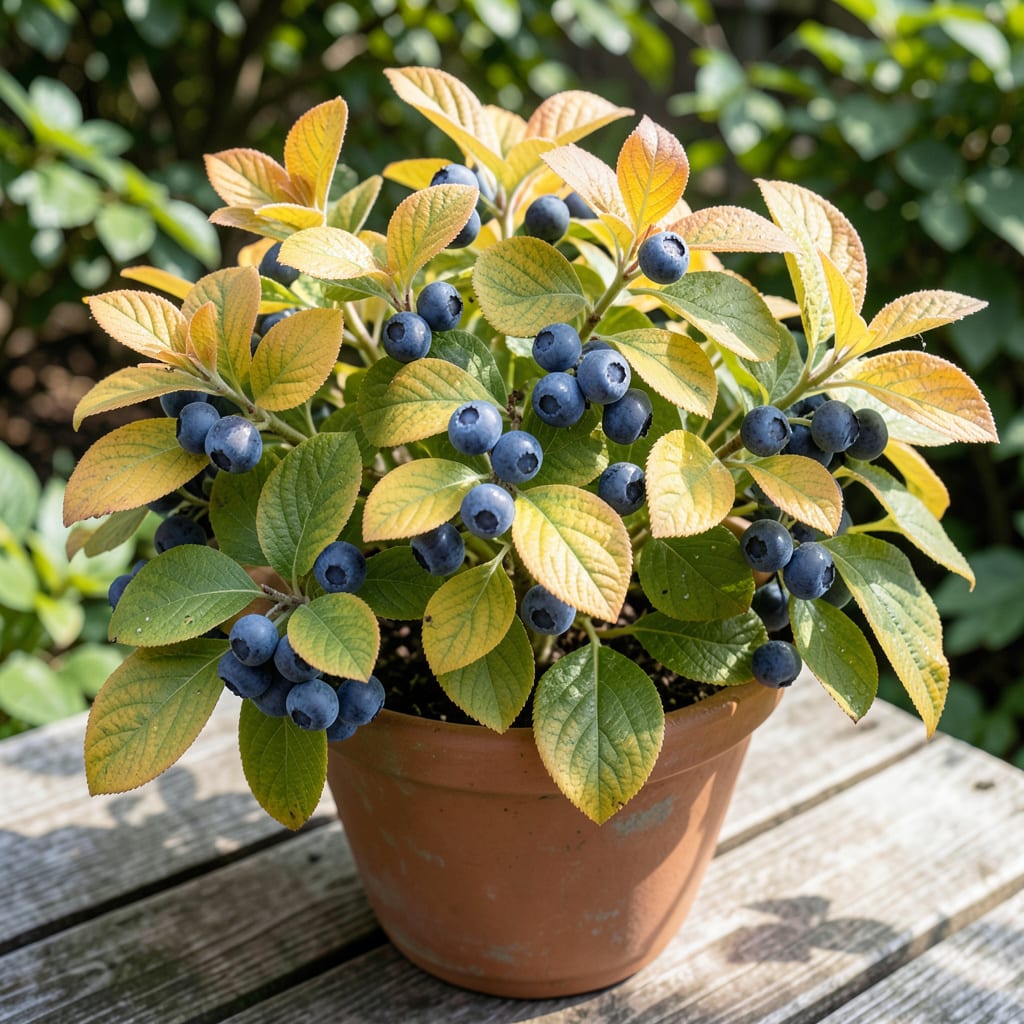
Yellow leaves on blueberry plants had me stumped for a season. I watched my bushes struggle, their vibrant green fading to sickly yellow right when I expected a harvest.
Turns out, it’s rarely just one issue—usually 3-4 factors working together. Soil pH, nutrient gaps, water stress, or even too much love can trigger the color change. The good news? Each cause has a clear fix.
With the right adjustments, those leaves turn green again within 2-3 weeks. More importantly, you’ll prevent the problem from returning next season. No fancy equipment needed—just observation and simple interventions.
Works for container plants, backyard bushes, or commercial patches. Let’s diagnose and revive those berry producers.
Yellow leaves on blueberry plants often signal underlying issues that disrupt chlorophyll production or nutrient uptake. Below are the most common causes, explained with actionable insights.
Blueberries thrive in acidic soil (pH 4.5–5.5). A nitrogen deficiency causes uniform yellowing (chlorosis) of older leaves first, as the plant redistributes nitrogen to new growth. Iron or magnesium deficiencies trigger interveinal yellowing—leaves turn yellow while veins stay green—due to poor uptake in alkaline soils. Test soil pH and amend with sulfur or chelated iron if needed.
Soggy roots suffocate the plant, blocking oxygen and nutrient absorption. This leads to yellowing, wilting, or leaf drop. Blueberries need consistent moisture but hate “wet feet.” Ensure pots have drainage holes or improve garden soil with organic matter like pine bark to enhance aeration.
Extreme heat, drought, or sudden temperature swings stress blueberries, causing leaves to yellow and drop prematurely. Mulch with 2–3 inches of pine needles to retain moisture and regulate soil temperature. Shield plants from harsh afternoon sun in scorching climates.
Phytophthora root rot or anthracnose can turn leaves yellow or brown. These pathogens thrive in wet conditions. Prevent by spacing plants for airflow, avoiding overhead watering, and applying copper-based fungicides only if confirmed via lab testing.
Yellow leaves on your blueberry plant are a call to action. Here’s how to diagnose and fix the most common causes, with prevention tips to keep your plant thriving.
Nitrogen or iron shortage: Apply a balanced, acid-loving fertilizer (like one for azaleas) to restore nutrients. For iron, use chelated iron supplements or work compost into the soil. Prevention: Test soil annually and amend with organic matter.
Overwatering: Let the top inch of soil dry out between waterings. Ensure pots have drainage holes. Underwatering: Water deeply 2–3 times a week, especially in heat. Prevention: Mulch with pine bark to retain moisture without sogginess.
Too much shade: Move potted plants to a sunnier spot (6+ hours of light). High pH: Lower soil pH to 4.5–5.5 with sulfur amendments or peat moss. Prevention: Use rainwater or distilled water to avoid alkaline tap water buildup.
Spider mites/aphids: Spray leaves with neem oil or insecticidal soap. Fungal issues: Remove affected leaves and improve airflow. Prevention: Inspect plants weekly and avoid overhead watering.
Pro tip 💡: Yellow leaves won’t turn green again—focus on new growth after fixing the issue!
No, once leaves turn yellow they won’t regain their green color. Focus on fixing the underlying issue to support healthy new growth. Remove yellow leaves to redirect the plant’s energy.
Water deeply 2-3 times per week during dry spells. Keep soil consistently moist but not soggy. Use the finger test—water when the top 1 inch of soil feels dry.
Blueberries thrive in acidic soil with a pH between 4.5-5.5. Test your soil and amend with sulfur or peat moss if needed. Avoid alkaline soil, which can cause nutrient deficiencies.
Tap water may contain minerals that raise soil pH over time. Use rainwater or distilled water when possible. If using tap water, test soil pH regularly and adjust as needed.
