
Beautiful Plants For Your Interior
Beautiful Plants For Your Interior
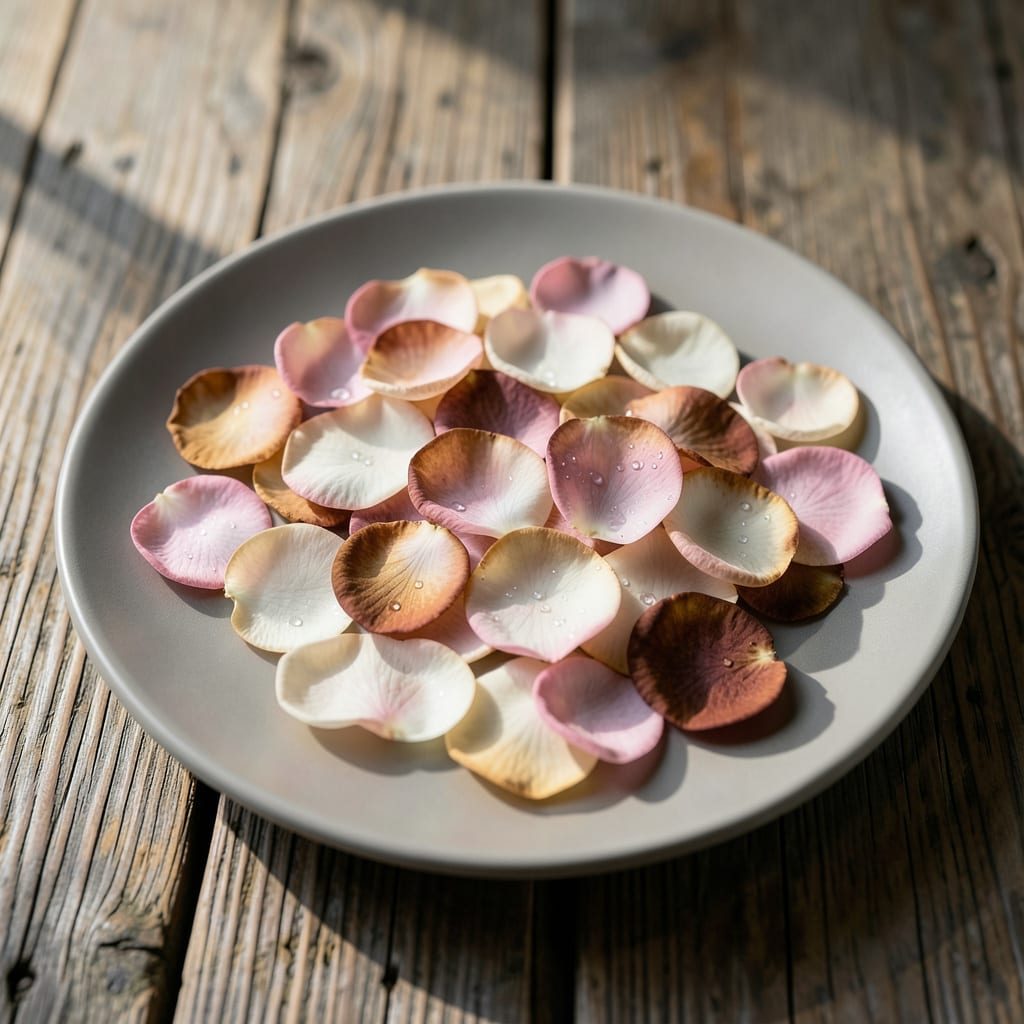
Brown edges on rose petals ruined my first garden party bouquet. 🌹 Now I spot the warning signs early—dry tips, crispy margins, or darkening that spreads inward like a slow burn.
Most causes trace back to 3 common culprits: underwatering, chemical burn from fertilizers, or fungal infections that thrive in damp conditions. The fix often starts with adjusting your watering routine and checking soil moisture at 2-inch depth.
Natural remedies like neem oil, baking soda sprays, or simply improving airflow can stop the spread within a week. Your roses will rebound with healthier petals and stronger stems.
Prevention means consistent care, not constant worry. Early morning watering and proper spacing keep most problems from starting.
Understanding why your rose petals develop brown edges starts with identifying the underlying stressors. Here are the most frequent culprits, explained scientifically yet practically:
Extreme heat or cold disrupts cellular function in petals. High temperatures accelerate water evaporation, leading to desiccation and browning at the edges, while frost damages cell membranes. Roses thrive in 60–75°F (15–24°C) ranges; beyond this, protective measures like shading or mulching are essential.
Both underwatering and overwatering trigger edge browning. Drought stress causes xylem cavitation, where air bubbles block water transport, starving petals of moisture. Conversely, soggy soil suffocates roots, reducing nutrient uptake. Aim for 1–2 inches of water weekly, adjusting for rainfall and soil drainage.
Pathogens like Botrytis cinerea (gray mold) or Cercospora (leaf spot) thrive in humid conditions, infecting petals and causing necrotic (brown) margins. These fungi secrete enzymes that break down cell walls. Prevent spread by removing infected blooms and improving air circulation around plants.
A lack of potassium or magnesium weakens petal tissues. Potassium deficiency impairs water regulation, while magnesium is vital for chlorophyll production—its absence leads to interveinal chlorosis (yellowing) followed by browning. Conduct a soil test and amend with organic compost or targeted fertilizers.
Excess salts from fertilizers or hard water accumulate in petal edges, causing osmotic stress. Similarly, herbicide drift or improper pesticide use can scorch tissues. Flush soil with water to leach salts, and always follow label instructions for chemical applications.
Addressing the issue of brown edges on rose petals starts with identifying the root cause. Below are targeted fixes for common problems, along with prevention tips to keep your roses vibrant.
Fix: Move potted roses to a shaded area during peak sun hours (10 AM–4 PM) or use shade cloth. For in-ground roses, ensure they receive morning sun and afternoon shade. Water deeply in the early morning to help them withstand heat.
Prevention: Plant heat-tolerant varieties like Rosa chinensis or apply a layer of mulch to retain soil moisture.
Fix: Check soil moisture 2 inches deep—water if dry, or hold off if soggy. Use drip irrigation for consistent moisture and avoid wetting the petals. For overwatered roses, improve drainage by amending soil with compost or sand.
Prevention: Water roses at the base (not overhead) 2–3 times weekly, adjusting for rainfall. Use a moisture meter for precision.
Fix: Remove affected petals and leaves, then apply a baking soda spray (1 tsp baking soda + 1 quart water + a few drops of dish soap). For severe cases, use neem oil or copper fungicide, following label instructions.
Prevention: Space plants for airflow, avoid overhead watering, and clean up fallen debris to reduce fungal spores.
Fix: Test soil pH (ideal: 6.0–6.5). Amend with lime to raise pH or sulfur to lower it. Apply a balanced rose fertilizer (10-10-10) or organic options like compost tea. For magnesium deficiency (yellowing + brown edges), use Epsom salt (1 tbsp per gallon of water) as a foliar spray.
Prevention: Feed roses every 4–6 weeks during growing season and rotate nutrient sources.
Fix: Spray roses with insecticidal soap or introduce beneficial insects like ladybugs to control aphids and thrips. Prune heavily infested areas to limit spread.
Prevention: Inspect leaves and petals weekly. Companion plant with marigolds or garlic to deter pests naturally.
💡 Pro Tip: Always sterilize pruning tools with rubbing alcohol between cuts to prevent disease transmission!
Not always. While soggy soil can cause browning, underwatering is more common. Check soil at 2-inch depth—if dry, increase watering. If soggy, improve drainage with compost or sand.
Yes! Extreme heat dries petals quickly. Move potted roses to shade during peak sun (10 AM–4 PM), and water deeply in early morning. Mulch helps retain moisture.
Remove brown-edged petals immediately to prevent fungal spread. Sterilize tools with rubbing alcohol between cuts for best results.
A baking soda mix (1 tsp per quart of water + dish soap) stops fungal growth. Apply weekly or after rain. Neem oil is another great organic option.
