
Beautiful Plants For Your Interior
Beautiful Plants For Your Interior
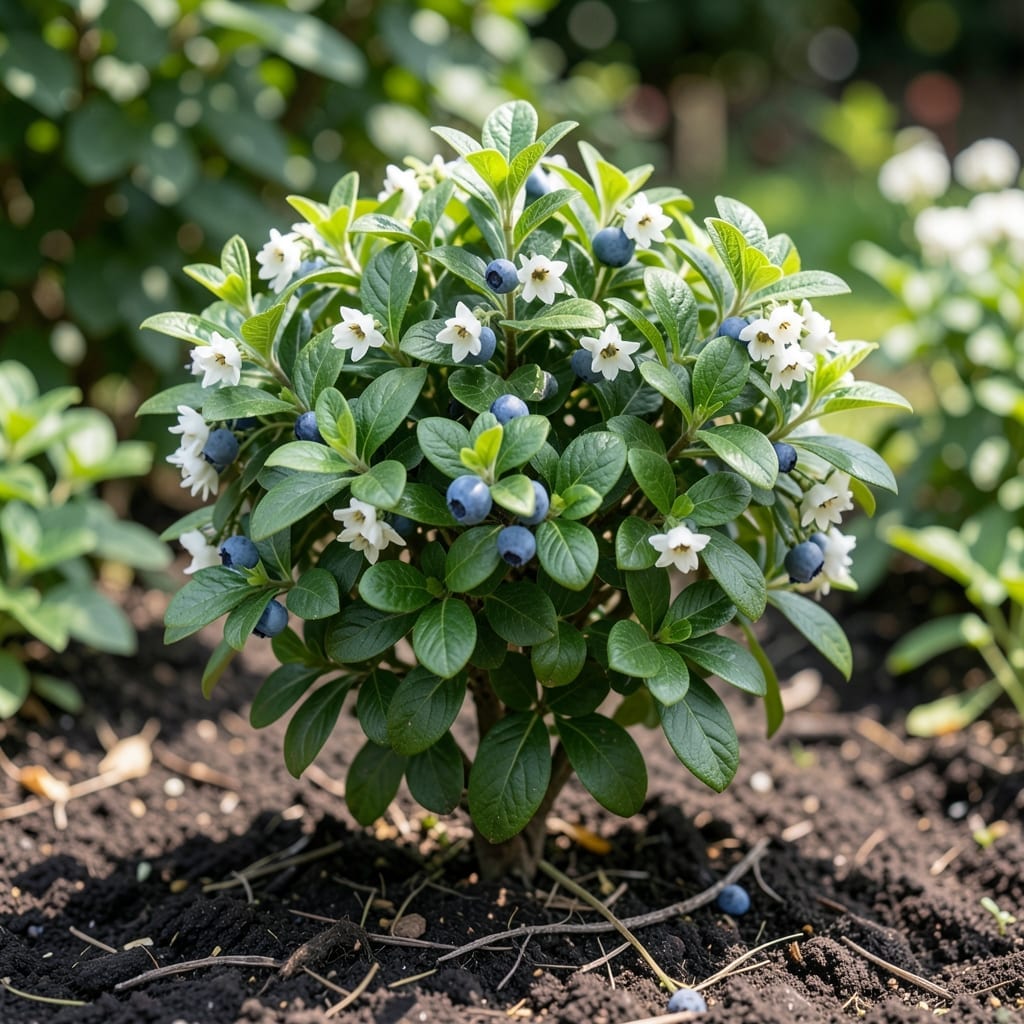
If your 🫐 Blueberry Bush isn’t producing as it should, sunlight might be the missing piece. These plants have specific needs that can make or break your harvest.
I’ve learned that even small adjustments to sun exposure can lead to bigger, sweeter berries. The key is understanding what works best for your particular variety and climate.
Let me show you how to optimize light conditions for thriving bushes. With the right approach, you’ll see a noticeable difference in growth and fruit quality.

Getting the sun exposure right is crucial for healthy blueberry bushes. Each variety has unique needs that directly impact fruit production and plant vigor. I’ve seen firsthand how proper sunlight transforms struggling bushes into thriving, fruit-laden plants.
From highbush to rabbiteye types, the ideal light conditions can vary. Understanding these differences helps you create the perfect growing environment for your specific blueberry variety.
| Variety | Sun Needs | Notes |
|---|---|---|
| Highbush | Full sun, 6-8 hours | Best in zones 5-7, tolerates partial shade |
| Lowbush | Full to partial sun, 4-6 hours | Cold-hardy, thrives in cooler climates |
| Rabbiteye | Full sun, 8+ hours | Heat-tolerant, ideal for southern zones |
In my experience, highbush blueberries perform best with full morning sun and some afternoon shade in hotter climates. This balance prevents leaf scorch while ensuring ample light for fruit development.
Lowbush varieties are more adaptable to shadier conditions, but they still need at least 4-6 hours of sun to produce a decent harvest. I’ve noticed they tend to have smaller berries when light is limited.
For rabbiteye blueberries, the more sun the better. These bushes can handle intense heat, and I’ve seen them thrive in full sun locations where other varieties might struggle. Their deep roots help them endure drought conditions.
If you’re in a hot climate, consider planting your bushes where they’ll get morning sun and afternoon shade. This protects them from the most intense heat while still providing enough light for growth.
In cooler regions, maximize sun exposure by placing bushes in the southeast or southwest areas of your garden. This ensures they get the longest possible light exposure during shorter days.
Remember that seasonal changes affect sunlight patterns. In summer, your bushes might get more light than you expect, while in winter, they’ll need every bit of sun they can get to maintain health.
I always recommend observing your garden’s sunlight patterns throughout the day before planting. Use a simple sunlight calculator or mark sunny spots with stakes to track light exposure.
Your blueberry bushes might be struggling silently if they aren’t getting enough sun. I’ve seen many gardeners overlook subtle signs that their plants are light-deprived until it’s too late to fix the issue.
Watch for stunted growth, smaller berries, or fewer fruits than expected. These are classic red flags that your bushes need more light to thrive and produce abundantly.
⚠️ Warning: Without enough light, your blueberry bushes may show yellowing leaves, weak stems, or reduced flowering. Act fast to avoid long-term damage.
Another telltale sign is leaf discoloration, particularly yellowing between the veins. This often indicates chlorosis, which can result from poor light conditions combined with nutrient deficiencies.
If your bushes are leaning toward the light, they’re literally reaching for more sun. This is a clear signal to relocate them or adjust their environment to capture additional sunlight.
Poor fruiting is perhaps the most frustrating sign. Even if your bushes look healthy, if they’re not producing plump, sweet berries, insufficient light could be the culprit. I’ve found that moving plants to sunnier spots often solves this issue.
To correct light deficiencies, prune nearby trees or relocate potted bushes to brighter areas. In my garden, I use reflective mulches to bounce extra light onto my blueberry plants, which has significantly improved their yield.
Regularly monitor sunlight patterns in your garden, especially as seasons change. What worked in spring might not suffice in summer or fall when the sun’s angle shifts.