
Beautiful Plants For Your Interior
Beautiful Plants For Your Interior
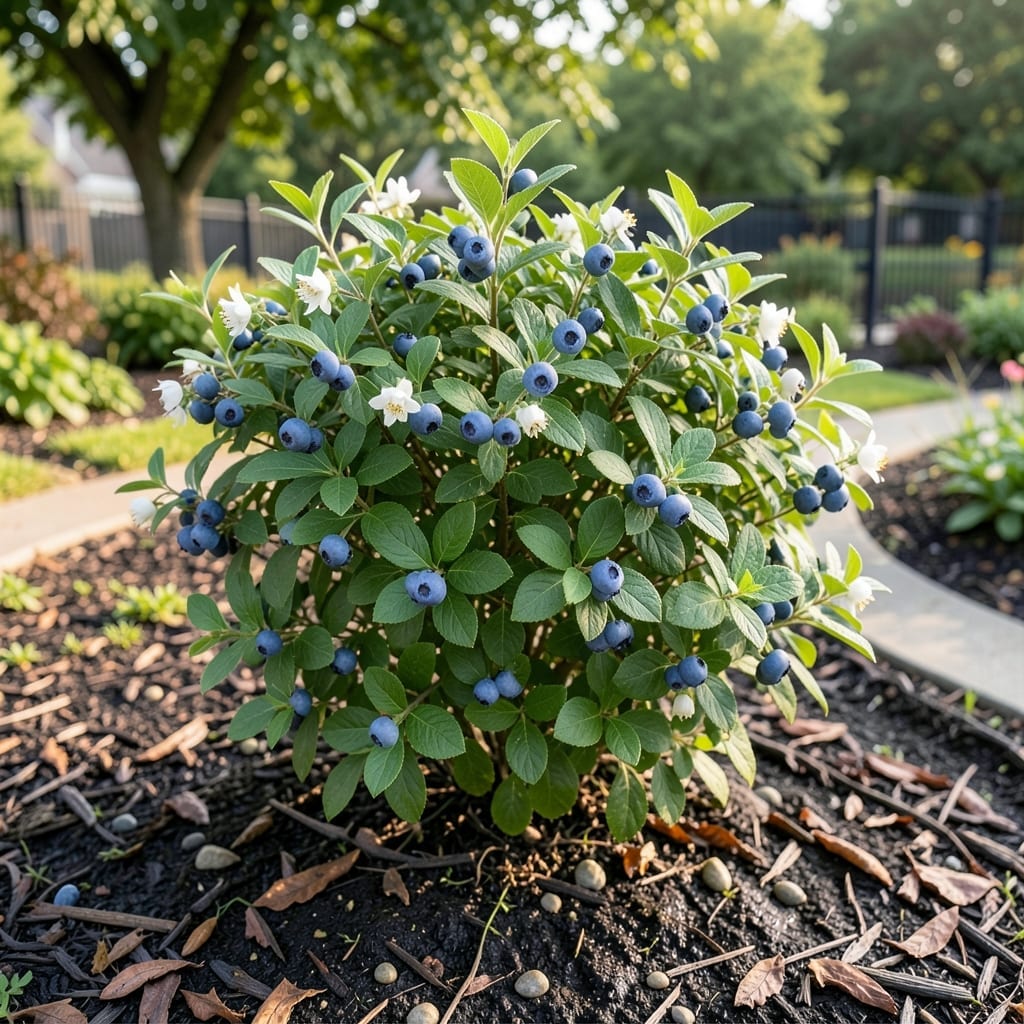
New growth on blueberry bushes appears as bright green or reddish shoots emerging from the base or along stems in spring. Healthy shoots are flexible, vibrant, and free of spots or wilting.
I’ve noticed these fresh shoots often emerge with a slightly fuzzy texture, which helps distinguish them from older, smoother wood. Spring is the prime time to spot this growth, as the plant channels energy into producing new stems. 🌟
Encouraging this development starts with proper care—ensuring the soil stays acidic and providing consistent moisture without waterlogging.
💡 In This Article
New shoots emerge from the crown or along existing canes, often displaying a distinct reddish hue that gradually transitions to green as they mature. This color change happens because anthocyanins—the pigments responsible for red, purple, and blue colors in plants—are more concentrated in younger tissues, especially when exposed to sunlight and cooler spring temperatures.
The texture of new growth is another key identifier. While mature blueberry canes develop smooth, grayish bark, fresh shoots often feel slightly fuzzy or velvety to the touch. This fuzziness comes from tiny hair-like structures called trichomes, which help protect the tender new growth from excessive moisture loss and insect damage.
Seasonal timing is crucial for spotting new growth. Blueberry bushes typically push out new shoots in early to mid-spring, when soil temperatures reach about 50-60°F. This is when the plant’s internal clock, triggered by increasing daylight and warming conditions, signals it to redirect energy from root development to aboveground growth. 🔥
Healthy new growth will feel flexible when gently bent, snapping back into place rather than breaking. In contrast, diseased or stressed shoots may appear stunted, discolored, or brittle. Watch for signs like blackened tips, which can indicate frost damage, or yellowing leaves, which often signal nutrient deficiencies or improper soil pH.
For comparison, old wood on blueberry bushes is typically thicker, with a woody texture and a more muted color palette ranging from brown to gray. Unlike new growth, these mature canes won’t have the vibrant hues or soft texture, and they serve as the framework that supports the plant’s structure and fruit production.
Pro tip: If you see new shoots emerging from the very base of the bush, these are called “suckers” and can indicate a healthy, vigorous plant. However, if too many form, they can crowd the center and reduce air circulation, which increases disease risk. ✨
New growth typically appears in early to mid-spring when soil temperatures reach 50-60°F. This is when the plant redirects energy toward aboveground development.
Healthy shoots are flexible, vibrant, and free of spots or wilting. They often start reddish and turn green as they mature, with a slightly fuzzy texture. Brittle or discolored shoots may signal problems.
Late frosts can damage tender new growth, causing browning or blackening. Protect plants with frost cloth when temperatures drop below 28°F. This prevents setbacks in development.
Avoid pruning new shoots in spring, as this removes potential fruit-bearing wood. Focus on removing old, dead, or diseased canes in late winter instead.