
Beautiful Plants For Your Interior
Beautiful Plants For Your Interior
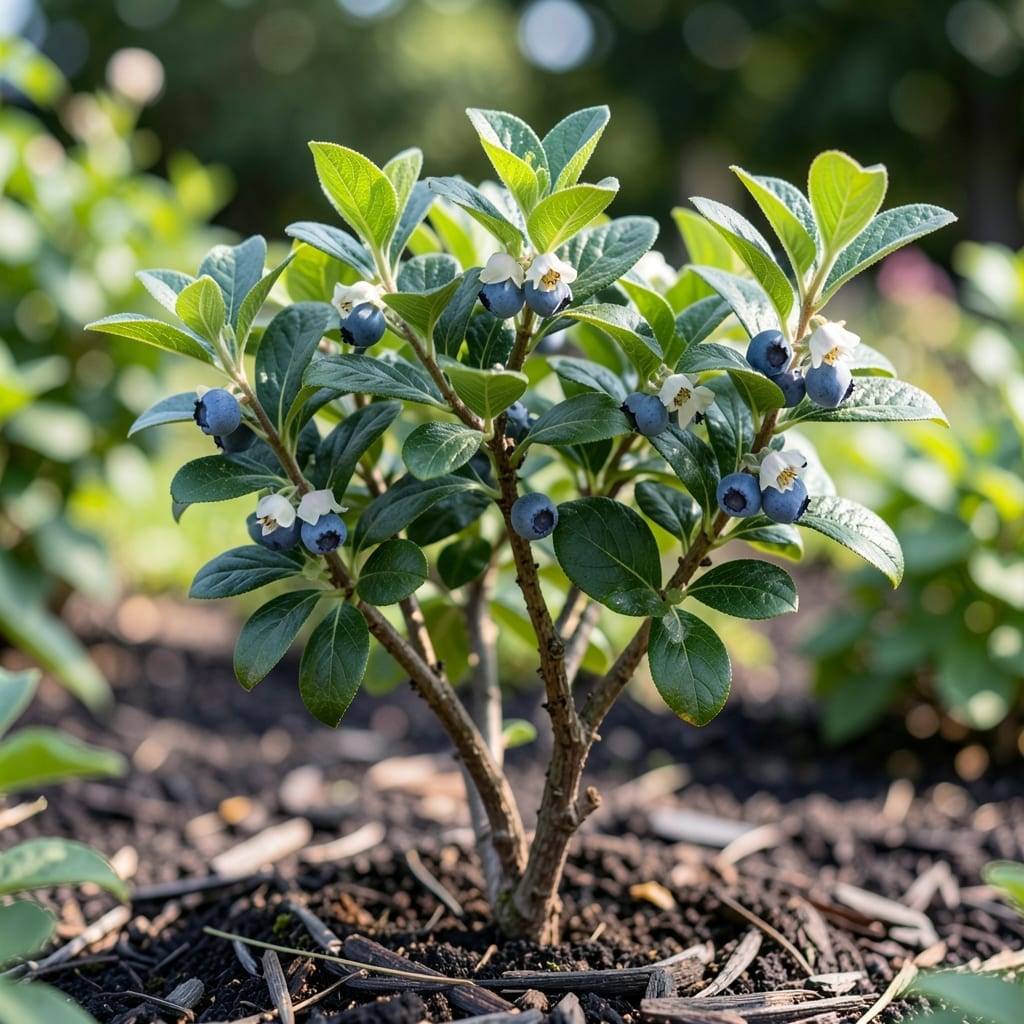
Ohio’s acidic soils and climate support blueberry cultivation, with southern highbush and half-high varieties thriving best. Plant in full sun with well-drained, amended soil for optimal growth and fruit production.
I’ve found that Ohio’s USDA zones 5-6 are ideal for these berries because they tolerate both summer heat and winter chills. The key is preparing soil with plenty of organic matter, as blueberries struggle in heavy clay. 🔥
Early varieties like Duke and Bluecrop do especially well, offering consistent yields and great flavor for fresh eating or baking.
💡 In This Article
Ohio’s USDA zones 5-6 favor cold-hardy cultivars that survive winter lows of -10°F to -20°F. Southern highbush varieties like Bluecrop and Duke excel here, balancing cold tolerance with large, flavorful berries. These hybrids inherit the cold resilience of northern highbush while maintaining the productivity of southern types. 🔥
Half-high varieties, such as Northblue and St. Cloud, are another top choice. These are crosses between lowbush and highbush types, reaching 2-4 feet tall with a compact growth habit. They ripen in mid to late summer, producing small but intensely sweet berries ideal for jams or fresh snacking.
Early-season pickers should consider Earliblue, which ripens in late June, while late varieties like Jersey extend the harvest into August. Each cultivar offers distinct flavor notes—Duke has a mild, balanced taste, whereas Bluecrop delivers a tangier punch. This diversity lets gardeners stagger harvests across the season.
What sets Ohio-friendly varieties apart is their ability to thrive in the state’s acidic, well-drained soils. The pH range of 4.0-5.2 is critical, as it allows roots to absorb iron and other nutrients efficiently. Without this acidity, blueberry plants often develop yellow leaves from chlorosis, a common issue in neutral or alkaline soils.
For container gardening, dwarf varieties like Top Hat perform exceptionally well. These compact bushes reach only 1-2 feet tall but produce abundantly in pots with proper care. They’re perfect for patios or small spaces where in-ground planting isn’t feasible. ✨
Early spring or late fall are ideal for planting bare-root bushes. This timing allows roots to establish before summer heat or winter freeze. Avoid planting during extreme temperatures.
Amend soil with elemental sulfur or peat moss months before planting. Aim for a pH of 4.0-5.2. A soil test will confirm if adjustments are needed.
Southern highbush like Bluecrop and Duke are beginner-friendly, cold-hardy, and productive. Half-high types like Northblue also thrive with minimal effort.
Provide 1-2 inches of water per week during the first year. Keep soil consistently moist but not soggy to prevent root rot.
Ignoring soil pH is the top issue. Without acidic soil, plants develop yellow leaves and poor growth. Always test and amend soil before planting.