
Beautiful Plants For Your Interior
Beautiful Plants For Your Interior
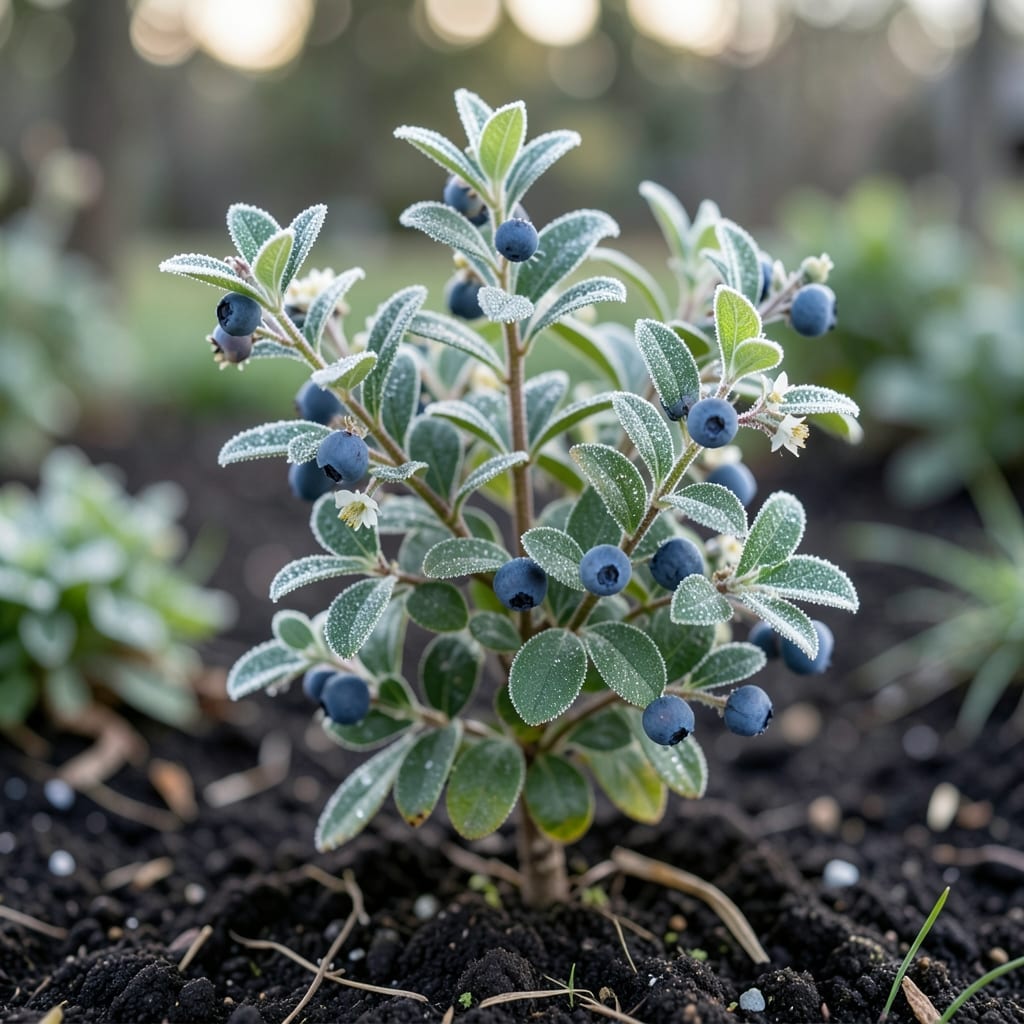
Blueberries can tolerate light frost but sustained freezing temperatures damage flowers and fruit. Established plants survive brief cold, while young shoots and blossoms are most vulnerable to frost injury.
I’ve learned through experience that timing is key with blueberry frost protection. Late spring frosts are particularly dangerous because they often coincide with blooming periods when plants are most sensitive. Even a single night below 28°F can wipe out a season’s potential harvest if the flowers are open. ✨
What works best for me is using row covers or old blankets to trap heat from the soil. I also position my plants where they’ll get morning sun, which helps thaw frost faster and reduces damage duration. 💫
💡 In This Article
Blueberry plants have varying vulnerabilities to frost. The flower buds are the most sensitive, often dying at 24-28°F, while open blossoms can be damaged at just 28°F for even 30 minutes. This is because the reproductive structures lack the protective mechanisms found in other plant parts.
The cold disrupts cellular membranes, causing ice crystals to form inside the cells, which leads to irreversible damage. 🔥
Young shoots and new leaves are next in line for frost injury. These tender growths can blacken and die back at temperatures below 25°F. The damage appears as water-soaked spots that turn brown or black within 24-48 hours. Established canes and woody stems are more resilient, typically surviving down to 10-15°F without permanent harm.
The root system is the most cold-hardy part, often surviving sub-zero temperatures when properly mulched.
Timing matters critically. Frost in early spring may damage flower buds but allows the plant to produce new ones. However, frost during full bloom can destroy 80-100% of the potential fruit set. Late frosts after fruit set often cause the berries to drop prematurely or develop with deformities.
The plant’s growth stage at the time of frost exposure determines both the type and severity of damage.
The plant’s internal biology also plays a role. Blueberries contain natural antifreeze proteins that increase slightly during cold acclimation in fall. However, these protections diminish during warm spells, making plants more vulnerable to sudden cold snaps. The water content in plant tissues is another factor—higher moisture levels make cells more susceptible to freezing damage.
Environmental conditions during frost events can amplify damage. Clear, calm nights allow for maximum radiational cooling, often dropping temperatures 5-10°F below the forecast low. Wind can either help by mixing warmer air downward or hurt by increasing cold stress on exposed tissues.
The duration of freezing temperatures is crucial—2 hours at 25°F causes far more damage than 30 minutes at the same temperature. ✨
Yes, mature canes and roots typically survive down to 10-15°F. However, flower buds and new growth may still suffer damage at these temperatures.
Open blossoms can only tolerate about 30 minutes at 28°F before damage occurs. Prolonged exposure will cause flower death and fruit loss.
Use old blankets or row covers secured at the edges. Avoid plastic. For small bushes, water sprinklers can maintain 32°F by releasing heat as water freezes.
Mulch protects roots but won’t shield blossoms or leaves. Use 4-6 inches of organic mulch combined with other methods for full protection.