
Beautiful Plants For Your Interior
Beautiful Plants For Your Interior
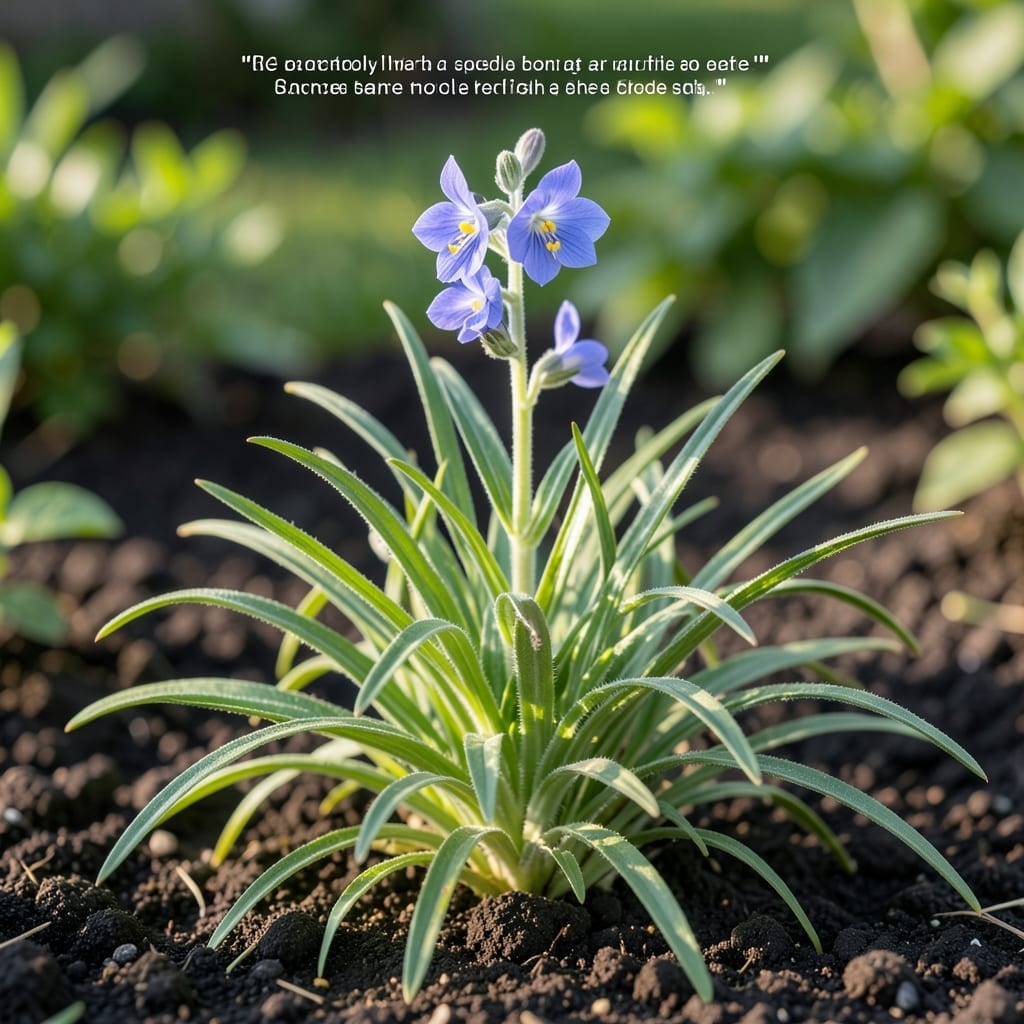
Blue spiderwort can become invasive in optimal conditions, spreading rapidly through self-seeding and rhizomes to form dense colonies that crowd out native plants.
I’ve seen this plant thrive in disturbed soils where competition is low, creating vibrant but overwhelming ground cover. 🌟 Its ability to self-sow prolifically means even a few overlooked plants can multiply into a monoculture within a season. Gardeners often underestimate how quickly it can dominate a space, especially in moist, well-drained areas with full sun to partial shade.
💡 In This Article
This plant’s aggressive expansion starts with its prolific seed production. Each flower can produce dozens of capsules, with every capsule containing multiple seeds. In ideal conditions, a single plant may release 200-500 seeds per season, which remain viable in soil for 2-3 years.
The seeds spread via wind, water, or garden tools, germinating rapidly when soil temperatures reach 65-70°F. 🔥
Beneath the soil, the rhizome system works as the second expansion engine. These horizontal underground stems can grow 1-2 feet per season, sending up new shoots every 6-8 inches. Unlike some plants with shallow roots, spiderwort rhizomes can extend 12-18 inches deep, making them resilient against drought and manual removal attempts.
The interconnected network allows colonies to share water and nutrients, creating a self-sustaining system.
Optimal conditions accelerate both spreading mechanisms. Blue spiderwort thrives in disturbed soils with good drainage, preferring areas that receive 6-8 hours of sunlight daily. It particularly excels in gardens with regular irrigation or rainfall, as consistent moisture softens the soil for easier rhizome penetration.
What’s more concerning is its adaptability—this plant can tolerate partial shade and less ideal soils, though its growth rate slows. ✨
The combination of above-ground seeding and below-ground rhizome spread creates a double threat. While the seeds allow spiderwort to colonize new areas quickly, the rhizomes ensure dense, persistent patches that are difficult to eradicate. This dual strategy explains why even small, isolated plants can transform into large, monotypic stands within a single growing season. 💫
Gardeners often notice the first signs of trouble when they see dense clusters of grass-like foliage in spring. By the time the distinctive 3-petaled blue flowers appear in late spring to early summer, the underground network may already be extensive.
The flowers themselves, while beautiful, are part of the problem—they’re highly attractive to pollinators, which further aids seed distribution.
Under ideal conditions, it can form dense colonies within a single growing season. Expect rapid spread when soil is moist and temperatures are warm.
Yes, its aggressive root system and prolific seeding can overpower native species. The thick foliage blocks sunlight, reducing biodiversity in affected areas.
Containers with 12-18 inch depth prevent rhizome escape. Ensure pots have drainage holes and use quality potting mix for best results.
Early spring before new growth appears is ideal. At this stage, roots are shallow and easier to pull. Remove entire rhizomes to prevent regrowth.
Possibly if any rhizome fragments remain in the soil. Monitor the area for new shoots and remove them immediately to prevent re-establishment.