
Beautiful Plants For Your Interior
Beautiful Plants For Your Interior
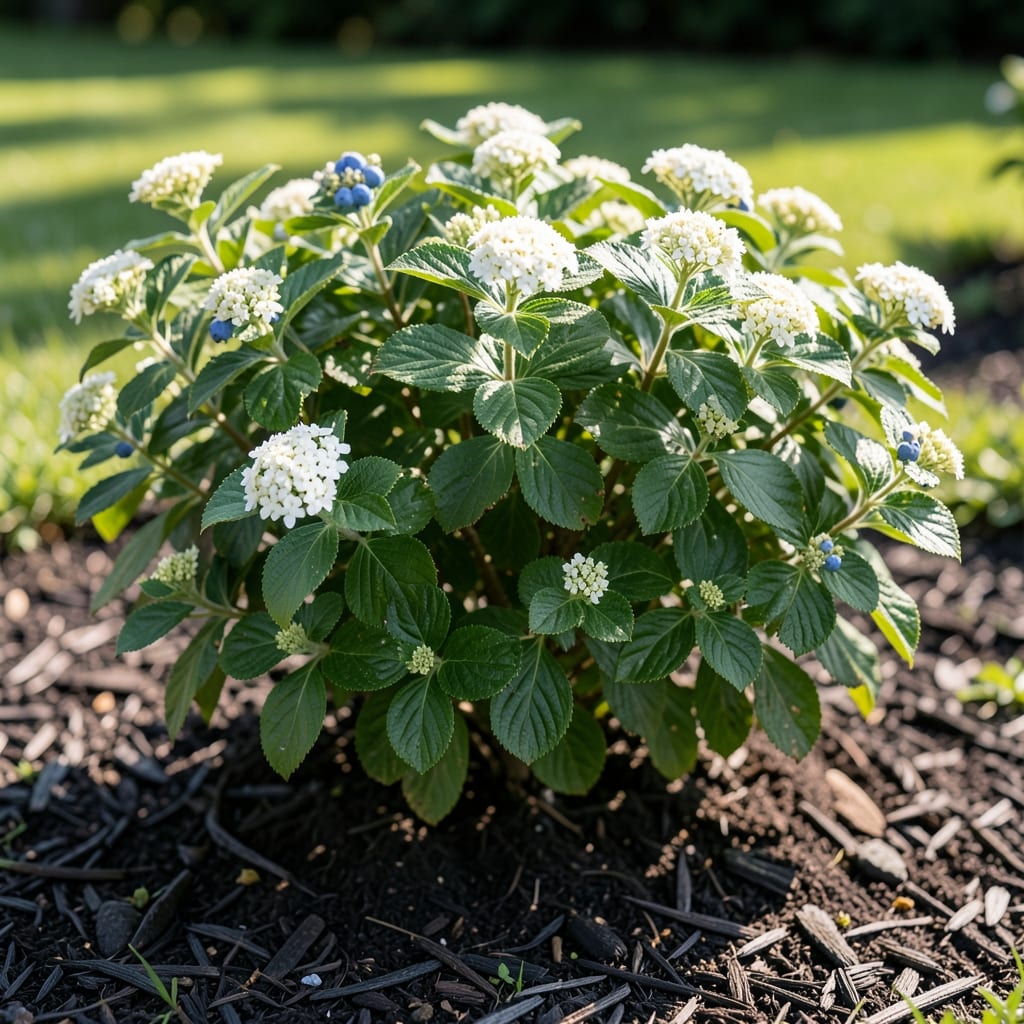
Blue Muffin viburnum berries are not considered highly poisonous to humans but may cause mild stomach upset if eaten in large quantities. They are non-toxic to pets, though excessive consumption could lead to digestive discomfort.
I’ve found these berries contain minimal toxic compounds compared to other ornamental plants, making them relatively safe in landscapes with curious pets or children. Digestive issues typically only arise from overconsumption, not from casual contact or accidental ingestion. This makes them a low-risk choice for gardeners seeking beauty without major safety concerns. ✨
💡 In This Article
The low toxicity comes from their chemical makeup. These berries contain minimal alkaloids or glycosides—compounds that make other plants like foxglove or nightshade deadly. Instead, they’re packed with vitamin C and antioxidants, similar to edible blueberries but with a more astringent taste. Their mild bitterness acts as a natural deterrent, preventing overconsumption. 🔥
What sets them apart is their saponin content—a soap-like compound that can irritate the digestive tract in large amounts. However, the concentration is so low (0.1-0.5%) that you’d need to eat dozens of berries to feel any effects. For comparison, holly berries contain 3-5% saponins, making them far more dangerous.
This explains why Blue Muffin viburnum berries rarely cause issues beyond mild nausea. ✨
For pets, the story is similar. Dogs and cats lack the enzymes to break down plant saponins efficiently, but the amount in Blue Muffin berries is negligible. A 50-pound dog would need to consume 1-2 cups of berries to experience vomiting or diarrhea. Even then, symptoms are typically short-lived and resolve without veterinary intervention. 💫
This doesn’t mean they’re edible, though. The berries aren’t palatable raw, and their tannin levels (around 2-4%) give them a dry, puckering mouthfeel. Unlike serviceberries or elderberries, which can be cooked into jams, Blue Muffin viburnum berries remain firmly in the ornamental category.
Their primary value lies in their vibrant color and wildlife appeal, not their culinary potential. ⚡
The plant’s safety extends to its leaves and stems, which contain even fewer irritants. This makes Blue Muffin viburnum a standout choice for family gardens, offering year-round interest without the constant worry of accidental poisoning that comes with more toxic ornamentals like oleander or castor bean. 🌟
Most likely nothing serious. The berries contain minimal toxic compounds, so a small amount may cause a slightly upset stomach at most. Just monitor for any discomfort and offer water to help flush their system.
Yes, birds can safely eat them. The berries provide a natural food source for wildlife without the toxicity concerns that affect mammals. You’ll often see birds enjoying them in late summer and fall.
Watch for vomiting, diarrhea, or lethargy. A 50-pound dog would need to eat 1-2 cups to show these signs. If symptoms appear, contact your vet, though cases are rarely severe.
It’s not necessary, but you can prune off berry clusters if you have very young children or overly curious pets. This eliminates any risk while keeping the plant’s ornamental value.