
Beautiful Plants For Your Interior
Beautiful Plants For Your Interior
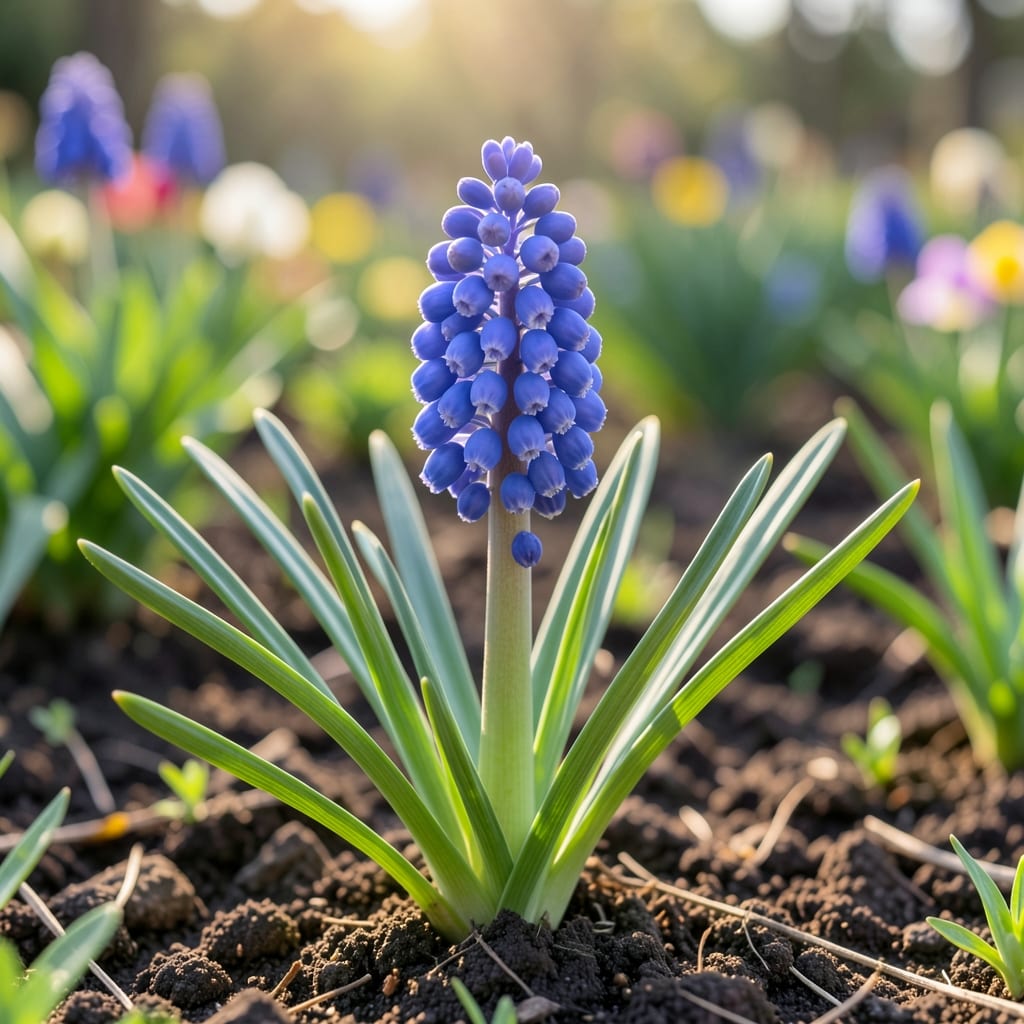
Early spring blue flowers include Virginia bluebells, grape hyacinths, and forget-me-nots, offering vibrant color when most plants are still dormant. These hardy perennials thrive in cool temperatures and partial shade.
I love how these blooms bring life to gardens just as winter fades. Virginia bluebells, for example, unfurl their bell-shaped blossoms in March to April, while grape hyacinths create dense, fragrant clusters. They’re perfect for borders or woodland gardens where sunlight is limited. ✨
What makes them special is their ability to flourish in 40-50°F soil, often before other plants wake up. This adaptability means you get color early without much fuss. 💫
💡 In This Article
Virginia bluebells stand out with their 1-2 foot height and trumpet-shaped blooms that start pink then turn a striking sky blue. They’re cold-hardy to USDA zone 3, meaning they can survive winter temps down to -40°F. Their bell-shaped flowers dangle in clusters, creating a charming, nodding effect in garden borders or woodland areas. 💫
Grape hyacinths form dense, 6-8 inch spikes packed with tiny, star-shaped blue florets that emit a subtle grape-like fragrance. These perennials thrive in zones 4-8 and often naturalize—spreading gradually to form vibrant, low-maintenance carpets. Their compact size makes them ideal for rock gardens or edging pathways. ✨
Forget-me-nots offer delicate, 5-petaled blue blossoms with white or yellow centers, blooming profusely for 4-6 weeks starting in early spring. They prefer moist, well-drained soil and partial shade, tolerating cooler temps as low as 40°F at night. Their self-seeding habit ensures yearly returns with minimal effort. 🔥
What ties these varieties together is their shared superpower: early blooming when soil temps hover around 45-55°F. This timing coincides with when pollinators like bees first emerge, making them ecological powerhouses. Their cold tolerance means they often push through late frosts unscathed. 🌟
Visually, they create stunning contrasts. Virginia bluebells’ tall stems tower over grape hyacinths’ ground-hugging clusters, while forget-me-nots fill gaps with their airy, sky-blue blooms. Together, they form a layered tapestry that evolves as spring progresses. ⚡
Grape hyacinths often lead the way, pushing through soil as early as late February in warmer zones. Virginia bluebells and forget-me-nots typically follow in March to April. Their timing depends on your climate and local frost dates.
Most early spring blue flowers prefer partial shade, especially in warmer climates. They’ve evolved to bloom before trees leaf out, so dappled sunlight works perfectly. Too much direct sun can scorch their delicate petals.
For self-seeding varieties like forget-me-nots, deadhead some (but not all) spent blooms to control spread. With grape hyacinths, dig up and divide clumps every 3-4 years to maintain boundaries. Virginia bluebells stay put but can be divided in fall.
Grape hyacinths are highly deer-resistant due to their strong fragrance. Virginia bluebells and forget-me-nots are less so—deer may nibble them in hungry times. Use repellents or plant in protected areas if deer are a problem.