
Beautiful Plants For Your Interior
Beautiful Plants For Your Interior
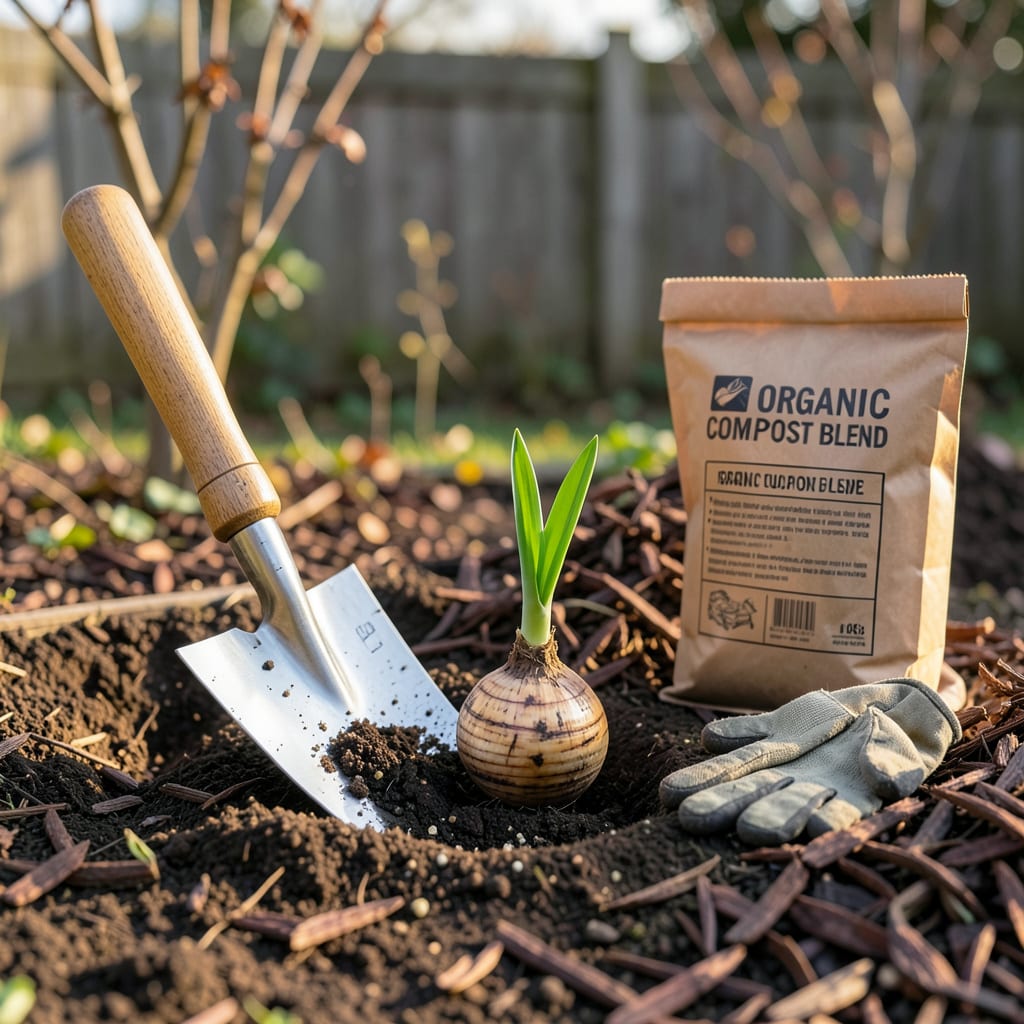
Imagine planting your 🌷 bulbs with excitement, only to watch them struggle—or worse—fail to bloom. In Zone 5b, timing isn’t just important—it’s the difference between a lackluster garden and a breathtaking spring display.
I’ve seen gardeners make costly mistakes by planting too early or too late. But here’s the good news: with the right schedule, you can set your bulbs up for success. Let’s break down the exact fall and spring windows to ensure your garden bursts with color when it matters most.
If you’re in USDA Zone 5b, fall is your golden window for planting spring-blooming bulbs. The key is getting them in the ground 6-8 weeks before the first hard frost, which typically hits around October 15 in this zone. This timing lets roots establish before winter dormancy.
I always aim for late September through mid-October for most bulbs. The soil should be below 60°F—cooler temps prevent premature sprouting. Tulips, daffodils, and crocuses thrive with this schedule. Pro tip: Use a soil thermometer to check temps at 6-inch depth.
| Bulb Type | Planting Window | Depth | Spacing |
|---|---|---|---|
| Tulips | Sept 15–Oct 15 | 6–8 inches | 4–6 inches apart |
| Daffodils | Sept 1–Oct 30 | 6 inches | 6–8 inches apart |
| Hyacinths | Sept 20–Oct 20 | 4–6 inches | 6 inches apart |
| Crocuses | Sept 10–Oct 10 | 3–4 inches | 3 inches apart |
| Alliums | Sept 25–Oct 25 | 6–8 inches | 8–12 inches apart |
For naturalizing bulbs like daffodils or crocuses, I plant them slightly shallower—about 2–3 inches deep. This mimics how they’d grow in the wild and encourages spreading. Just add a 2-inch mulch layer after planting to insulate against temperature swings.
Don’t forget soil prep! I work in 2–3 inches of compost and a handful of bone meal per square foot. This gives bulbs the nutrients they need for strong roots. Avoid fresh manure—it can burn tender roots. Well-draining soil is non-negotiable to prevent rot.
If you miss the ideal window, you can plant bulbs until the ground freezes—just add extra mulch (4–6 inches of straw or shredded leaves). I’ve had success with late-November plantings of tulips when using this trick. Water thoroughly after planting to settle the soil.
For deer-prone areas, I prioritize daffodils, alliums, and fritillarias—deer usually avoid these. Tulips are deer candy, so I plant them closer to the house or use repellents like blood meal. Hyacinths are another fragrant option that critters tend to skip.
After planting, mark bulb locations with biodegradable flags or sticks. It’s easy to forget where you planted them, especially with small bulbs like crocuses. Come spring, you’ll thank yourself when you avoid accidentally digging up sprouting bulbs during garden prep.
Remember, bigger bulbs (like Darwin tulips or dinnerplate dahlias) need more space—up to 12 inches apart. Smaller varieties (like species crocuses) can be tucked into tight spots. I love layering bulbs in containers: tulips at the bottom, daffodils in the middle, and crocuses on top.
Finally, resist the urge to cut back foliage after blooming. Let it yellow naturally—this feeds the bulb for next year’s flowers. I braid or fold daffodil leaves if they flop, but never remove them until they’re completely brown. Your patience will be rewarded with stronger blooms next season! 🌷
While fall gets all the attention for bulb planting, Zone 5b gardeners can also enjoy stunning summer blooms by planting bulbs in spring. The secret is waiting until soil temperatures reach 55°F—usually mid-April to early May after our last frost date of April 15.
I focus on tender summer-blooming bulbs like dahlias, gladiolas, and cannas. These beauties can’t survive our winters, so spring planting is a must. For best results, I start dahlia tubers indoors in March, then transplant them after frost danger passes. This gives them a head start on our shorter growing season.
Wait until soil reaches 60°F. Stake tall varieties at planting to avoid disturbing roots later. Pinch back tips when 12″ tall for bushier plants.
Plant every 2 weeks from May 1 to July 1 for continuous blooms. Choose corms 1″ in diameter or larger for best flowers.
Need 70°F soil to thrive. Plant rhizomes horizontally 4-6″ deep. Great for adding tropical flair to Zone 5b gardens.
Plant as soon as soil is workable in April. Oriental and Asiatic lilies do best. Add compost for drainage—they hate wet feet!
For soil prep, I mix in 2-3 inches of compost and a balanced fertilizer (10-10-10). Summer bulbs are heavy feeders! I also add mycorrhizal fungi to help roots establish quickly in our clay-heavy soils.
Watering is critical during the first month. I use drip irrigation to keep soil consistently moist but not soggy. Mulch with straw or shredded bark to retain moisture and suppress weeds. For container plantings, I use fabric grow bags which prevent root circling and improve drainage.
To extend the blooming season, I practice succession planting. For example, I plant early-blooming alliums in April, followed by gladiolas in May, and finish with cannas in June. This creates a colorful display from early summer through frost.
At season’s end, I dig up tender bulbs after the first frost blackens foliage. I cure them in a dry, ventilated area for a week, then store in paper bags with peat moss at 40-50°F. This simple step saves money and ensures beautiful blooms next year. 🌻
Even experienced gardeners can make costly errors when planting bulbs in Zone 5b. The most common mistake I see is planting too early in fall when soil is still warm. This tricks bulbs into sprouting prematurely, leaving tender shoots vulnerable to winter kill.
Another frequent issue is improper planting depth. As a rule, bulbs should be planted 2-3 times deeper than their height. Too shallow and they freeze; too deep and they struggle to emerge. I use a bulb planter tool to ensure consistent depth every time.
Poor soil preparation ranks high on the mistake list too. I always test drainage by digging a 12-inch hole and filling it with water. If it doesn’t drain within an hour, I amend with coarse sand or perlite. Bulbs need well-draining soil to prevent rot during our wet springs.
Many gardeners forget about microclimates in their yard. South-facing slopes warm up faster in spring, while north-facing areas stay cooler. I plant my early bloomers like crocuses on south-facing slopes and save later bloomers like alliums for cooler spots.
Finally, don’t neglect post-planting care. After planting, I water deeply to settle soil and eliminate air pockets. Then I mark planting spots with biodegradable flags to avoid disturbing bulbs during spring garden prep. A little planning now prevents heartache when shoots emerge in unexpected places next season! 🌱
Planting after the ground freezes prevents root establishment, leading to poor or delayed blooms. In Zone 5b, aim to finish by early November. If you’re late, try container planting with 6 inches of mulch for insulation.
Spring planting usually results in weak or no blooms the first year. These bulbs need 12-16 weeks of chilling to develop properly. If you missed fall, try forcing bulbs indoors instead for winter color.
Layer chicken wire over planting areas, then cover with soil. Plant daffodils and alliums—they’re naturally rodent-resistant. For extra protection, sprinkle hot pepper flakes or use commercial repellents at planting time.
Yes! Water deeply immediately after planting to settle soil and eliminate air pockets. Provide 1 inch of water weekly until the ground freezes. Avoid overhead watering which can cause rot—use a soaker hose instead.
Common causes include insufficient chilling, overcrowding, or cutting foliage too soon. Check if you planted at the correct depth (2-3x bulb height). Poor drainage or nutrient deficiency can also prevent blooming—test your soil next season.
