
Beautiful Plants For Your Interior
Beautiful Plants For Your Interior
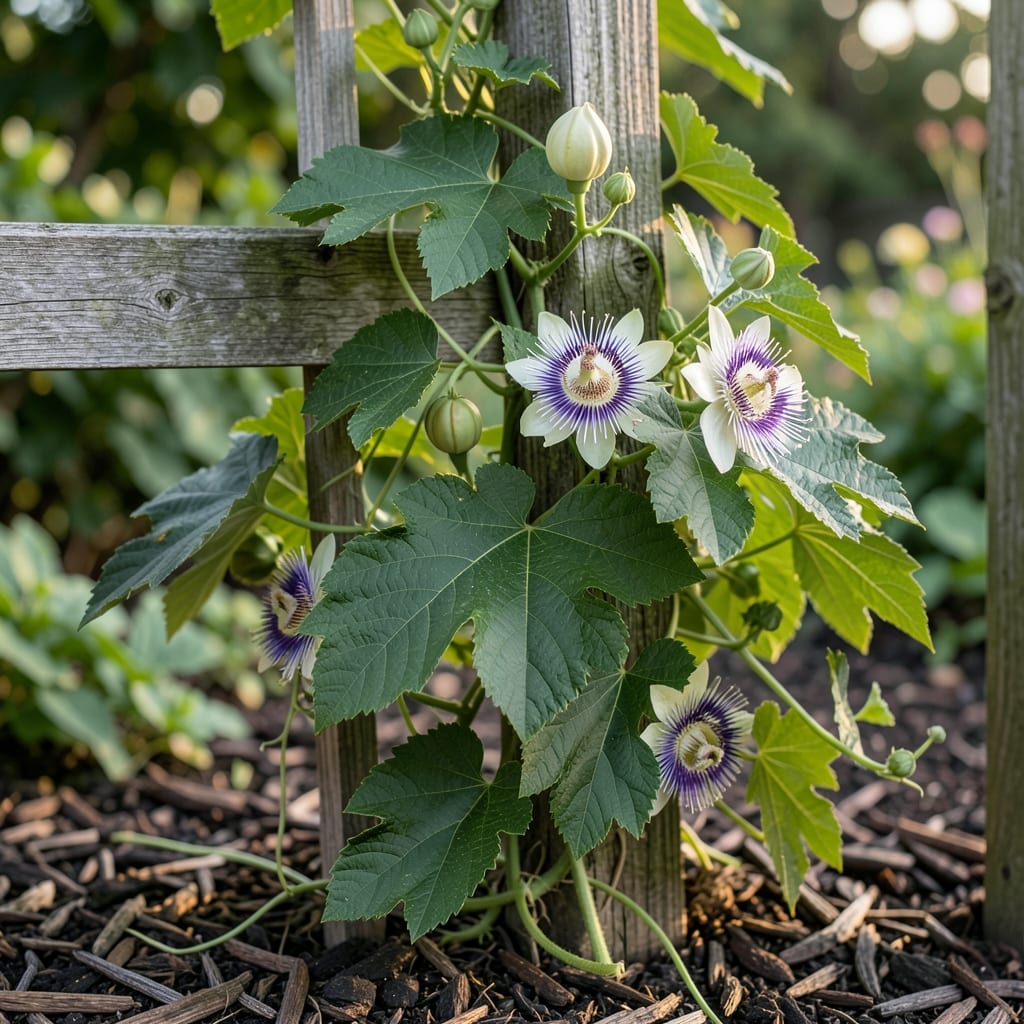
Passion fruit blooms thrive in warm climates with well-draining soil, full sun exposure, and consistent moisture. They typically flower in spring and summer, producing fragrant, vibrant blossoms that precede fruit development.
I’ve found these tropical vines need 6-8 hours of direct sunlight daily to trigger their stunning blooms. The soil must drain quickly to prevent root rot, yet stay evenly moist—think of it like a goldilocks zone for moisture. What’s fascinating is how the flowers often open in the afternoon, releasing their sweet scent to attract pollinators. 🌟
💡 In This Article
Passion fruit vines enter their blooming phase when temperatures consistently stay between 68-86°F. This range activates the plant’s internal flowering hormones, particularly gibberellins and auxins, which trigger bud formation. Below 50°F, these processes stall, often causing bud drop. The vine’s native tropical climate means it’s wired to respond to warmth as a signal for reproduction.
🌟
Sunlight is non-negotiable—6-8 hours of direct sun daily ensures the plant produces enough carbohydrates through photosynthesis to support bloom development. In partial shade, you’ll notice fewer flowers and weaker fruit set. The leaves act like solar panels, converting light into the energy needed to create those intricate, star-shaped blossoms. ⚡
Soil pH plays a subtle but critical role. Passion fruit thrives in slightly acidic to neutral soil (6.0-7.0 pH). Outside this range, nutrient uptake suffers, particularly phosphorus—a key player in flower and fruit production. A soil test kit can reveal if you need to amend with lime (to raise pH) or sulfur (to lower it).
💫
Pollinators are the unsung heroes of passion fruit blooms. The flowers are self-sterile, meaning they need cross-pollination from insects like carpenter bees or hummingbirds. These pollinators are drawn to the blooms’ vibrant colors and sweet, citrusy fragrance, which peaks in the late afternoon. Without them, flowers may bloom but fail to set fruit. ✨
Water stress can make or break your blooming season. While the vines love consistent moisture, soggy soil leads to root rot, and drought causes premature bud drop. Aim for 1-2 inches of water per week, adjusting for rainfall. Mulching with organic matter helps maintain that perfect moisture balance while keeping roots cool. 🔥
Passion fruit typically blooms for 6-8 weeks in warm climates, with peak flowering in spring and summer. Each individual bloom lasts just 1 day, opening in the afternoon and wilting by the next morning.
Common causes include insufficient sunlight, temperatures below 68°F, or nutrient deficiencies. Ensure your vines get 6-8 hours of direct sun daily and maintain balanced fertilization.
Yes, but you’ll need to use containers and move plants indoors when temperatures drop below 50°F. A sunny windowsill or greenhouse can extend the blooming season significantly.
Successfully pollinated flowers will develop small fruit at their base within 1 week. If blooms fall off without fruiting, hand-pollination with a soft brush may help.