
Beautiful Plants For Your Interior
Beautiful Plants For Your Interior
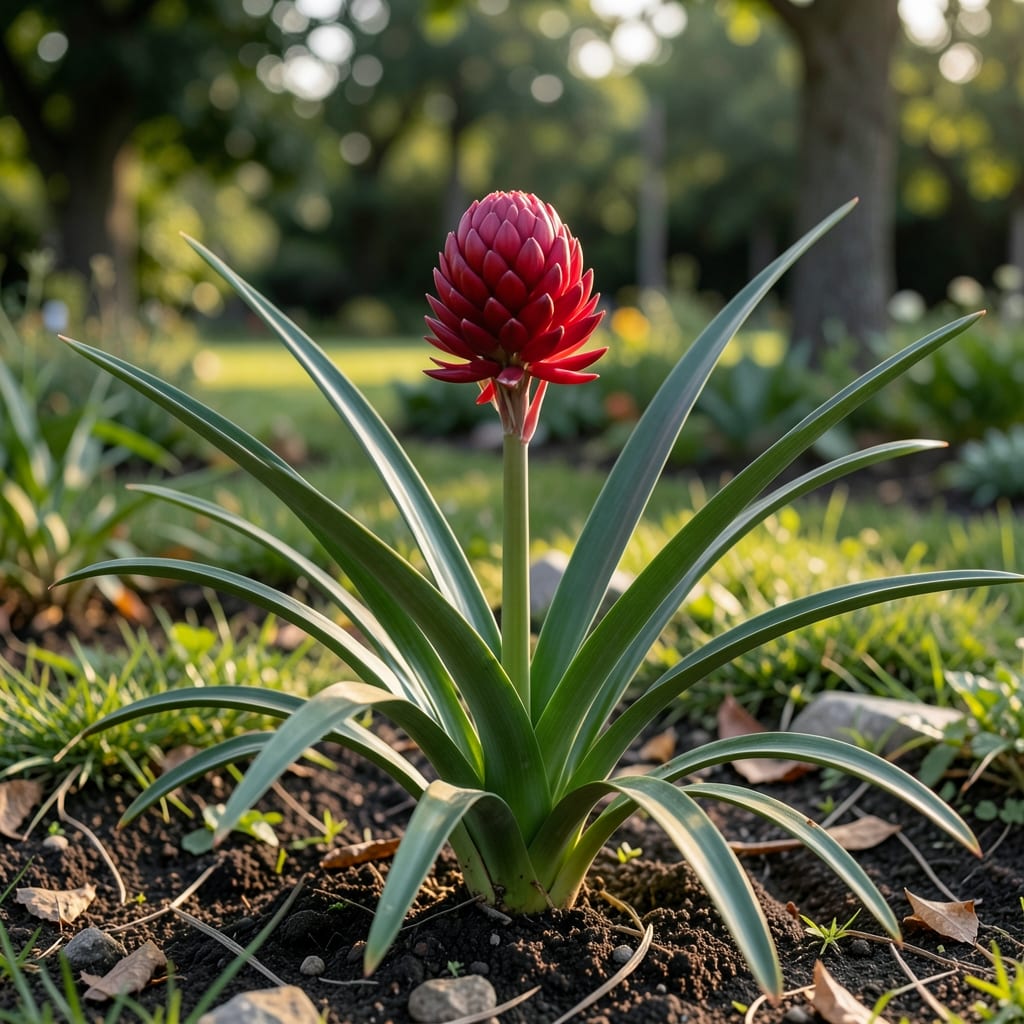
The blood lily symbolizes passion, sacrifice, and renewal, with its deep red blooms often representing love, courage, and the cycle of life in various cultures.
I find the vibrant red petals particularly striking in how they mirror deep emotional connections. In many traditions, these flowers appear in ceremonies marking transitions, from weddings to memorials, emphasizing their role as living symbols of transformation and resilience. 🌟
What fascinates me most is how different cultures interpret these meanings uniquely, yet consistently revere the flower’s bold, almost fiery appearance.
💡 In This Article
The blood lily’s deep crimson hue comes from anthocyanins, the same pigments that give red wine and autumn leaves their rich colors. These compounds absorb specific light wavelengths, creating the intense visual impact that’s made the flower a powerful symbol across civilizations.
In ancient Egyptian art, the bloom appears in tomb paintings as a representation of the life force that persists after death.
African traditions often use blood lilies in coming-of-age ceremonies, where the flower’s ability to thrive in harsh conditions mirrors the resilience being celebrated. The Zulu people specifically associate it with the blood of ancestors, planting it near family compounds to maintain spiritual connections. Each petal’s velvety texture and deep color intensity reinforce these sacred associations.
In Victorian flower language, blood lilies conveyed messages of deep, almost painful love. Unlike roses which could express various shades of affection, the blood lily’s dramatic appearance made it the clear choice for communicating profound, all-consuming emotions. This tradition continues today in some modern floral arrangements for romantic occasions.
The flower’s growth pattern adds another layer of symbolism. Blood lilies emerge from underground bulbs, often after periods of drought, making their sudden appearance a natural metaphor for renewal and rebirth. This characteristic has made them particularly meaningful in cultures that value perseverance through adversity. ⚡
Artists throughout history have utilized the blood lily’s striking form in their work. From ancient pottery designs to contemporary paintings, the flower’s bold shape and color make it instantly recognizable. In Christian art, it sometimes appears as a symbol of Christ’s sacrifice, with the red petals representing his blood.
What makes the blood lily’s symbolism so enduring is its multifaceted nature. It can represent both the joy of love and the sorrow of sacrifice, the beginning of life and its inevitable end. This duality is reflected in the flower’s appearance – beautiful yet slightly intimidating, delicate yet resilient. ✨
The deep red color symbolizes blood shed in rituals or battles across many cultures. In Zulu traditions, it represents ancestral blood, connecting the living to their heritage. The flower’s resilience in harsh conditions reinforces this symbolic meaning.
Ancient Egyptians saw it as life force, while Victorians used it for deep, painful love. In Christian art, it represents Christ’s sacrifice. Each culture finds unique meaning in the same bold crimson hue.
Their symbolism makes them perfect for weddings, memorials, or coming-of-age events. The dramatic blooms create memorable visual impact while carrying deep meaning.
The flower embodies duality – love and sacrifice, life and death. This complexity allows it to maintain relevance across generations and cultures. Its striking appearance matches its powerful symbolism.