
Beautiful Plants For Your Interior
Beautiful Plants For Your Interior
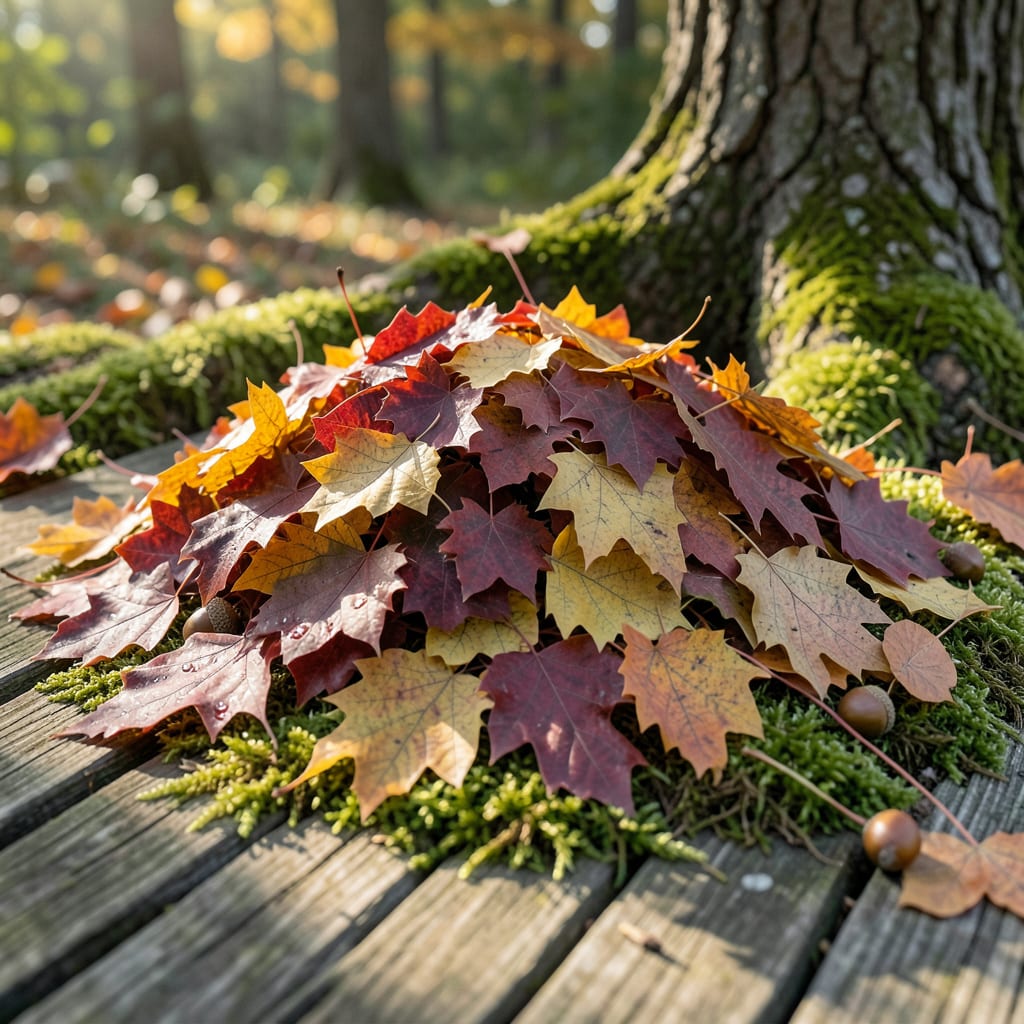
That first crisp morning when the maples ignite in red and gold—it’s nature’s way of saying the garden’s work isn’t done yet. A thick blanket of fallen leaves isn’t waste, it’s free mulch, insulation, and next year’s soil builder.
I used to rake mine to the curb until I realized they were the easiest way to protect beds through winter. Shred them for pathways, pile them around tender plants, or let them break down where they fall. The garden does the rest.
📚 In This Guide
Transform your garden with this simple seasonal display that celebrates nature’s beauty.
Collect leaves that have just dropped from trees, choosing a variety of colors like red, orange, and gold. I like to use a large tarp to transport them easily to my chosen spot. Avoid leaves that are already brown or crumbling, as they won’t provide the vibrant look you want.
Check that the leaves are dry before gathering—damp leaves can clump together and develop mold, which ruins the display. Gather more than you think you’ll need because the pile will compress as you build it.
Pick a flat, visible area in your garden where the pile will stand out. A spot near a walkway or at the base of a tree works well. Clear away any debris, rocks, or sticks that might interfere with the leaf arrangement.
If you’re creating a decorative pile, consider the background. A solid fence or wall makes the colors pop, while a grassy lawn provides a natural frame. I always test the location by laying down a few leaves first to see how they’ll look in the space.
Start by spreading a thick layer of leaves on the ground, covering an area about 3-4 feet wide. Use the largest, flattest leaves for the base to create stability. This layer should be dense enough to hide the ground completely.
Press down lightly to keep the leaves in place but don’t pack them too tightly. You want the pile to look natural, not compressed. This base helps define the shape of your display and keeps the upper layers from shifting.
Begin stacking leaves in a loose, mound-like shape, mixing colors and sizes for visual interest. I like to alternate layers of flat leaves with crinkled or curled ones to create texture. Aim for a height of about 1-2 feet at the center.
Step back frequently to check the shape from different angles. The pile should look organic, not perfectly symmetrical. If any bare spots appear, tuck in additional leaves to fill the gaps.
Top the pile with the most vibrant leaves you’ve collected, placing them so their best sides face outward. Add a few branches with colorful leaves still attached for extra height and dimension.
If the weather is breezy, lightly mist the pile with water to help the leaves stick together. Just don’t soak them, or they’ll break down too quickly. Your finished pile should look full and natural, ready to enhance your garden’s autumn charm.
These practical insights will help you create a stunning display without the common pitfalls.
Leaf Selection Tip: In Step 1, focus on freshly fallen leaves that still have some flexibility. Avoid crispy, brown leaves as they’ll crumble and ruin the texture. I gather at least 50% more than I think I need since the pile compresses significantly during assembly.
Location Strategy: For Step 2, choose a spot that’s visible from multiple angles. A corner near a fence works beautifully because the vertical surface makes the colors stand out. Test your location by laying down a few leaves first—if they don’t look vibrant against the background, try another spot.
Height Control: When building in Step 4, aim for that 1-2 feet height at the center, but don’t pack the leaves tightly. The loose arrangement lets colors show through and prevents wind from knocking the whole pile over. I usually stop stacking when the pile starts to look slightly lopsided—it adds natural charm.
Weather Consideration: If you’re working in breezy conditions during Step 5, mist the leaves with just enough water to make them stick together. Too much water will cause them to rot prematurely. I use a spray bottle set to a fine mist for even coverage without soaking.
Keep leaves dry by storing them in a covered area or large bins. Avoid direct rain or wind to prevent scattering. For extra longevity, lightly spray with a natural preservative like vinegar or hairspray to slow decay.
Late autumn (October–November) is ideal when leaves are fully changed but still fresh. Collect on dry days to prevent mold or sogginess. Early morning or late afternoon works best for crisp, vibrant leaves.
Yes! Artificial leaves are a low-maintenance alternative, especially for long-term decor. They won’t fade or decompose and can be reused yearly. Choose weather-resistant options for outdoor displays.
Exposure to moisture or direct sunlight accelerates browning. Store leaves in a cool, dry place, and avoid stacking them too tightly. If outdoors, use a tarp to shield them from rain.
