
Beautiful Plants For Your Interior
Beautiful Plants For Your Interior
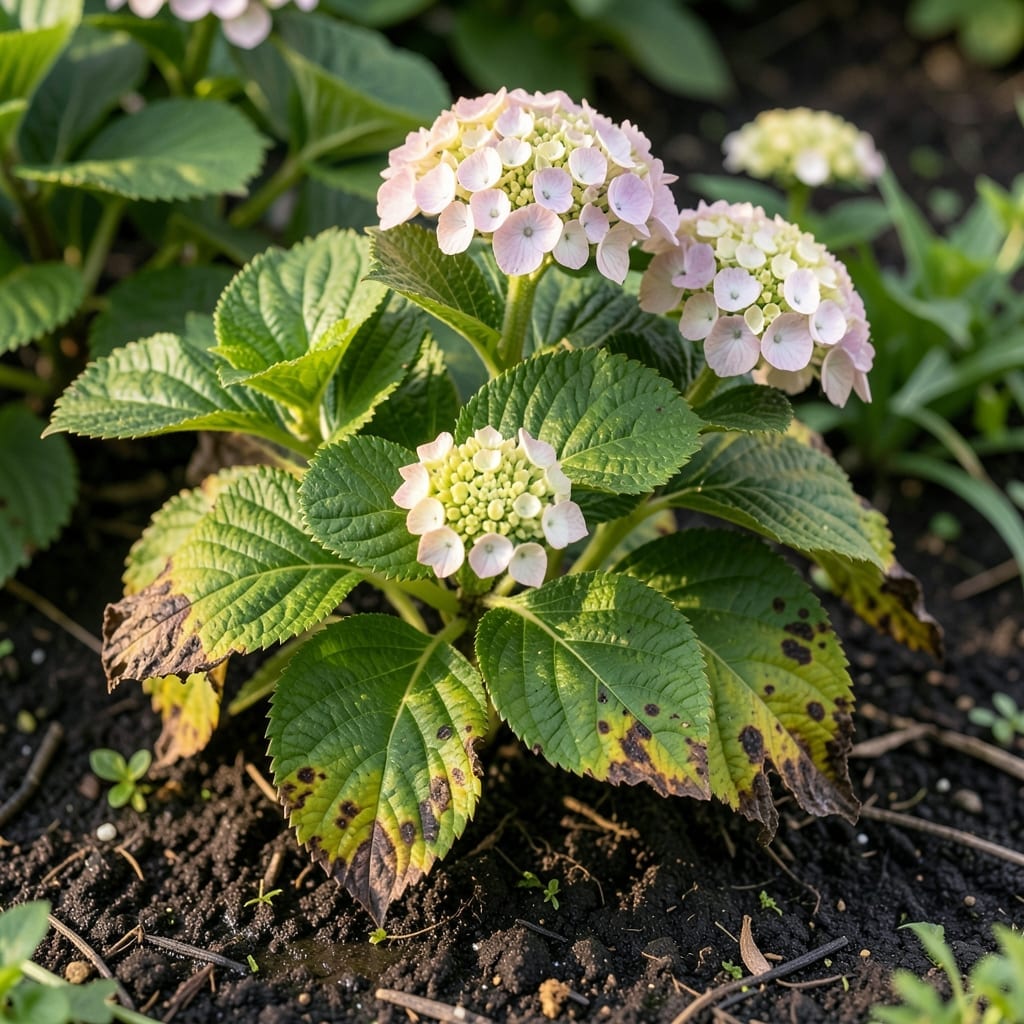
Spots on your hydrangea leaves mean trouble. 🌿 I’ve battled blight for years and learned these spots spread fast if ignored.
The fungal culprit thrives in wet conditions, so morning watering and good air circulation are your first defense. I lost 3 bushes before realizing overcrowding was the real problem.
Copper fungicide works, but I prefer a baking soda spray for early cases. It’s cheaper and just as effective when caught quickly.
With treatment, new growth returns clean and blooms bounce back within 4-6 weeks. Don’t give up on those plants yet.
Blight on hydrangeas is primarily caused by fungal pathogens, environmental stressors, or poor cultural practices. Understanding these triggers helps you prevent and manage the issue effectively.
The most common culprits are Cercospora and Alternaria fungi, which thrive in warm, humid conditions. These pathogens spread via water splashes, contaminated tools, or infected plant debris. Overhead watering and crowded plantings create ideal environments for spores to germinate and infect leaves, leading to brown or purple spots with yellow halos.
Prolonged leaf wetness—from rain, dew, or improper irrigation—accelerates fungal growth. Hydrangeas with dense foliage or those planted in poorly draining soil are especially vulnerable. Standing water on leaves for more than 6–8 hours can initiate infection, as spores require moisture to penetrate plant tissues.
Overcrowded gardens or heavy mulch layers restrict airflow, trapping humidity around the plant. This stagnant environment allows fungal spores to settle and multiply. Pruning for better ventilation and spacing plants 3–4 feet apart reduces this risk significantly.
Weak or over-fertilized hydrangeas are more susceptible to blight. Excess nitrogen promotes lush, tender growth that fungi easily invade, while potassium or phosphorus deficiencies weaken the plant’s natural defenses. A balanced, slow-release fertilizer (10-10-10) supports resilience without encouraging disease-prone growth.
Tackling blight on hydrangeas starts with identifying the cause and applying the right fix. Here’s a practical guide to restore your plants’ health and vibrancy.
If you notice dark spots or wilting leaves, a fungicide is your best defense. Choose a copper-based or organic option like neem oil, and apply it every 7–10 days until the issue clears. Prevention tip 💡: Improve air circulation by spacing plants properly and watering at the base to keep foliage dry.
For bacterial issues, prune affected stems and leaves immediately—sterilize your tools with rubbing alcohol between cuts to avoid spreading the disease. Remove infected debris from the garden to prevent recurrence. Prevention tip 🎯: Avoid overhead watering, and opt for drip irrigation to keep leaves dry.
Blight can thrive in waterlogged or nutrient-poor soil. Test your soil’s drainage and pH (hydrangeas prefer slightly acidic, 5.5–6.5). Amend with compost or peat moss to improve structure. Prevention tip ✨: Mulch around the base to retain moisture without soggy roots.
Pests like aphids can weaken plants, making them more susceptible to blight. Use insecticidal soap or introduce beneficial insects like ladybugs. Prevention tip 🌡️: Inspect plants regularly and act at the first sign of pests.
With these steps, your hydrangeas will bounce back, flaunting lush blooms in no time!
Look for dark brown or purple spots with yellow edges on leaves. These often expand quickly in wet weather. Early signs also include wilting or blackened stems.
Mild cases may improve with better care, but severe infections need treatment. Remove affected leaves and apply fungicide every 7-10 days for best results.
A baking soda spray (1 tbsp per gallon of water) can help early cases. For stubborn infections, copper fungicide or neem oil works better. Always test on a small area first.
Space plants 3-4 feet apart and water at the base. Clean up fallen leaves in autumn and sterilize pruning tools with rubbing alcohol.