
Beautiful Plants For Your Interior
Beautiful Plants For Your Interior
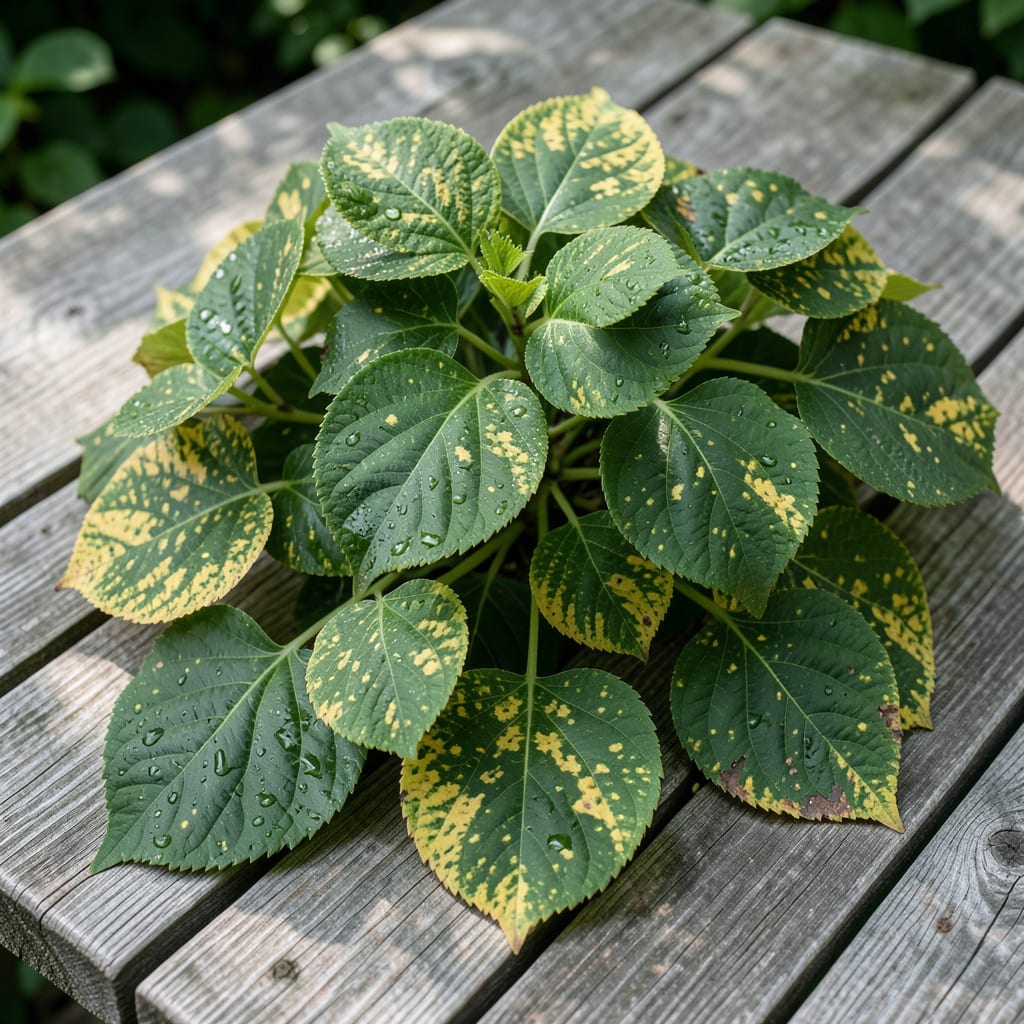
Those yellow spots on your hydrangea leaves aren’t just unsightly—they’re a cry for help. I’ve seen this pattern before: small splotches that spread, leaves that yellow and drop, and a plant that looks like it’s giving up.
Here’s the thing—it’s usually fungal, often from too much moisture or poor air circulation. But nutrient deficiencies or pests can mimic the same symptoms, so don’t jump to conclusions. The solution starts with proper diagnosis.
Once you pinpoint the cause, recovery is fast. Adjust watering, improve airflow, or treat with a simple fungicide. Most hydrangeas bounce back in 2-3 weeks with the right care.
Prevention is even easier. Keep leaves dry, space plants properly, and monitor for early signs. Your hydrangeas will thank you with lush, spot-free foliage all season.
Yellow spots on hydrangea leaves often signal underlying issues that disrupt the plant’s health. Below are the most common causes, explained with actionable insights.
Fungi like Cercospora or Anthracnose thrive in wet, humid conditions, leading to circular yellow or brown spots. These pathogens spread via water splashes or contaminated tools. Overhead watering and poor air circulation exacerbate the problem.
Both overwatering and underwatering can cause yellowing. Overwatering suffocates roots, reducing nutrient uptake, while drought stress triggers chlorophyll breakdown. Check soil moisture 1–2 inches deep—it should feel damp but not soggy.
Lack of essential nutrients, particularly magnesium (interveinal yellowing) or iron (uniform yellowing), often manifests as spots. A soil test can confirm deficiencies; amend with Epsom salt (for magnesium) or chelated iron as needed.
Spider mites and aphids sap plant juices, causing stippled yellow spots. Inspect leaf undersides for webbing or tiny insects. Treat with neem oil or insecticidal soap at first signs.
Extreme heat or cold can shock hydrangeas, leading to leaf discoloration. Protect plants with shade cloth during heatwaves or mulch to insulate roots in cold snaps.
Tackling yellow spots on your hydrangeas starts with identifying the cause. Here’s how to address each common issue and prevent future flare-ups.
For leaf spot fungi (like Cercospora or Anthracnose), remove infected leaves immediately and discard them in the trash—not compost. Apply a copper-based fungicide or neem oil every 7–10 days until the spots disappear. Prevention tip 💡: Improve air circulation by spacing plants 3–4 feet apart and watering at the base (never overhead).
If soggy soil is the culprit, let the top 1–2 inches of soil dry out between waterings. Switch to a well-draining potting mix if growing in containers, or amend garden beds with compost. Pro tip ✨: Use a moisture meter to avoid guessing—hydrangeas prefer evenly moist, not waterlogged, roots.
Yellow spots with green veins often signal iron or magnesium deficiency. Apply a chelated iron supplement or Epsom salt solution (1 tablespoon per gallon of water) to the soil. For long-term health, fertilize in early spring with a balanced, slow-release formula (10-10-10). Prevention 🎯: Test soil pH annually—hydrangeas thrive in slightly acidic (5.2–6.5) conditions.
Check leaf undersides for spider mites, aphids, or lace bugs. Blast them off with a strong stream of water, or apply insecticidal soap weekly until gone. Preventative measure 🌡️: Encourage beneficial insects like ladybugs by planting companion flowers like marigolds nearby.
Fungal spots are usually circular with defined edges, while pest damage appears as stippled or scattered yellowing. Check leaf undersides for webbing or tiny insects to confirm pests.
Yes! Remove and discard infected leaves immediately to prevent fungal spores from spreading. Never compost them, as this can reinfect your garden.
Overwatering suffocates roots, leading to poor nutrient uptake and yellowing. Let the top 1-2 inches of soil dry between waterings to prevent this.
For iron deficiency, apply a chelated iron supplement. For magnesium, use 1 tablespoon Epsom salt per gallon of water. Results appear within 1-2 weeks.
