
Beautiful Plants For Your Interior
Beautiful Plants For Your Interior
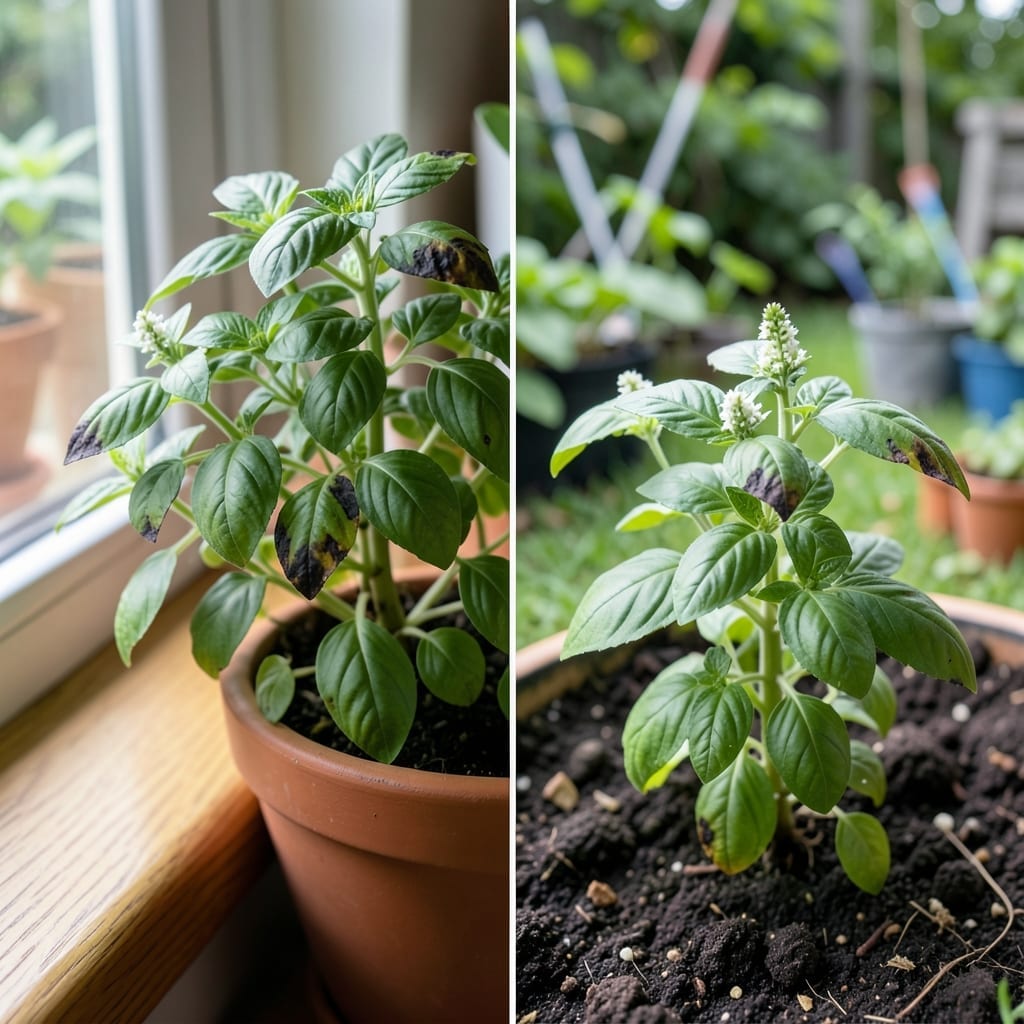
Black leaves on basil are your plant’s distress signal. I’ve seen this happen overnight—healthy greens turning dark and crisp, usually from overwatering or a sudden cold snap.
The fix often starts with checking the soil. If it’s soggy, you’re likely drowning the roots. Basil hates wet feet, and blackened leaves are the first sign of trouble.
Other times, it’s environmental. A drafty window or a night below 50°F can shock the plant fast. Move it to a warmer spot and trim the damaged leaves to redirect energy.
Prevention is simpler than you think: consistent watering, stable temperatures, and good airflow. Your basil will bounce back with the right care.
Blackened basil leaves often signal underlying stress. Here are the most frequent causes and why they happen:
Basil thrives in warm, stable conditions (70–85°F). Exposure to cold drafts (below 50°F) or heat spikes (above 90°F) disrupts cellular function, leading to necrosis—where leaf tissues die and blacken. Frost is especially damaging, rupturing cell walls instantly.
Excess moisture suffocates roots, preventing oxygen uptake. This triggers root rot, a fungal infection that blocks water and nutrient flow to leaves. As leaves starve, they darken and crisp. Similarly, soggy soil encourages bacterial leaf spot (Pseudomonas), which causes black patches.
While basil loves sunlight, intense midday rays (especially in hot climates) can scorch leaves. UV radiation damages chlorophyll, and without proper acclimation (hardening off), leaves develop bleached or blackened edges—a sign of photooxidative stress.
Over-fertilizing with nitrogen-heavy formulas causes salt burn, where excess minerals draw moisture out of leaves, leaving blackened tips. Conversely, a calcium or potassium deficiency weakens cell walls, making leaves prone to collapse and discoloration.
Sap-sucking pests like aphids or thrips introduce toxins that disrupt leaf function. Meanwhile, fungal diseases such as downy mildew (Peronospora belbahrii) infect leaves, causing yellowing that progresses to black as spores spread.
Blackened basil leaves can often be saved with quick action. Below are targeted fixes for the most common causes, along with tips to prevent future problems.
Fix: Stop watering immediately and check the soil. If it’s soggy, repot the basil in fresh, well-draining soil. Trim any blackened, mushy leaves with clean scissors to prevent rot from spreading. Place the pot in a sunny spot with good airflow to help the soil dry out.
Prevention: Water only when the top inch of soil feels dry. Use pots with drainage holes and a saucer to catch excess water. 💡 Pro tip: Stick your finger in the soil—if it’s damp, wait another day!
Fix: Move potted basil to a shaded area if leaves appear scorched. For garden plants, use shade cloth during peak sun hours. If cold damage is the issue, bring potted basil indoors or cover outdoor plants with a frost cloth.
Prevention: Basil thrives in warm, consistent temperatures (70–80°F). Avoid placing it near drafts, heaters, or AC units. Acclimate plants gradually to outdoor conditions if moving them outside.
Fix: Inspect leaves for pests like aphids or signs of fungal infections (e.g., black spots with yellow halos). Remove heavily damaged leaves and treat with neem oil or insecticidal soap for pests. For fungal issues, improve airflow and avoid wetting the leaves when watering.
Prevention: Keep the growing area clean and free of debris. Space plants properly to ensure good circulation. ✨ Regularly check the undersides of leaves for early signs of trouble.
Fix: If blackening is paired with yellowing or stunted growth, your basil may lack nutrients. Use a balanced, water-soluble fertilizer (10-10-10) and follow package instructions. Avoid over-fertilizing, as this can burn the roots.
Prevention: Feed basil lightly every 4–6 weeks during the growing season. Mix compost into the soil before planting for a nutrient boost.
No, once leaves turn black, they won’t regain their green color. Trim them off to prevent further stress and redirect the plant’s energy to healthy growth.
Water when the top 1 inch of soil feels dry—usually every 2-3 days in warm weather. Always use pots with drainage holes to prevent soggy roots.
Basil suffers below 50°F. Move potted plants indoors or cover garden basil with frost cloth if temperatures drop overnight.
Yes, pests like aphids and thrips can damage leaves, leading to blackening. Check leaf undersides and treat with neem oil if you spot tiny insects.