
Beautiful Plants For Your Interior
Beautiful Plants For Your Interior
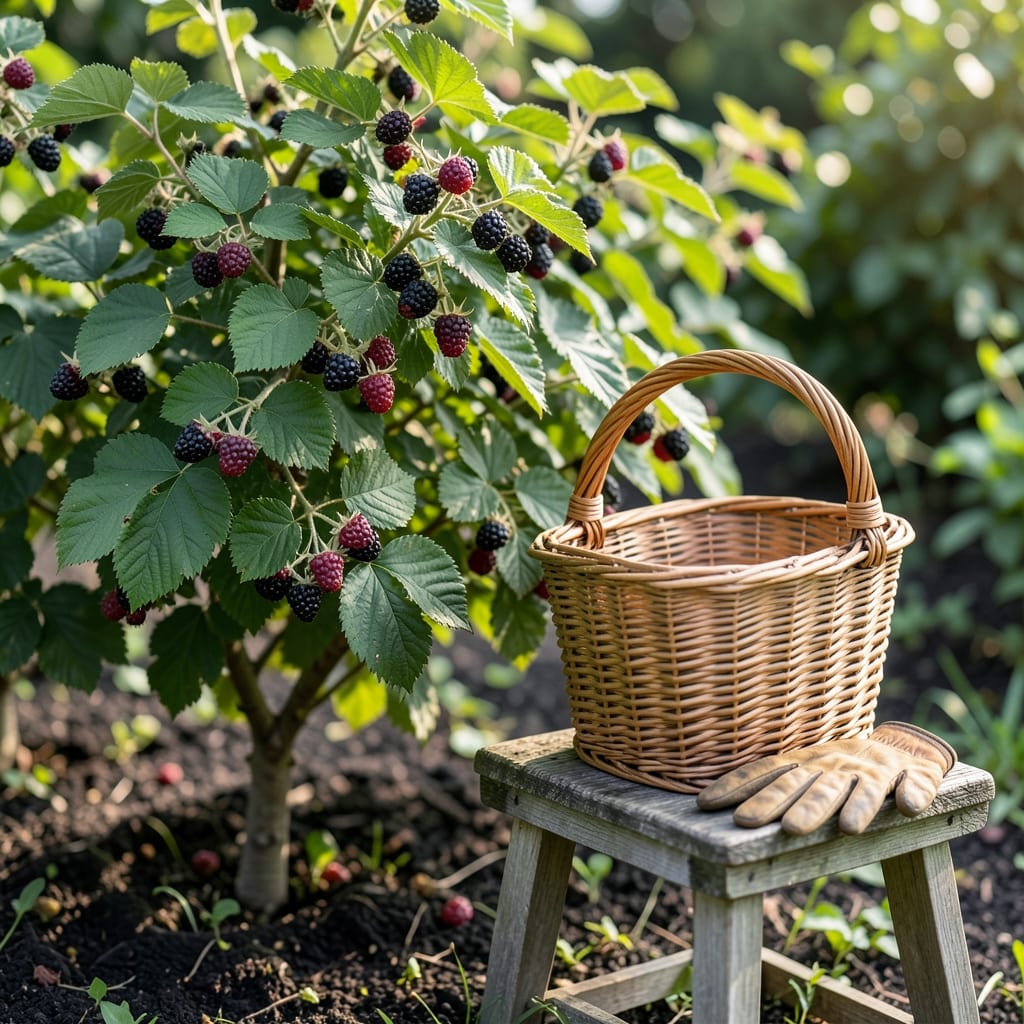
Blackberries turn red when unripe due to anthocyanin pigments developing as the fruit matures, signaling it needs more time to reach peak sweetness and deep purple-black color.
This color shift happens because chlorophyll breaks down as sugars increase during ripening. I notice the red stage often fools people into picking too soon—the berries are still tart and firm at this point. 🔥 The full transformation to deep black indicates maximum flavor and optimal harvest time.
Environmental factors like sunlight and temperature can speed up or slow this process dramatically. ✨
💡 In This Article
Anthocyanins are the key compounds responsible for this dramatic color shift. These water-soluble pigments start accumulating in the fruit’s skin as chlorophyll—the green pigment dominant in unripe berries—begins breaking down. The process is triggered by sugar accumulation, which signals the berry to transition from energy production (photosynthesis) to ripening mode.
This chemical transformation is temperature-dependent. At 70-75°F, anthocyanin production accelerates, while cooler temperatures (below 60°F) slow the ripening process significantly. Sunlight exposure also plays a critical role, as UV light stimulates anthocyanin synthesis—explaining why berries on sunnier branches often ripen faster and develop deeper colors. ✨
The red phase you see is actually an intermediate stage. At this point, the berry contains only about 50-60% of its final anthocyanin concentration. The cells are still firm and the sugar content (measured in Brix) typically reads between 8-10°, compared to 12-15° in fully ripe black berries.
This is why red blackberries taste tart—they’re biologically programmed to be unappealing to animals until fully ripe.
What most people don’t realize is that the color change happens from the inside out. The receptacle (the white core that stays on the plant) ripens first, which is why blackberries often have a slight red tint at the stem end even when mostly black.
The complete transformation usually takes 3-5 days from the first appearance of red to full black coloration, depending on variety and growing conditions. 🔥
Environmental stress can also affect this process. Drought conditions may cause berries to turn black prematurely while still being sour, as the plant prioritizes survival over flavor development. Conversely, excessive rain can dilute the sugars, resulting in paler blackberries with less intense flavor.
The ideal balance of warmth, sunlight, and moisture produces the deepest, most flavorful black color.
Cooler temperatures or less sunlight can slow ripening. At below 60°F, the color change takes significantly longer. Shaded berries also develop pigment more slowly than those in full sun.
Yes, but it will taste very tart. The red color indicates low sugar content, typically 8-10° Brix. While not harmful, it’s best to wait for full ripeness for the best flavor.
Usually 3-5 days from first red appearance to full black color, depending on variety and weather. Warm, sunny conditions speed up this transformation significantly.
Drought may cause premature blackening with sour taste, while excessive rain can dilute sugars, resulting in paler berries. Ideal conditions produce the deepest black color.