
Beautiful Plants For Your Interior
Beautiful Plants For Your Interior
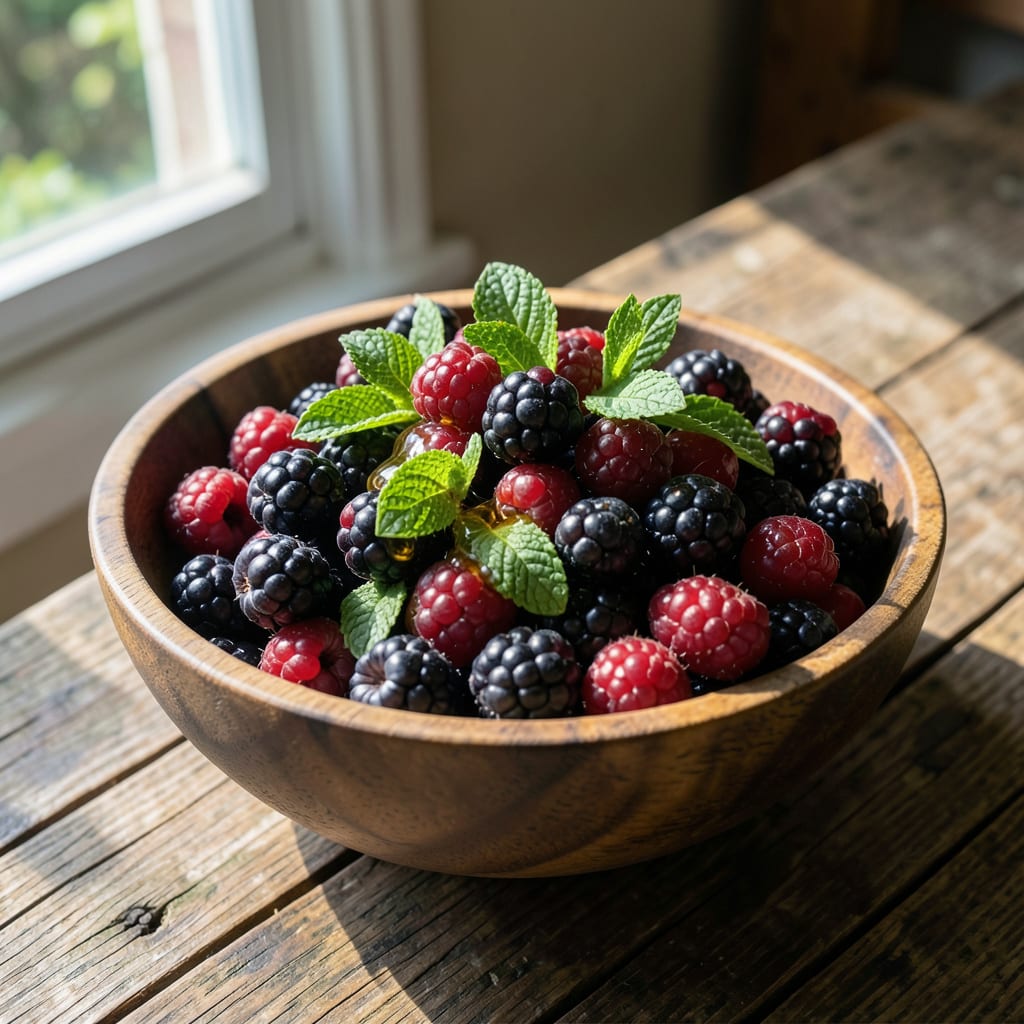
Those bright red blackberries in your garden aren’t necessarily ruined. I’ve seen this happen more times than I can count, and the answer isn’t always as simple as tossing them out.
Sometimes it’s just a quirk of the variety or a sign they’re not quite ready. Other times, it’s stress from heat, water, or even a sneaky disease. The good news? Many red blackberries are still perfectly safe to eat.
You’ll want to check for off smells, mushy texture, or mold before taking a bite. If they pass the sniff test and look firm, they’re likely fine—just a little different.
Prevention starts with consistent watering and keeping an eye on your plants’ health. Here’s what to watch for next time.
Blackberries turning red instead of their usual deep purple or black can be alarming, but the causes are often natural or environmental. Here’s a breakdown of the most common reasons:
Excessive heat or direct sunlight can disrupt the anthocyanin production in blackberries, the pigments responsible for their dark color. When exposed to high temperatures, berries may develop a reddish hue due to incomplete ripening or sunburn. This is more common in regions with intense summer heat.
A lack of essential nutrients, particularly phosphorus or magnesium, can lead to color changes in blackberries. Phosphorus deficiency often causes reddish or purplish discoloration in leaves and fruit, while magnesium deficiency may result in uneven ripening and off-colors.
Certain fungal diseases, like Anthracnose or Botrytis, can cause blackberries to turn red or develop spots. These infections often thrive in wet, humid conditions and may also lead to premature fruit rot. Inspect berries for mold or unusual textures if you suspect a fungal issue.
Pests such as raspberry cane borers or spotted wing drosophila can damage blackberry plants, leading to stress and irregular ripening. In some cases, the berries may turn red as a response to the plant’s weakened state.
Some blackberry varieties naturally exhibit reddish tones during certain stages of ripening. If the berries are firm, odor-free, and otherwise healthy, this color shift may simply be part of their natural development.
If your blackberries are turning red, don’t toss them just yet! Here’s how to address the most common causes and keep your harvest safe and delicious.
Fix: Pick blackberries when they’re fully black, plump, and slightly soft to the touch. If they’ve already turned red due to overripeness, use them immediately in jams, smoothies, or baking. Underripe berries? Give them a day or two to mature on the bush—sunlight and warmth can help.
Prevention: Harvest regularly to avoid leaving berries too long on the plant. Check daily during peak season.
Fix: Remove any red or moldy berries immediately to prevent spread. Treat the plant with a baking soda spray (1 tbsp baking soda + 1 gallon water + a drop of dish soap) or a copper-based fungicide. Prune affected canes to improve airflow.
Prevention: Space plants properly, water at the base (not the leaves), and thin out dense foliage. Mulch with straw to reduce moisture on fruit.
Fix: Inspect berries for signs of pests like aphids or mites. Spray with neem oil or insecticidal soap, focusing on the undersides of leaves. Remove heavily infested fruit to protect the rest.
Prevention: Encourage beneficial insects (like ladybugs) with companion plants such as marigolds. Use row covers early in the season to block pests.
Fix: Test your soil—reddish berries can signal a phosphorus or magnesium shortage. Amend with bone meal (for phosphorus) or Epsom salt (for magnesium). Foliar sprays can provide a quick boost.
Prevention: Feed blackberry plants with a balanced fertilizer in early spring and again after harvest. Keep soil pH between 5.5 and 7.0.
💡 Pro Tip: Always rinse berries thoroughly before eating, even if they look fine. This removes dust, pests, or residual sprays!
Check for firmness and a sweet smell. Red berries that are plump and smell fruity are likely just fine. If they’re mushy or sour, they’ve passed their prime.
Often it’s heat stress or nutrient imbalance. Excessive sun or lack of phosphorus can stall color development. Some varieties also naturally show red tones before full ripeness.
Only if they show signs of disease like mold or soft spots. Healthy red berries can stay on the bush—they might still ripen further. Remove damaged ones immediately to prevent spread.
