
Beautiful Plants For Your Interior
Beautiful Plants For Your Interior
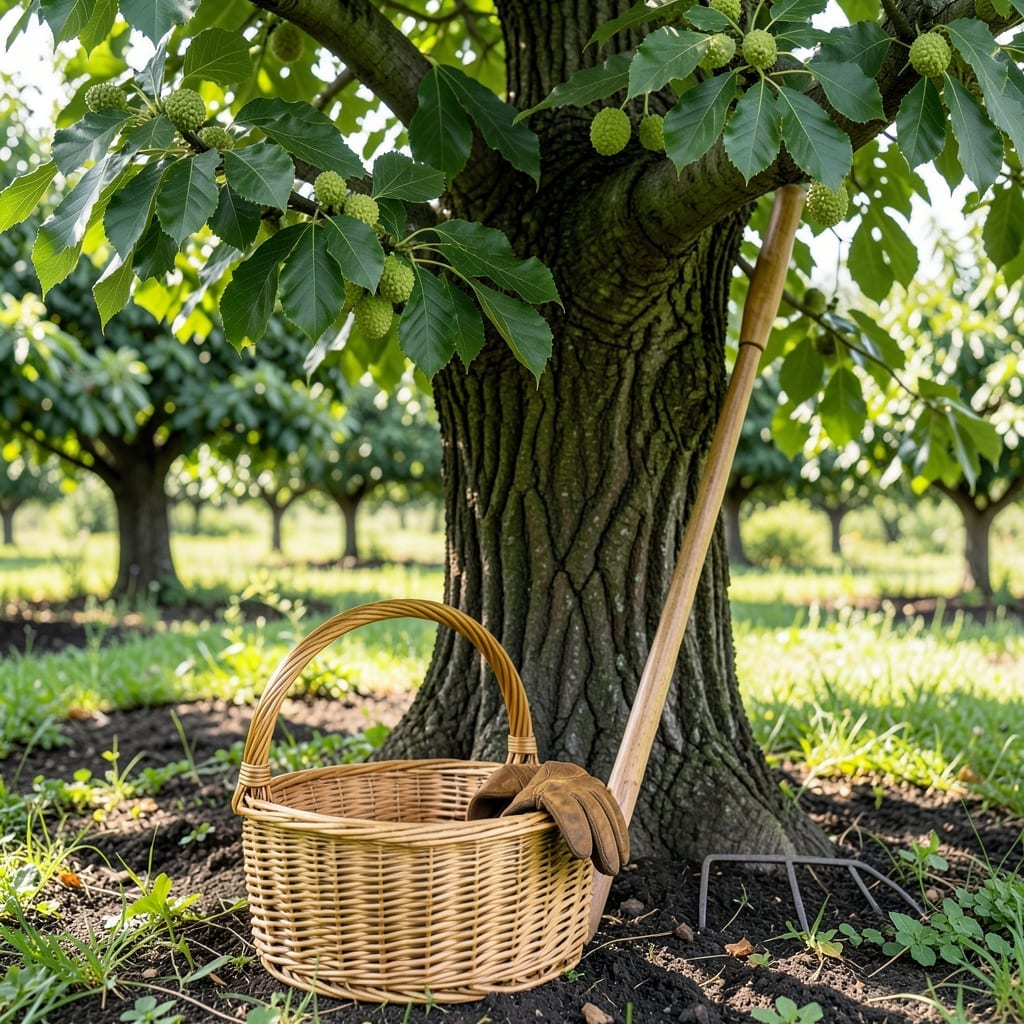
Black walnuts are mature with hard shells and rich, earthy flavor, while green walnuts are unripe with soft, edible husks and milder taste, used for pickling or extract.
The distinction comes down to their development stage and how that affects their use in the kitchen. I’ve found that black walnuts are ideal for baking or adding depth to dishes, thanks to their bold profile. Meanwhile, green walnuts shine in preserves or traditional recipes like nocino, where their tender texture and subtle flavor can be preserved. 🔥
💡 In This Article
Black walnuts start as green, unripe fruits with soft, fuzzy husks that encase a developing shell. Over 4-6 months, the husk darkens and hardens while the kernel inside matures. The transformation is driven by lignification—a process where plant cells strengthen and become woody, turning the shell from pliable to rock-hard. 🔥
The kernel itself changes dramatically during this period. Early in development, it’s soft, pale, and mild, with a higher moisture content of about 70-80%. As it ripens, the moisture drops to 3-5%, concentrating the natural oils and compounds that create that signature deep, earthy flavor.
The shell’s color shifts from light green to deep brown or black.
Harvest timing is everything. Green walnuts are picked in early summer when the husk can still be pierced with a thumbnail. Black walnuts are ready in late summer or early fall when they fall naturally from the tree.
This timing affects not just the texture but also the chemical composition—the tannins in green walnut husks are at their peak, making them ideal for dye or extract. ✨
The biological trigger for this change is the nut’s response to environmental stress. As days shorten and temperatures drop, the tree redirects energy from growth to seed development. This stress induces the production of juglone, a compound that gives black walnuts their distinctive bitterness and acts as a natural defense mechanism.
The result is a nut that’s not just harder but chemically more complex.
What’s fascinating is how this process mirrors other tree nuts. Like hickory or pecan, black walnuts undergo a similar maturation, but their higher tannin content and thicker shells make the transformation more pronounced. The green stage is fleeting—lasting only 2-3 weeks—which is why timing your harvest is critical for specific uses. 💫
Look for nuts that are still in their soft, fuzzy husks and can be easily pierced with a thumbnail. Harvest in early summer before the shell hardens. The husk should feel tender, not woody.
The ripening process concentrates natural oils and compounds like juglone, creating that deep, earthy taste. Green walnuts have higher moisture content, making their flavor milder and more subtle.
Process them immediately for pickling or preserves, as they spoil quickly. For short-term storage, keep them in the refrigerator for up to 3 days in a breathable container. Never freeze whole green walnuts.
Technically yes, but the flavor won’t be the same. Traditional nocino uses green walnuts for their mild taste and soft texture. Black walnuts’ strong flavor can overpower the delicate spices in the liqueur.