
Beautiful Plants For Your Interior
Beautiful Plants For Your Interior
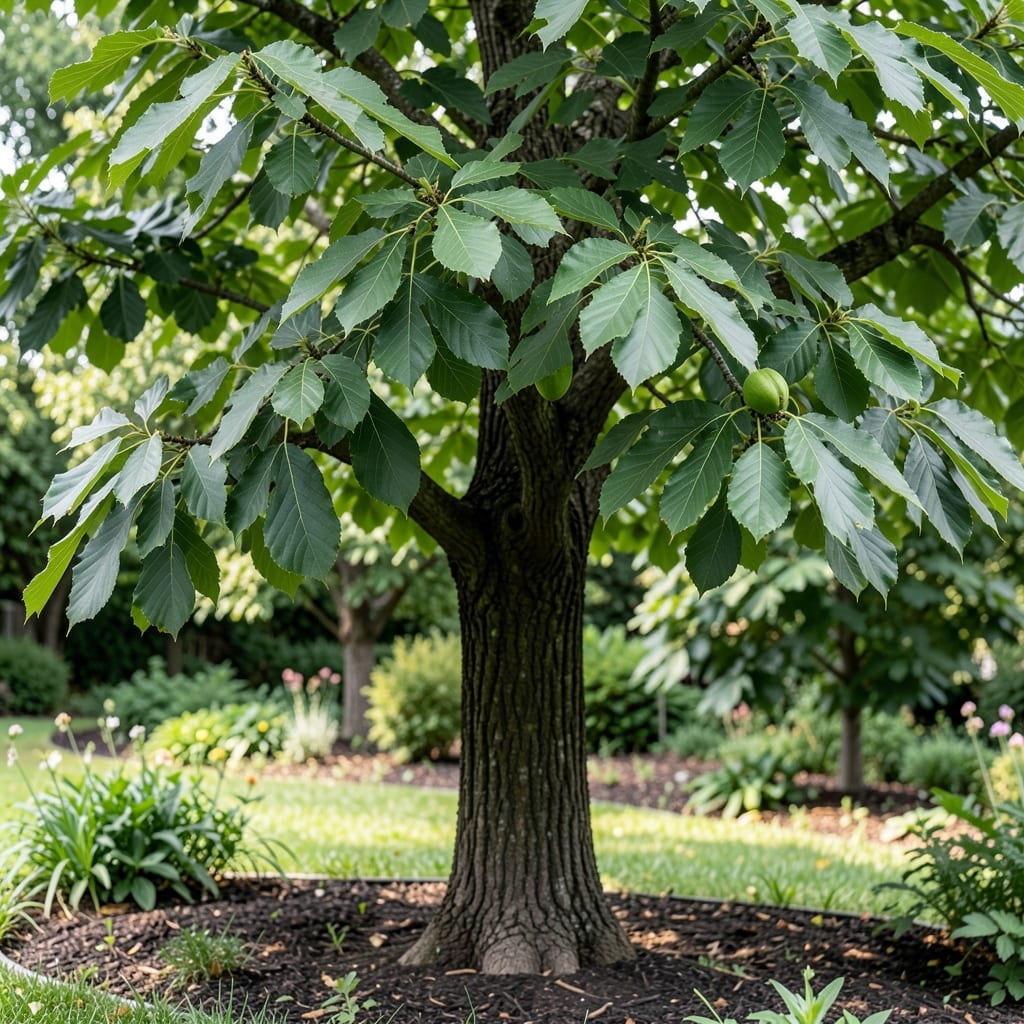
That first green hole in my black walnut tree stopped me in my tracks. I’d seen plenty of leaf spots and discoloration, but this was different—deep, unnatural, and spreading fast.
Turns out, it’s often a sign of bacterial leaf scorch or walnut anthracnose, both of which thrive in wet conditions. The good news? Catching it early makes all the difference in saving the tree.
With the right treatment—pruning affected branches, improving air circulation, and applying copper fungicide at the right time—you can stop the damage in its tracks.
This guide walks you through spotting the signs, confirming the issue, and taking action before it’s too late.
The “green hole” in black walnut trees, often appearing as a discolored, sunken lesion on the trunk or branches, stems from several interconnected factors. Below are the primary causes, explained in clear, actionable terms.
Fungi like Thyronectria canker and Botryosphaeria thrive in wet, stressed conditions. They enter through wounds (e.g., pruning cuts or bark damage) and disrupt the tree’s vascular system, leading to dieback and the characteristic greenish discoloration. Action: Prune during dry seasons, sterilize tools, and remove infected branches immediately.
Drought, extreme temperatures, or poor soil drainage weaken the tree’s defenses. Stress reduces sap flow, making it easier for pathogens to invade. Black walnuts are especially sensitive to waterlogged roots and nutrient deficiencies. Action: Mulch to retain moisture, improve drainage, and test soil pH (ideal: 6.0–7.0).
Boring insects (e.g., bark beetles) and sap-feeding pests (e.g., walnut husk flies) create entry points for fungi. Their activity also stresses the tree, exacerbating green hole formation. Action: Monitor for early signs (e.g., sawdust-like frass) and apply horticultural oil or insecticidal soap as needed.
Mechanical damage from lawnmowers, storms, or improper pruning exposes the tree’s inner tissues. Open wounds invite pathogens and pests. Action: Protect the trunk with guards, avoid overhead pruning, and seal large cuts with tree wound pruning sealant.
Tackling the green hole issue in black walnut trees starts with identifying the root cause and applying targeted solutions. Here’s a practical guide to address common problems:
Fix: Prune affected branches immediately to prevent spread. Use sterilized tools and dispose of infected material far from the tree. Apply a copper-based bactericide to the wounds and surrounding areas.
Prevention: 💡 Improve air circulation by thinning the canopy. Water at the base to avoid wetting the leaves, and avoid overhead irrigation.
Fix: Remove and destroy infected leaves and branches. Treat the tree with a fungicide like neem oil or a commercial product labeled for walnut trees. Reapply after rain.
Prevention: 🌧️ Keep the area around the tree clean and free of debris. Ensure proper drainage to reduce moisture buildup.
Fix: Introduce beneficial insects like ladybugs to control aphids and mites. For severe infestations, use insecticidal soap or horticultural oil, targeting the undersides of leaves.
Prevention: 🎯 Regularly inspect the tree for early signs of pests. Maintain tree health with balanced fertilization to reduce vulnerability.
Fix: Conduct a soil test to identify missing nutrients. Amend the soil with organic matter or apply a slow-release fertilizer tailored to walnut trees’ needs.
Prevention: ✨ Mulch around the base to retain moisture and gradually improve soil quality. Monitor leaf color and growth patterns for early signs of deficiency.
For all issues, consistency is key. Revisit the tree weekly after treatment to ensure the problem is resolving, and adjust your approach if needed.
Yes, with early intervention. Remove affected branches and apply copper fungicide for fungal issues. For pests, use horticultural oil as directed.
Sterilize pruning tools between cuts and dispose of infected material far from the tree. Improve air circulation by thinning dense foliage.
Treat during dry, warm periods. Apply fungicides in early spring or after leaf drop in fall for best results.
With proper care, most trees recover if the damage isn’t too extensive. Focus on improving overall tree health and monitoring regularly.