
Beautiful Plants For Your Interior
Beautiful Plants For Your Interior
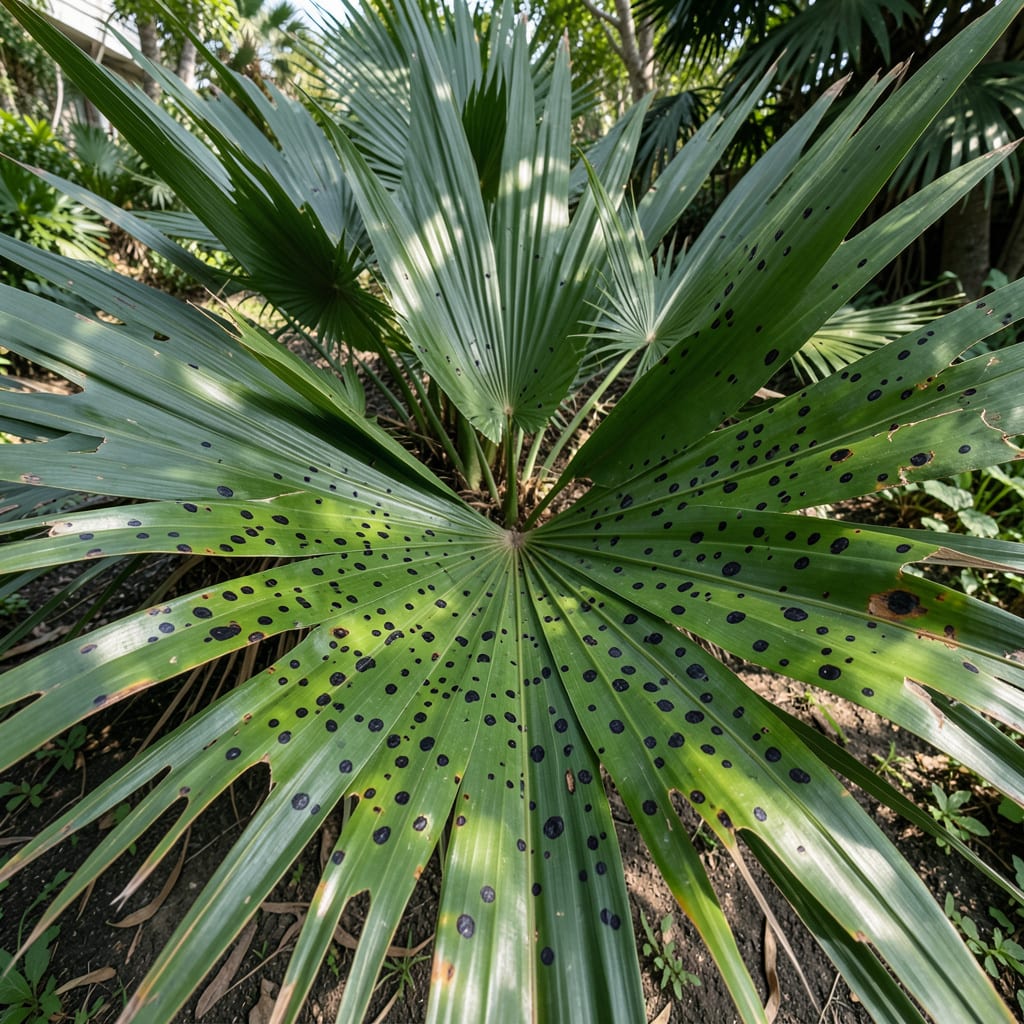
Those black spots on your palm tree leaves aren’t just unsightly—they’re a warning sign. I’ve seen healthy palms decline fast when these spots spread, but catching them early makes all the difference.
Most cases come down to fungal infections, poor drainage, or nutrient imbalances. The good news? Organic remedies often work better than harsh chemicals, and they won’t harm your soil or nearby plants.
With the right approach, you can stop the spread within 1-2 weeks and restore your palm’s health. The key is identifying the exact cause before treating it.
Works for indoor palms, backyard specimens, or potted plants. Here’s how to diagnose and fix it for good.
Black spots on palm leaves often signal underlying issues that disrupt the tree’s health. Below are the most common causes, explained with actionable insights to help you diagnose and address the problem.
Fungi like Pestalotiopsis or Graphiola thrive in warm, humid conditions, leading to dark, irregular spots. These pathogens spread via water splashes or contaminated tools. Solution: Improve airflow, avoid overhead watering, and apply copper-based fungicides preventatively.
Excess moisture suffocates roots and promotes fungal growth, manifesting as black or brown lesions. Palms prefer well-draining soil—soggy conditions stress the plant, making it vulnerable to disease. Solution: Adjust irrigation and amend soil with sand or perlite.
Scale insects, mealybugs, or spider mites pierce leaf tissues, creating entry points for secondary infections. Their honeydew residue also attracts sooty mold, which appears as black patches. Solution: Use neem oil or insecticidal soap to eliminate pests and wipe leaves clean.
Extreme temperatures, sudden cold snaps, or excessive salt buildup (from fertilizers or tap water) can cause necrotic spots. Palms are sensitive to chlorine and fluoride in water. Solution: Use filtered water and protect trees from temperature swings with mulch or frost cloth.
A lack of potassium or magnesium often triggers leaf discoloration, including black or purplish spots. These nutrients are vital for cellular health. Solution: Test soil and supplement with a palm-specific fertilizer rich in micronutrients.
Tackling black spots on palm trees starts with identifying the root cause. Below are targeted fixes for common issues, along with prevention tips to keep your palm thriving.
If the spots are brown or black with yellow halos, a fungal infection like Phyllosticta or Pestalotiopsis may be to blame. Prune infected fronds with sterilized shears to stop the spread. Apply a copper-based fungicide or neem oil every 7–10 days until the issue clears. Prevention tip: 💡 Space palms properly for airflow, and avoid overhead watering to reduce moisture on leaves.
Pests like scale, mealybugs, or spider mites can weaken palms, leading to sooty mold (black spots). Wipe leaves with a damp cloth to remove pests, then apply insecticidal soap or horticultural oil. For severe cases, use a systemic insecticide. Prevention tip: 🌡️ Inspect new plants before bringing them home, and spray leaves with water to deter pests.
Root rot from soggy soil can cause leaf discoloration. Check the soil—if it’s waterlogged, reduce watering and ensure pots have drainage holes. For in-ground palms, amend heavy clay soil with sand or compost. Prevention tip: ✨ Water only when the top 1–2 inches of soil are dry, and use a moisture meter for precision.
Black spots with yellowing may signal a lack of potassium, magnesium, or manganese. Use a palm-specific fertilizer rich in these nutrients, following label instructions. Prevention tip: 🎯 Test soil annually and adjust fertilizer blends to meet your palm’s needs.
Act quickly at the first sign of trouble, and your palm will reward you with lush, spot-free foliage! 🌴
Yes, if left untreated. They often indicate fungal infections or pest damage that can weaken the tree over 2-4 weeks. Early action prevents permanent damage.
A mild solution of 1 teaspoon baking soda per 1 quart water can help with fungal spots. Spray weekly for prevention, but severe cases need fungicide.
Excess moisture creates ideal conditions for fungal growth. Ensure proper drainage and avoid wetting leaves during watering to reduce risk.
Yes, but only if over 50% damaged. Use sterilized tools to prevent spreading pathogens to healthy fronds.
