
Beautiful Plants For Your Interior
Beautiful Plants For Your Interior
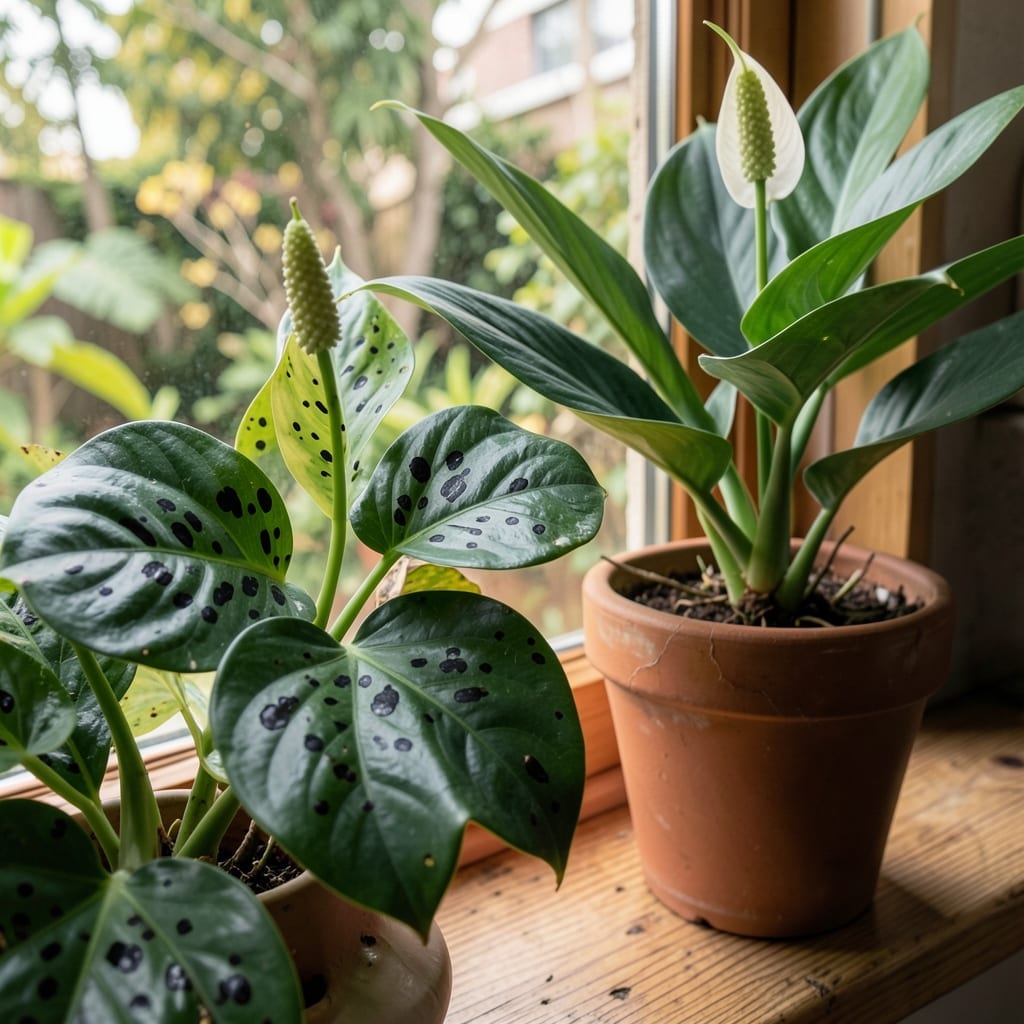
Those black spots on your plant leaves aren’t just ugly—they’re a distress signal. I’ve lost count of how many houseplants I’ve saved by catching these early, and the fix is usually simpler than you’d think.
Most cases trace back to excess moisture, whether from overwatering or poor drainage. The spots spread fast, but identifying the pattern helps you act before it’s too late. Fungal issues often start as small, irregular marks.
With the right adjustments—less water, better airflow, or a natural treatment—your plants bounce back within 2-3 weeks. The key is matching the solution to the specific cause, not just the symptom.
Works for everything from ferns to fiddle leaf figs. Here’s how to diagnose and treat it.
Black spots on your indoor plants are usually a sign of stress or disease. Here’s a breakdown of the most common causes, explained simply but grounded in science.
Fungi like Alternaria, Cercospora, or Colletotrichum thrive in damp, poorly ventilated environments. These pathogens produce dark, sunken lesions as they break down plant tissues. Overwatering or high humidity (above 60%) creates the perfect breeding ground. Action: Improve airflow and reduce moisture on leaves.
Excess water suffocates roots, leading to root rot. This stress weakens the plant, making it vulnerable to secondary infections that manifest as black spots. Soggy soil also encourages fungal spores to germinate. Action: Water only when the top inch of soil is dry, and ensure pots have drainage holes.
Sap-sucking pests like aphids, scale, or spider mites wound plant tissues, creating entry points for sooty mold—a black fungus that grows on their sticky honeydew secretions. Action: Wipe leaves with neem oil or insecticidal soap to remove pests and mold.
Sudden temperature drops, cold drafts, or excessive direct sunlight can cause cellular damage, appearing as black or brown spots. For example, Edema (water-soaked blisters) turns dark when cells burst under fluctuating humidity. Action: Maintain stable conditions (65–75°F, 40–50% humidity) and avoid cold windows.
Harsh fertilizers, pesticides, or even tap water with high salts/fluoride can scorch foliage, leaving dark, crispy patches. Action: Use filtered water and dilute fertilizers to half-strength.
Tackle those unsightly black spots on your indoor plants with these targeted solutions. Each cause has a clear fix—follow these steps to restore your plant’s health and prevent future issues.
If the spots are soft, mushy, or spreading quickly, a fungal infection is likely. Remove affected leaves immediately to stop the spread. Then, apply a copper-based fungicide or a DIY mix of 1 tsp baking soda + 1 quart water + a few drops of dish soap. Spray every 5–7 days until the spots disappear. Prevention tip: 💡 Improve airflow around plants and avoid overhead watering to keep foliage dry.
Soggy soil leads to root rot and black spots. Check the soil—if it’s waterlogged, let it dry out before watering again. Repot the plant in fresh, well-draining soil if the roots are mushy or black. Use pots with drainage holes and empty saucers after watering. Prevention tip: ✨ Water only when the top 1–2 inches of soil are dry.
Pests like spider mites or aphids can cause black spots from their feeding or sooty mold (a black fungus that grows on their honeydew). Wipe leaves with a damp cloth or spray with neem oil or insecticidal soap. Isolate the plant to prevent pests from spreading. Prevention tip: 🎯 Inspect new plants before bringing them indoors and clean leaves regularly.
Too much direct sunlight, low humidity, or temperature swings can stress plants, leading to black spots. Move your plant to a spot with bright, indirect light. Use a humidifier or pebble tray to boost humidity for tropical plants. Keep temperatures steady (65–75°F). Prevention tip: 🌡️ Rotate plants occasionally for even light exposure and mist leaves in dry climates.
Yes, excess moisture creates ideal conditions for fungal growth. Stop watering immediately and let the soil dry out to halt the spread.
Fungal spots often have a mushy texture and irregular edges. Pest damage typically appears as sticky residue or tiny webbing.
Existing spots won’t vanish, but new growth will be healthy. Remove severely affected leaves to prevent further spread.
Isolate the plant, remove damaged leaves, and apply neem oil or fungicide. Improve airflow and reduce watering for 1-2 weeks.