
Beautiful Plants For Your Interior
Beautiful Plants For Your Interior
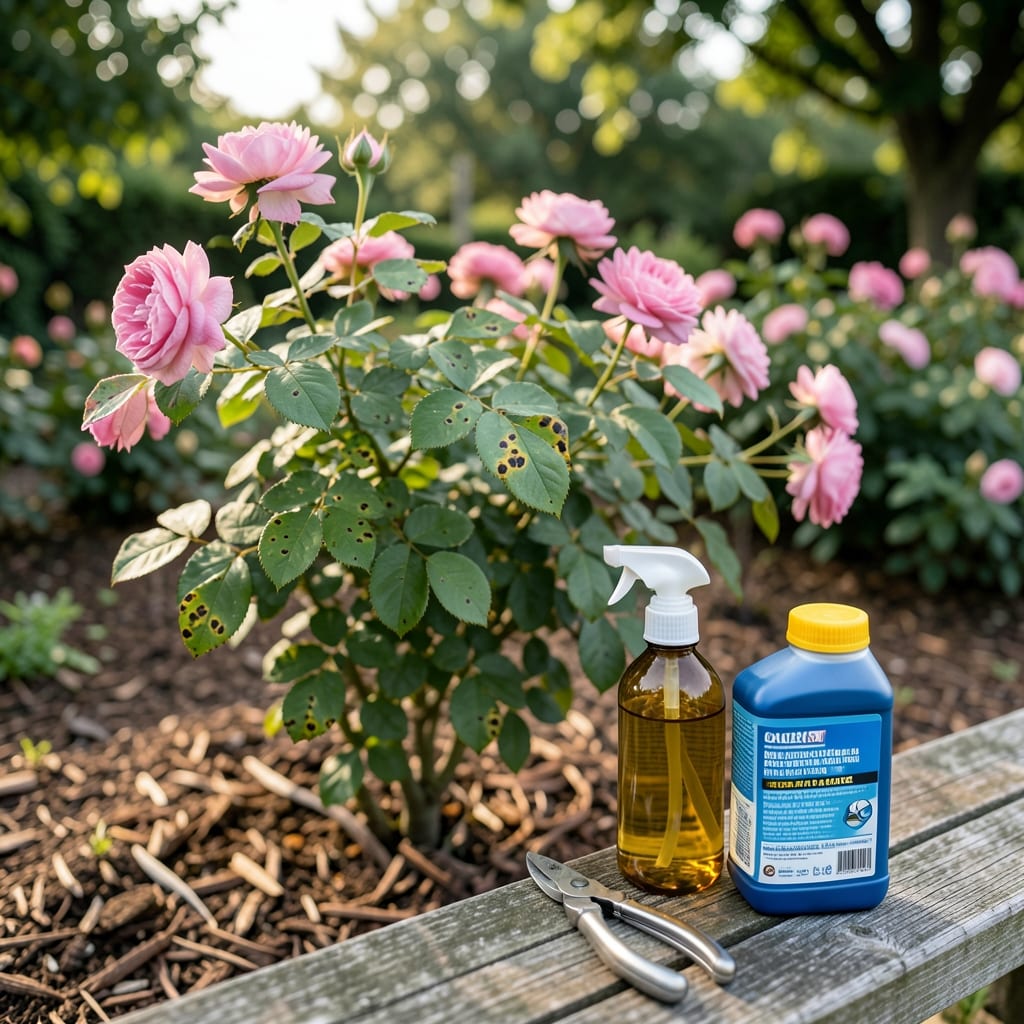
Those ugly black spots on your rose leaves aren’t just unsightly—they’re stealing your plant’s strength. I’ve battled this fungus for years, and the right treatment restores leaves to their vibrant green within weeks.
Most gardeners grab the strongest chemical at the first sign of trouble, but I’ve found natural fungicides work just as well without harming beneficial insects. The key is consistent application and removing infected leaves immediately.
You’ll see new growth emerge clean and healthy, and your roses will focus their energy on blooming instead of fighting disease. Prevention is simpler than you think—just a few habit changes keep it from returning.
Works for roses, other shrubs, and even some vegetables. Here’s the exact method I use every season.
Black spots on plants are often a sign of fungal infections, environmental stress, or poor cultural practices. Understanding the root causes helps you tackle the issue effectively.
Most black spots are caused by Diplocarpon rosae (black spot fungus) or similar pathogens. These fungi thrive in warm, humid conditions and spread via water splashes, infected debris, or contaminated tools. Spores germinate on wet foliage, penetrating plant tissues and creating dark, irregular lesions.
Overwatering, poor drainage, or overhead irrigation creates a perfect breeding ground for fungi. Waterlogged soil weakens roots, while wet leaves (especially in low-airflow areas) invite spore settlement. Even morning dew can prolong leaf wetness, accelerating infection.
Dense plantings or crowded garden beds restrict airflow, trapping humidity around foliage. This stagnant environment encourages fungal growth and slows leaf drying. Pruning for better ventilation or spacing plants properly can reduce risk.
Plants lacking potassium, calcium, or silicon develop weaker cell walls, making them more susceptible to fungal entry. A soil test can reveal imbalances—amend with organic matter or targeted fertilizers to bolster plant defenses.
Fungi survive on infected pruners, pots, or fallen leaves. Using unsterilized tools spreads spores between plants, while decaying debris in the soil harbors pathogens. Always disinfect tools with rubbing alcohol and remove diseased plant matter promptly.
Black spots on plants are usually a sign of fungal infection, but the good news is they’re treatable. Below are targeted fixes for common causes, along with prevention tips to keep your garden thriving. 🌱
Fungi thrive in stagnant, humid air. Thin out overcrowded plants to allow airflow. Space seedlings properly from the start, and prune dense foliage to let light and air reach all parts. For potted plants, move them to a breezier spot or use a small fan on low to keep air moving.
Prevention: Water plants early in the day so leaves dry quickly, and avoid overhead watering.
Soggy soil creates the perfect breeding ground for fungi. Let the top inch of soil dry out between waterings. Use a moisture meter to check soil dampness, or stick your finger in the dirt—if it feels dry, it’s time to water. Ensure pots have drainage holes to prevent waterlogging.
Prevention: Choose well-draining soil mixes and avoid letting plants sit in saucers of water.
Remove affected leaves immediately to stop the spread. Then, spray plants with a natural fungicide like neem oil, baking soda solution (1 tsp baking soda + 1 quart water + a drop of dish soap), or diluted hydrogen peroxide (1 tbsp per gallon of water). Apply in the early morning or late evening to avoid leaf burn.
Prevention: Clean up fallen leaves and debris around plants, as they can harbor spores. Rotate crops yearly to disrupt fungal cycles.
If humidity is the culprit, use a dehumidifier in greenhouses or indoor growing areas. For outdoor plants, water at the base rather than the leaves, and avoid misting. Mulch with straw or wood chips to keep soil moisture consistent while reducing leaf wetness.
Prevention: Group plants with similar water needs together to avoid overwatering some while underwatering others.
💡 Pro Tip: Regularly inspect plants for early signs of black spots—catching them early makes treatment far easier!
Apply natural fungicides like neem oil every 7-10 days during active growth. For severe infections, increase to every 5 days until symptoms improve. Always spray in cool temperatures to avoid leaf burn.
Yes, but dilute it properly—mix 1 tablespoon white vinegar with 1 gallon of water. Spot-test first, as undiluted vinegar can damage foliage. It’s best for mild cases or prevention.
Spots often recur due to lingering spores in soil or on tools. Always remove infected leaves, disinfect pruners, and avoid overhead watering. Consistency in treatment and prevention is key.