
Beautiful Plants For Your Interior
Beautiful Plants For Your Interior
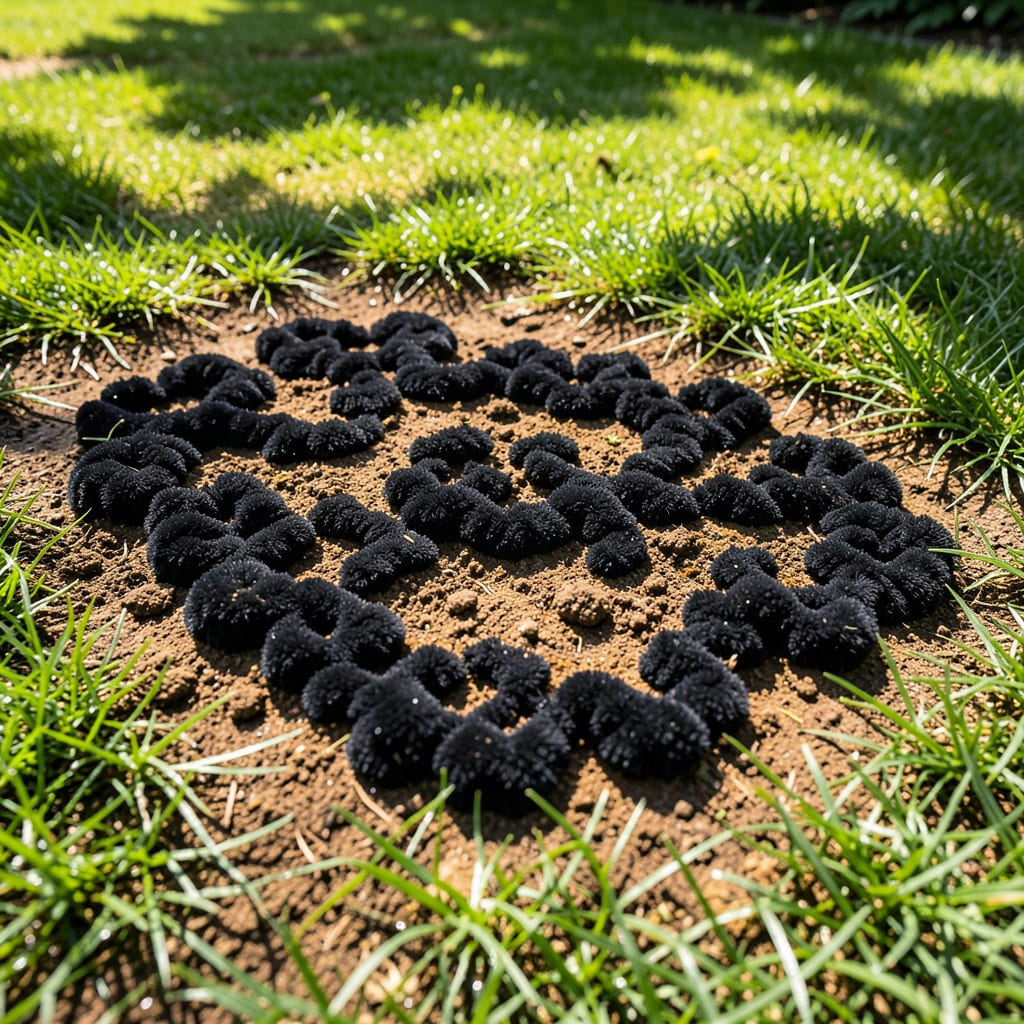
Black spots on your lawn aren’t just ugly—they’re a sign your soil needs help. I’ve dealt with this exact issue, and the solution is simpler than you’d think. Most people panic and reach for harsh chemicals, but there’s a better way.
This isn’t about killing your grass to fix the problem. The key is understanding why the mold appears in the first place—usually too much moisture, poor drainage, or organic buildup. Once you address the root cause, the mold disappears for good.
You’ll see improvement within 1-2 weeks using natural methods that actually strengthen your lawn. The grass stays green, the soil stays healthy, and you avoid creating bigger problems down the line.
Works for any lawn size, from small patches to full yards. Here’s how to tackle it the right way.
Black mold thrives in lawn soil due to a few key environmental and maintenance factors. Understanding these causes can help you prevent its growth and keep your lawn healthy.
Overwatering or poor drainage creates a damp environment where black mold spores flourish. Lawns with clay-heavy soil or low-lying areas are especially prone to waterlogging, which encourages fungal growth. Action: Ensure proper drainage and adjust watering schedules to allow soil to dry between sessions.
Decomposing leaves, grass clippings, and thatch provide a rich food source for mold. When organic matter accumulates faster than it breaks down, it creates a breeding ground for spores. Action: Regularly rake debris and aerate the lawn to improve airflow and decomposition.
Black mold spores activate in temperatures between 70–90°F (21–32°C) with high humidity. Late summer and early fall, when moisture lingers and warmth persists, are prime times for outbreaks. Action: Monitor weather conditions and reduce evening watering to limit overnight dampness.
Dense grass or compacted soil restricts airflow, trapping moisture and heat at the soil surface. This stagnant environment accelerates mold growth. Action: Thin out thick turf, aerate compacted areas, and avoid over-fertilizing, which can promote excessive thatch.
Tackling black mold on your lawn soil doesn’t have to be a daunting task. With the right approach, you can restore your lawn’s health without harming the grass. Here’s how to address the most common causes and prevent future outbreaks:
If excess moisture is the culprit, cut back on watering. Lawns typically need 1–1.5 inches of water per week, including rainfall. Water deeply but infrequently—early in the morning—to allow the soil to dry out during the day. Consider installing a rain gauge to track moisture levels accurately.
Thatch and leaf litter trap moisture and create a breeding ground for mold. Rake up debris regularly, and aerate compacted soil to improve drainage. For severe thatch buildup (over 0.5 inches), use a dethatching rake or rent a power dethatcher. Pro tip: 💡 Aerate in early spring or fall for best results.
If your lawn stays soggy, amend the soil with organic matter like compost to enhance drainage. For low-lying areas, consider installing a French drain or regrading the soil to prevent water pooling. Test drainage by digging a small hole, filling it with water, and seeing how long it takes to drain—ideally, it should disappear within a few hours.
For existing mold, treat affected areas with a natural fungicide like neem oil or a baking soda solution (1 tablespoon baking soda + 1 gallon of water + a few drops of dish soap). Spray in the morning to avoid sunburning the grass. Prevention tip: ✨ Avoid high-nitrogen fertilizers, which can encourage fungal growth.
Trim overhanging branches and thin out dense shrubs to allow more sunlight and airflow. If your lawn is heavily shaded, consider planting shade-tolerant grass varieties or replacing some areas with ground cover. Better airflow = faster drying = less mold!
Most black mold in soil is harmless, but some types can cause mild skin irritation. Keep pets and kids off treated areas until the soil dries completely. When in doubt, wear gloves while handling affected patches.
With proper treatment, you should see improvement in 1-2 weeks. Full recovery depends on addressing the root cause—moisture or debris buildup. Consistent lawn care prevents it from returning.
White vinegar can work, but dilute it (1 part vinegar to 4 parts water) to avoid harming grass. Test on a small area first. For large patches, neem oil or baking soda solutions are gentler options.
It can if conditions are right. Prevent spread by removing debris, improving drainage, and avoiding overwatering. Healthy soil with good airflow naturally resists mold growth.
